
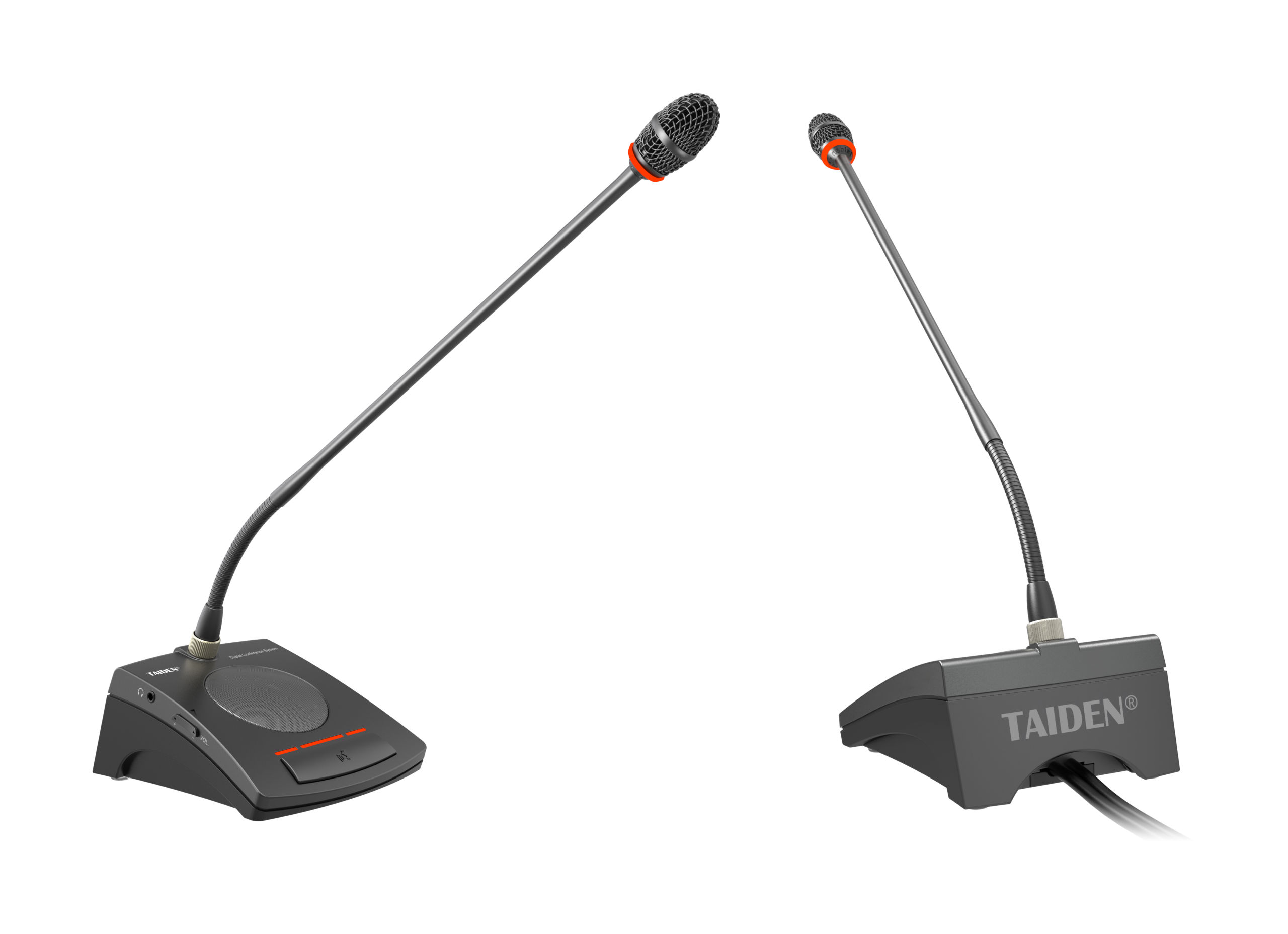
Introduction
Clear sound decides whether your meeting lands or drifts. A conference room speaker and microphone system is the bridge between voices and outcomes, and when it fails, momentum dies. Many teams begin with entry-level conference equipment because it’s fast to buy and simple to unbox. Yet studies and field reports suggest up to a fifth of meeting time vanishes to “Can you repeat that?” and “You’re cutting out,” especially in hybrid calls. The culprits are often basic issues—poor gain structure, high latency, and weak acoustic echo cancellation (AEC)—that stack up. So here’s the question: if the room looks fine, why does it still sound hard to follow?

Picture a weekly status call: ten people on-site, eight remote, and two important stakeholders riding the clock. On paper, a compact kit with a single soundbar and tabletop mics should be enough. In practice, uneven pickup, room reverberation, and a busy RF spectrum make voices thin and brittle. DSP can only do so much when the signal is noisy at the source. Look, it’s simpler than you think: the system is only as good as the pathway from mouth to transcript. Let’s map where the cracks form—and how to fix them before your next deadline.
Where Entry-Level Kits Struggle (and Why It Matters)
Why do basic kits fall short?
Entry-level gear promises coverage, but physics keeps the receipts. Tabletop capsules pick up taps, paper rustle, and chair scrapes before they catch the person two seats away. When a room has hard walls and a low ceiling, reflections smear consonants. AEC fights back, but with weak microphones and simple DSP, it runs out of headroom fast. Then someone raises the volume to compensate, and feedback suppression clamps down on the very voices you need. — funny how that works, right?
Wiring is another quiet tax. Daisy-chained USB extenders, PoE injectors acting like power converters, and long analog runs introduce hiss and ground loops. Gain staging turns into a guessing game. Without a beamforming array or proper auto-mix, the loudest person wins, not the clearest idea. Add RF noise from phones and wireless dongles, and your safety margin shrinks. The hidden pain point is not the device count; it’s the control over signal flow. Look, it’s simpler than you think: tune the room first, then the mics, then the speakers—every time. Most “plug-and-play” kits skip that order and leave you with uneven intelligibility and meeting fatigue.
Side-by-Side: Old Fixes vs. Smarter Audio Principles
What’s Next
Traditional setups chase symptoms. You add one more mic, boost the volume, and hope DSP can clean it later. Smarter systems flip the logic. They move intelligence to the edge—microphones and soundbars with onboard DSP, faster AEC, and adaptive beamforming that tracks talkers in real time. Auto-mixers gate unused channels to cut room noise. Networked audio (Dante/AVB) keeps latency predictable, while QoS on your switch prevents dropouts. The result: clearer speech at lower volume, even in glass-heavy rooms. If you’re exploring a wireless conference room microphone and speaker system, look for coordinated RF scanning and dynamic channel allocation so mics don’t fight with laptops and phones.
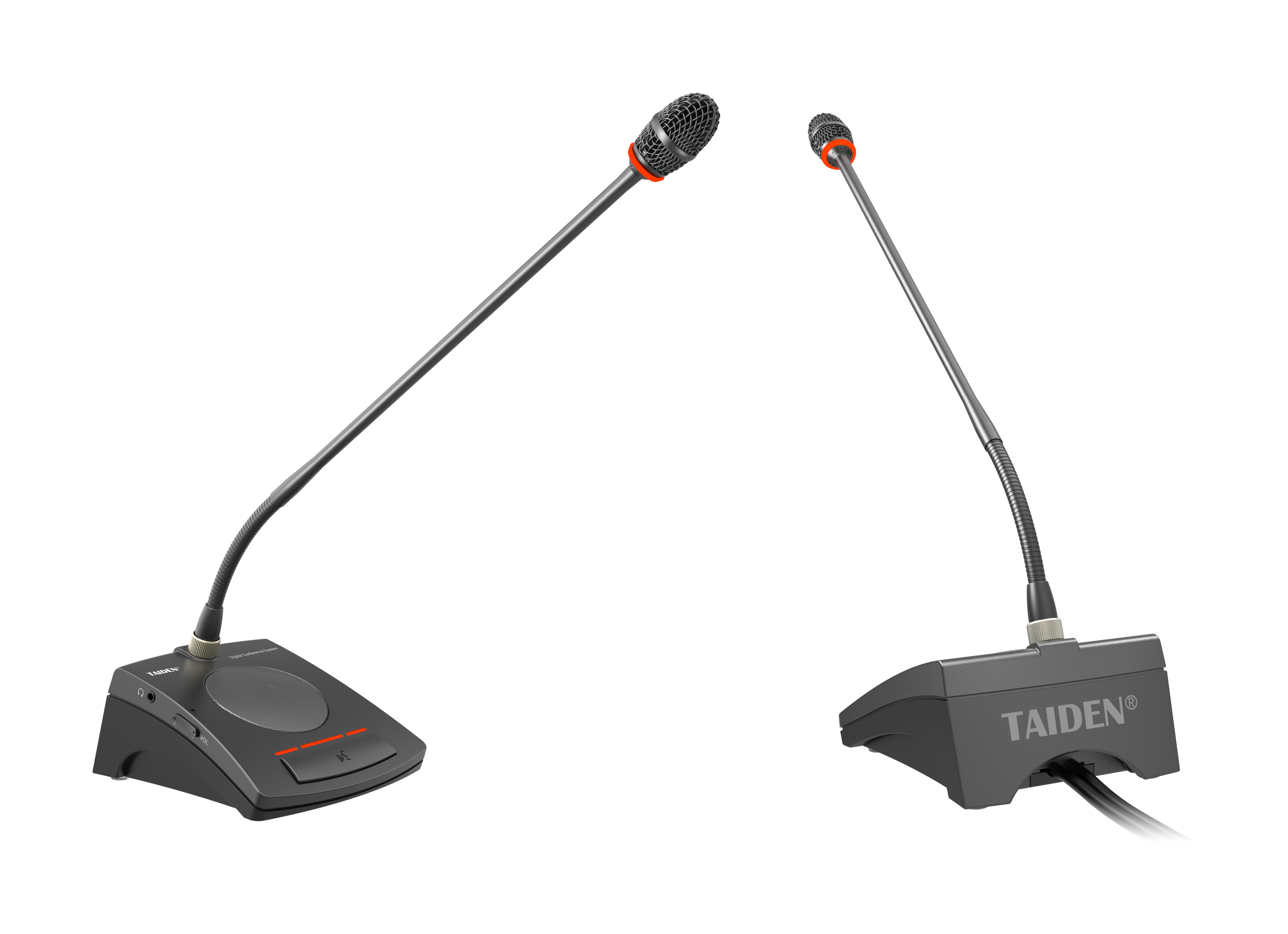
From a comparative view, the new baseline is resilience. Systems should self-calibrate levels, monitor STI (speech transmission index), and surface simple warnings when coverage dips. They should also simplify power and control—PoE for fewer bricks, and web UIs instead of mystery buttons. You still start with room treatment and mic placement—some truths don’t change—but the platform now adapts as people move, devices join, and echo paths shift (meetings are alive, not static). In short, we move from fix-and-hope to measure-and-hold: continuous optimization without a tech on standby.
Choosing the right path comes down to three metrics. First, intelligibility: target consistent STI across the table and the back row. Second, end-to-end latency: keep it low enough that remote talkers never step on each other. Third, stability under load: verify auto-mix behavior, RF robustness, and recovery after a device drop—because real rooms have surprises. When these are in place, you stop repeating and start deciding. For deeper benchmarks and system design references, explore brands with proven deployments, including TAIDEN.