
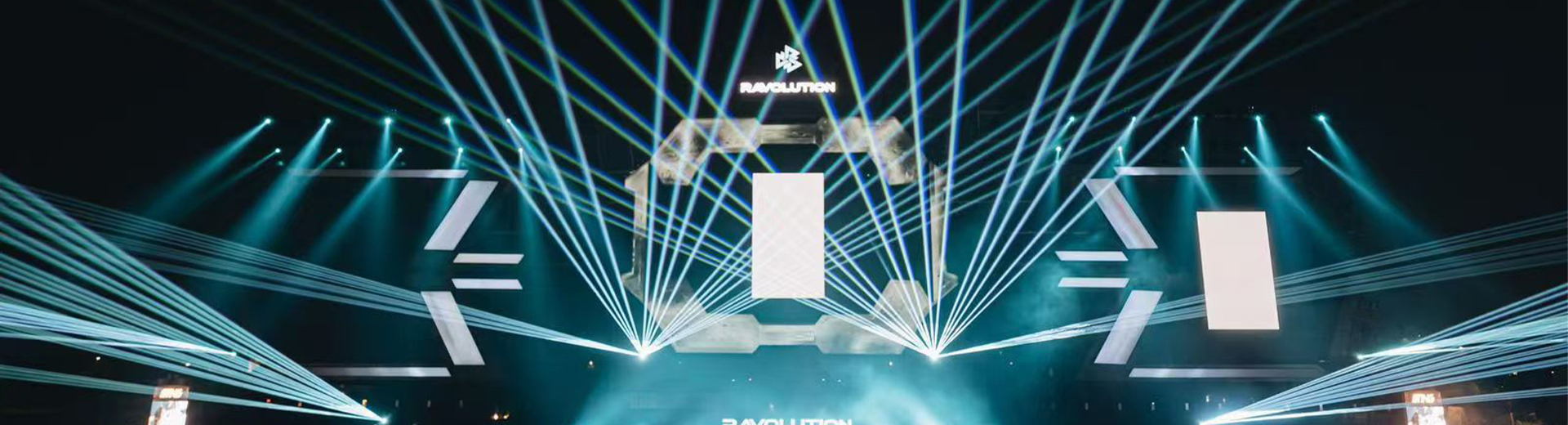
An Opening Scene, a Surge of Demand, and a Simple Question
The clock is ticking down at a packed New Year concert in Pune. The stage manager calls for festival laser lights as the crowd swells and the DJ cues the drop. Recent event reports show double‑digit growth in laser rentals across metro India, with planners citing beam effects as the “make-or-break” moment for night shows. Yet many teams still scramble with last-minute reroutes, sweaty cable runs, and fog density guesses—only to get a beam map that looks flat. Why do some rigs deliver clean geometry and others wash out under haze?
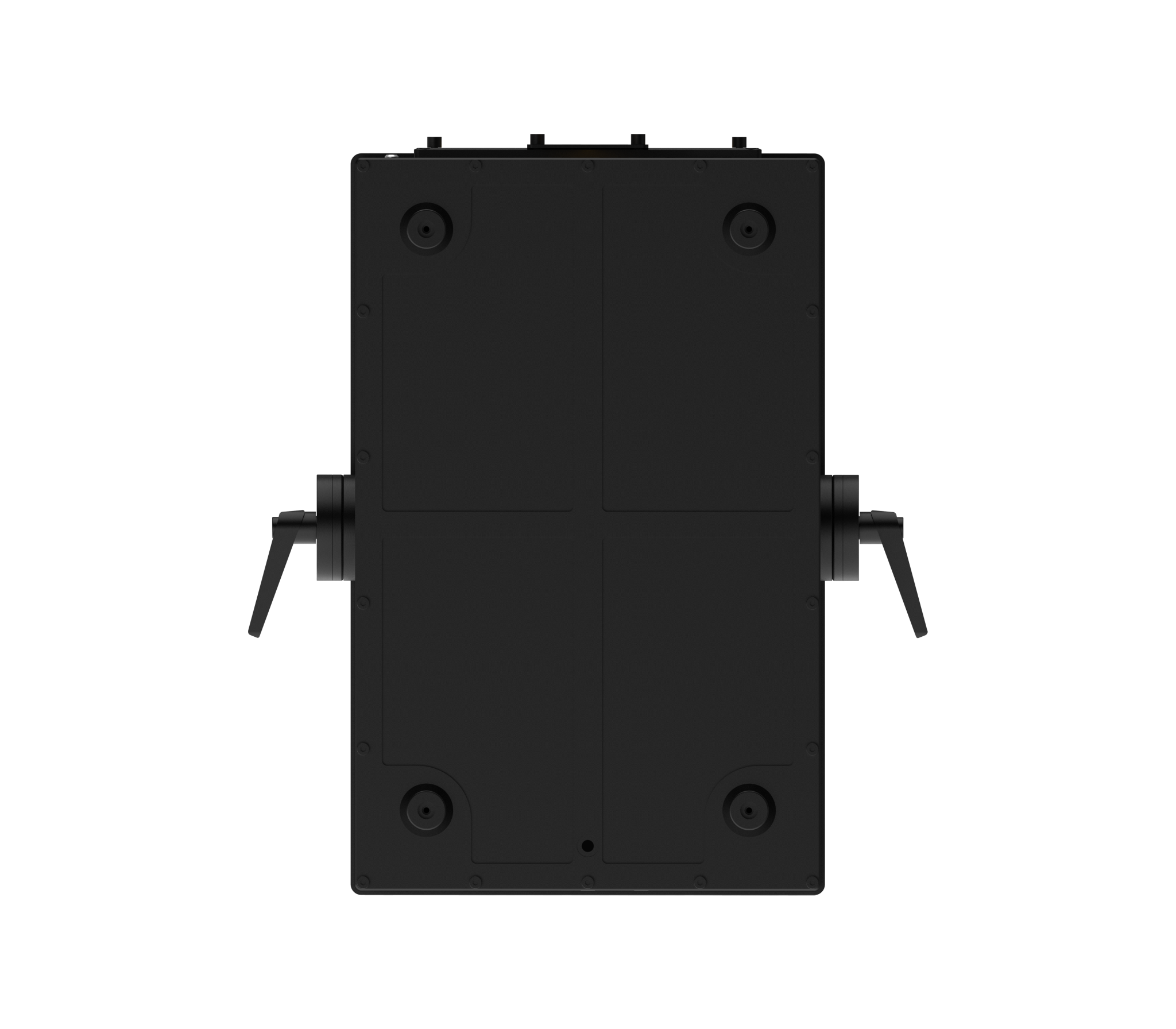
Here is the rub (mind you): gear lists look similar on paper, but actual deployment exposes gaps in optics, control, and power stability. The question, therefore, is not “lasers or no lasers,” but which systems stay consistent when crowds, climate, and show timing get messy. Let us step past the buzz and compare what truly shifts outcomes in the field—then chart what is coming next.
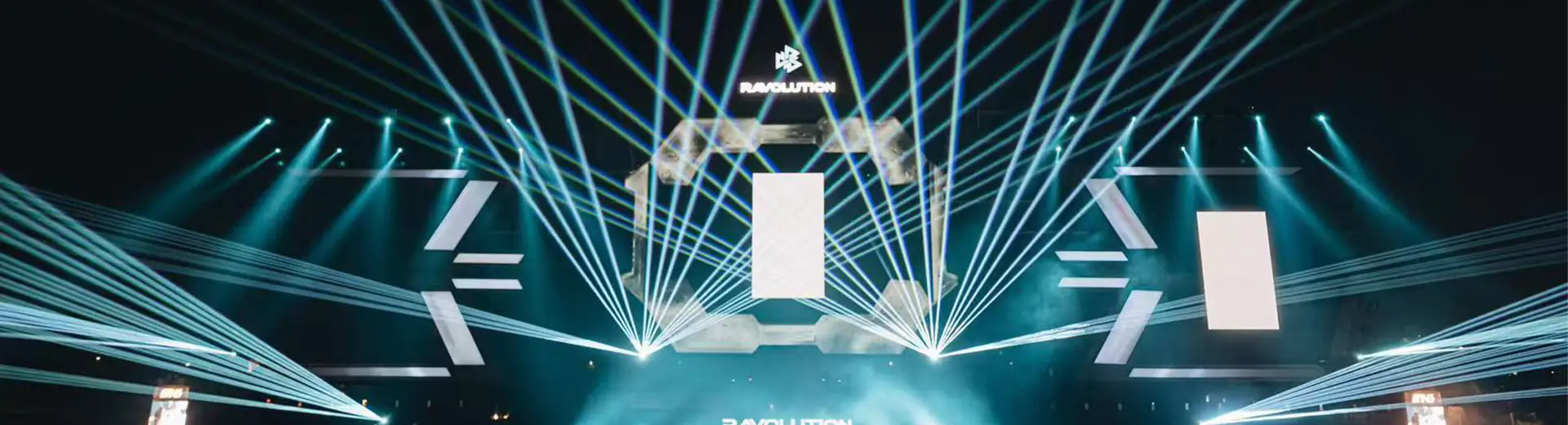
The Hidden Frictions Behind the Glow
Why do premium rigs still fail?
In practice, the weak links are quite ordinary. A festive laser light projector can look powerful on spec sheets, but missteps show up during setup: DMX512 addressing clashes, beam divergence widening in humid air, and power converters tripping under load when multiple fixtures start together. Even a top unit can stutter if galvanometer scanners are pushed beyond safe scan rates, causing flicker or distorted shapes. Safety custodians ask for IEC 60825 compliance and hard interlocks; crews juggle that with tight changeovers. Look, it’s simpler than you think: the pain is less about “more watts” and more about stable optics, sane control paths, and predictable thermal behaviour.
Then come real-world constraints—monsoon damp, crowded truss lines, and variable haze density. Lower IP ratings invite condensation that nudges mirrors out of alignment; duty cycle dips under heat; and standalone modes may fight your show’s timecode. Operators compensate with longer rehearsals, which eat into budgets. Ironically, a brighter projector with poor beam quality can look worse than a moderate unit with sharp beam geometry—funny how that works, right? In short, hidden friction hides in integration: power sequencing, repeatable presets, and clean signal routing, not just headline output.
Principles Over Hype: A Forward Look at Field-Proof Lasers
What’s Next
The next wave is not only brighter; it is smarter and harder-wearing. Sealed IP65 housings and conformal-coated boards resist dust and drizzle, while adaptive thermal control protects output without sudden throttling. Onboard processors act like tiny edge computing nodes, stabilising patterns when the DMX stream hiccups. Variable beam shaping plus responsive scan limits keep graphics crisp at realistic haze levels. When you see a spec line for scan speed in kpps, pair it with real optical performance: beam divergence in mrad and how it holds under heat. This is where modern waterproof outdoor decorative laser lights shift the equation—less babysitting, more repeatable looks, across longer shows.
For teams planning the season, choose by principle, not promise. First, optical integrity: consistent divergence, stable galvanometer scanners, and controllable brightness curves. Second, reliability: IP rating appropriate to venue, robust power converters with soft start, and clear safety interlocks. Third, workflow: responsive control (DMX/Art‑Net/OSC), usable onboard UI, and preset memory that survives quick turnarounds. These metrics translate to fewer support calls, faster setup, and cleaner cues under pressure. The lesson so far? Tame the small variables, and the big looks follow. And when you shortlist vendors, keep an eye on engineering depth and field service culture; people make systems work as much as parts do. For more on build quality and design thinking in this space, see Showven Laser.