
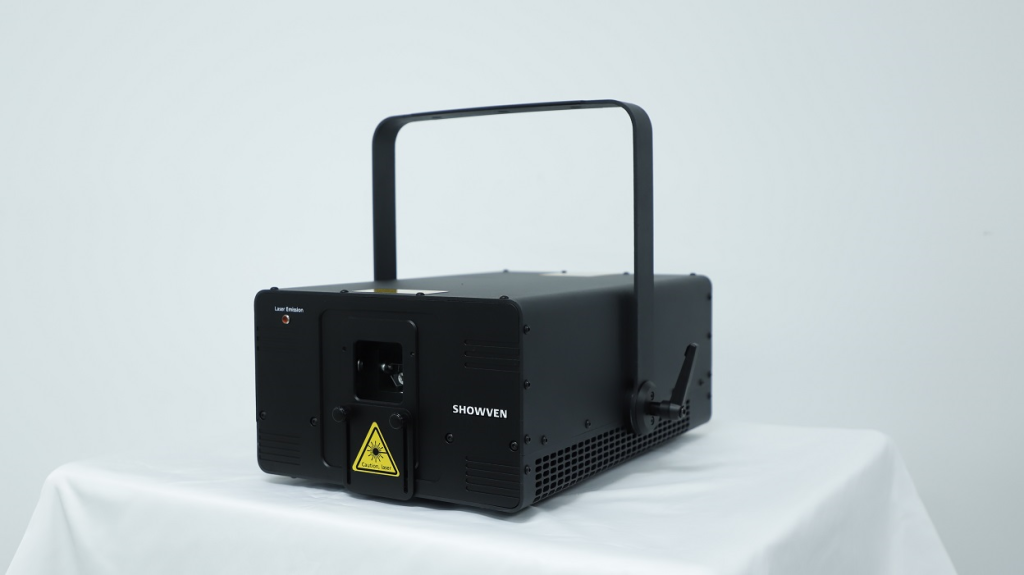
Intro: A Night in the Park, A Lesson in Light
I remember a city park show where the crowd swelled after sunset, and the headliner hit a long drum break. Festival laser lights cut the fog like a blade in the second verse, but a strange thing happened—people in the back waved like they could not see a thing. We had 12,000 people, wind gusts at 18 mph, and power draw flirting with the breaker limit. Lumen charts said we were fine; lux at 30 meters said no; the throw distance ate the beam, and ambient light washed the mid-field. So which number do you trust, frè m? Is it wattage, beam divergence, haze density, or the vibe of the crowd (wi, the human metric)? The real life doesn’t match the spec sheet, and that’s where crews get burned. We need a way to judge clarity, coverage, and control in motion—under noise, wind, and phones recording from everywhere. Let’s break it down and leave no blind spot behind. Move with me to the next section, nou prale.
Hidden Snags with Event Lasers: The Layer You Don’t See
Where do setups fail?
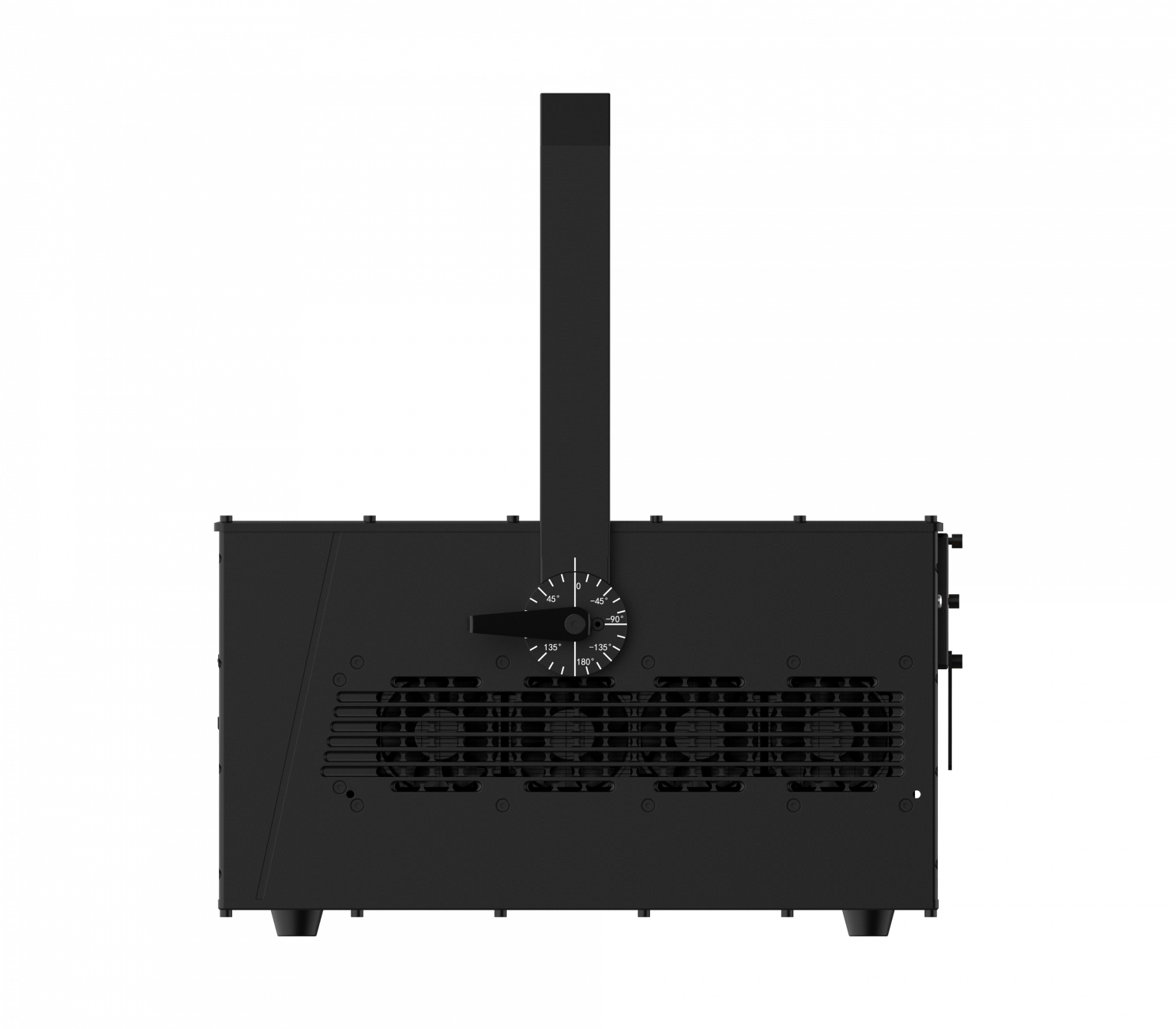
When crews ask about a laser light for events, they often think in lumens and color only. But the deeper pain points live in the control chain and the venue physics. DMX latency stacks when nodes hop across long runs; scanning galvanometers drift when the rig warms under load; and beam divergence multiplies in open air, melting sharp looks into soft spills. Look, it’s simpler than you think: small timing delays up front become big visual lag down field—funny how that works, right? Add a fog machine that’s not tuned to airflow and your mid-stage becomes a haze wall. Then power converters share circuits with audio amps, and hello, noise. People blame the fixture, but the bottleneck sits in the pipeline.
Traditional “more units, more bright” fixes miss these choke points. They ignore edge cases like uneven riser height, wind shear over a lawn, and the way phones auto-expose and flatten beams for half the audience. Safety interlocks and scan-fail protection must be tight, yes, but the show still needs precision. Without stable power converters, tight DMX routing, and smart zoning, you chase glitches all night. The lesson from Part 1: crowd reality beats lab truth. So map sightlines first, lock beam tables, and test at full throw. When you do, the rig behaves, even when the bass drops and the fog rolls back.
Next-Gen Paths: Comparing What’s Coming vs. What You Have
What’s Next
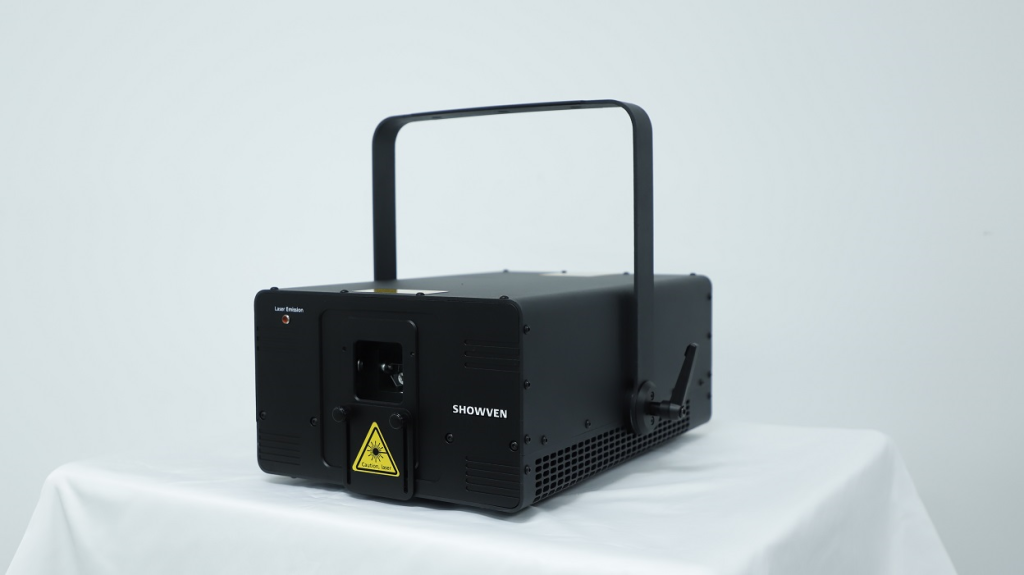
Now, flip to a forward view. New control stacks push pre-rendered frames closer to fixtures using edge computing nodes, so DMX or Art-Net jitter shrinks. Firmware refines scanning curves to keep shapes crisp at distance, and adaptive power management balances thermal load so output doesn’t sag mid-set. Compare that to old rigs: same wattage, but less usable reach. Add optics with tighter beam divergence and IP-rated chassis that shrug off drizzle, and your uptime climbs. When you see “laser light waterproof” you’re not just buying a shell; you’re buying consistent output when weather flips in five minutes—funny how that works, right? And yes, better optical alignment plus smarter haze distribution means fewer dead zones across the crowd bowl.
From Part 2 we learned the pain lives in the chain, not only the head. So pick with intent. Advisory close: First, verify beam integrity at your real throw distance, not just rated power—measure mid-field clarity under ambient light. Second, test control stability end-to-end (signal path, refresh rate, failover), and log latency spikes. Third, check environmental resilience: IP rating, thermal design, and how the unit manages power under load and rain. These three metrics give you shows that feel clean, look bold, and stay safe. Keep the tone steady, keep the knowledge flowing, and keep the crowd seeing the same story from front rail to back fence. For teams that want to dig deeper into build quality and control logic, see Showven Laser.