
Arrival at Dusk: When Weather Meets Light
I stepped onto the field as the sky went from gold to slate, and the first raindrops tapped the mix desk. Festival laser lights were already tracing lines above the crowd, soft and bright. Several audits in outdoor events show that up to one in three shows wrestle with moisture-related dimming or control hiccups under wet skies—numbers vary, but the struggle is real. So here’s the question: are we planning for weather, or just hoping it plays nice?
This isn’t only about bright beams. It’s about reliability, thermal management, and clean power when conditions go sideways. The old way uses makeshift covers and towels—yes, really—while crew juggles DMX chains and power converters in the mud. That’s messy. And it hides a deeper cost: lost cues, jittery galvanometer scanners, and stressed PSUs. If the night turns windy, your risk goes up. If it turns wet, your show does too. (We’ve all been there.) Let’s dig into what actually keeps the show running—and why it matters next.
Beyond the Tarp: The Real Gaps in Traditional Rigs
Where do older rigs let you down?
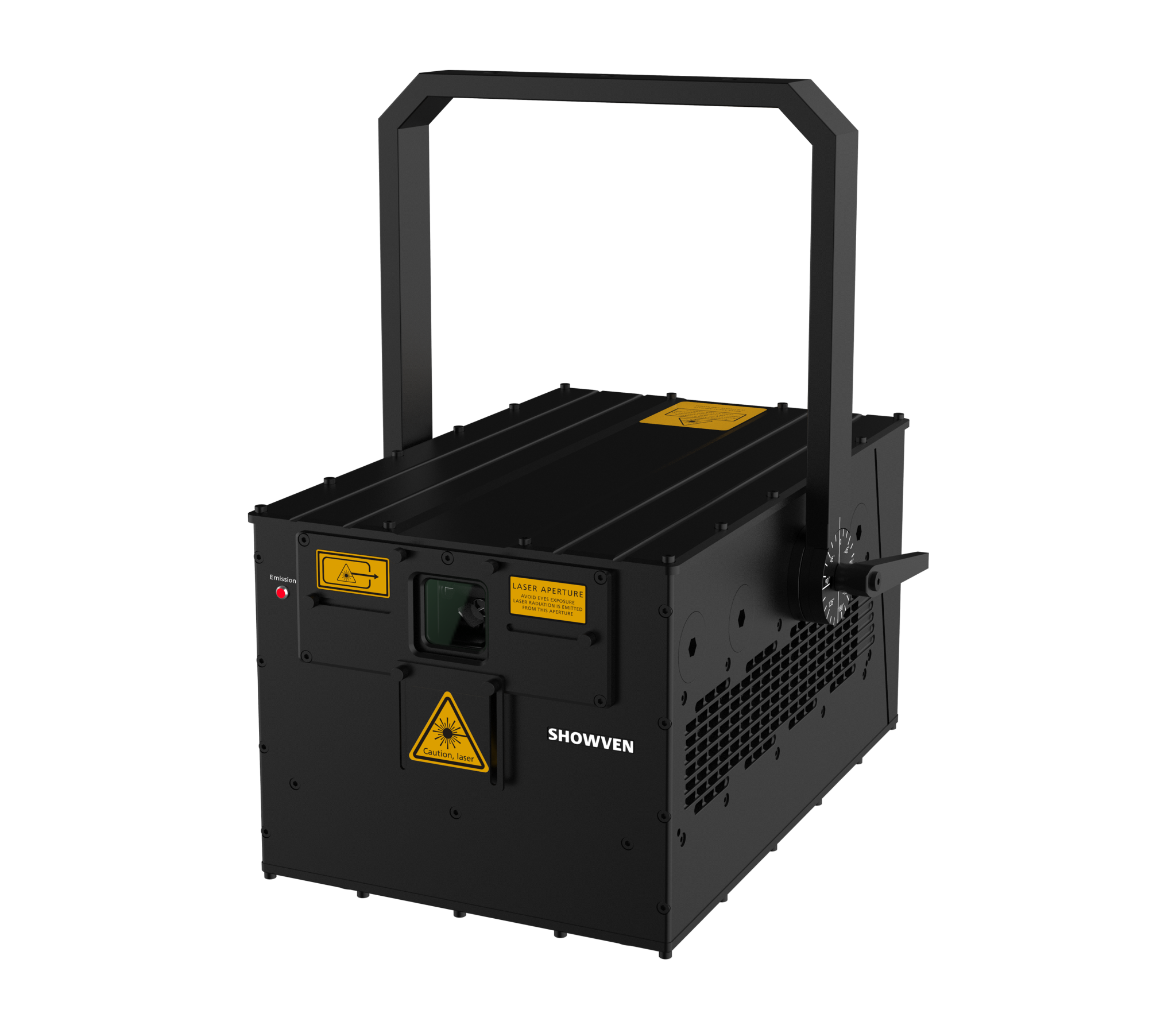
A modern waterproof laser light projector is built for the rain first, not last. That is a shift. Legacy fixtures often rely on improvised housings or plastic sleeves. Those traps increase heat and cause thermal throttling—beams fade, scanners chatter. When humidity creeps in, optics haze, and beam divergence grows. You also see dirty power hit sensitive drivers; cheap power converters add ripple that throws laser diodes off spec. With an IP65 enclosure, sealed cable glands, and coated PCBs, the failure points drop. Look, it’s simpler than you think: keep water out, keep heat flowing, keep power clean.
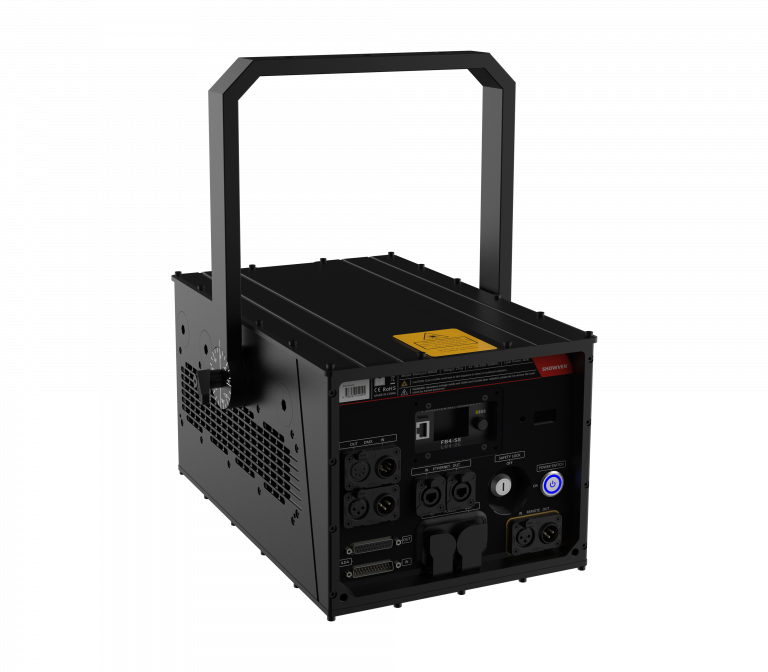
Control is another weak spot. Daisy-chained DMX with no failover means one wet connector can mute a whole line. Edge computing nodes near the truss can buffer cues, but older setups rarely use them. Meanwhile, fans pull mist right into vents. Once moisture reaches the galvanometer block, you get drift and noisy movement. A true outdoor design uses pressure equalization valves, smart airflow paths, and watchdog circuits. That way, diagnostics flag a fault before the audience sees it. It’s not magic. It’s good sealing, measured airflow, and predictable electronics—done on purpose.
Principles That Stick When the Weather Turns
What’s Next
The next wave takes those fixes and builds a system around them. Start with sealed optics and active cooling that routes heat without inhaling rain. Add PID-based fan curves tied to diode temperature, not just ambient. Then layer a surge-tolerant PSU with power factor correction—so brownouts don’t smear your cues. Pair that with hybrid control: DMX plus networked backup, with packet checks and timecode locking. If you need a quick spec to anchor on, look for an IP65+ rating and a chassis that drains. And yes, the phrase you care about is “laser light waterproof” because that signals the sealing, not just a marketing sticker—funny how that works, right?
From a comparative lens, rugged projectors reduce crew work and risk. You spend less on rain covers, and you stop babying warm gear under plastic. Optics stay clean longer; thermal stress drops; color stability holds late into the night. The net is simple: fewer cancellations, tighter cues, calmer ops. Different vendors reach this end by different paths—some use gel-filled connectors, some rely on conformal coatings, others push airflow through heat exchangers—yet the goal aligns: keep weather out while keeping cooling efficient. Your job is to weigh those paths against the field you actually run.
Three practical metrics can guide the choice: 1) Sealing and durability: IP rating, gasket design, and connector strategy under splash and spray; 2) Thermal behavior: diode temp range, fan curves, and whether performance holds after a soaked reset; 3) Control resilience: DMX/network redundancy, watchdogs, and onboard diagnostics that isolate a wet node without killing a chain. Pick against your venue’s worst day, not its best. That mindset keeps the crowd in the moment and your crew off the panic button—with room to experiment and still sleep later. For more engineering-led options and specs, see Showven Laser.