
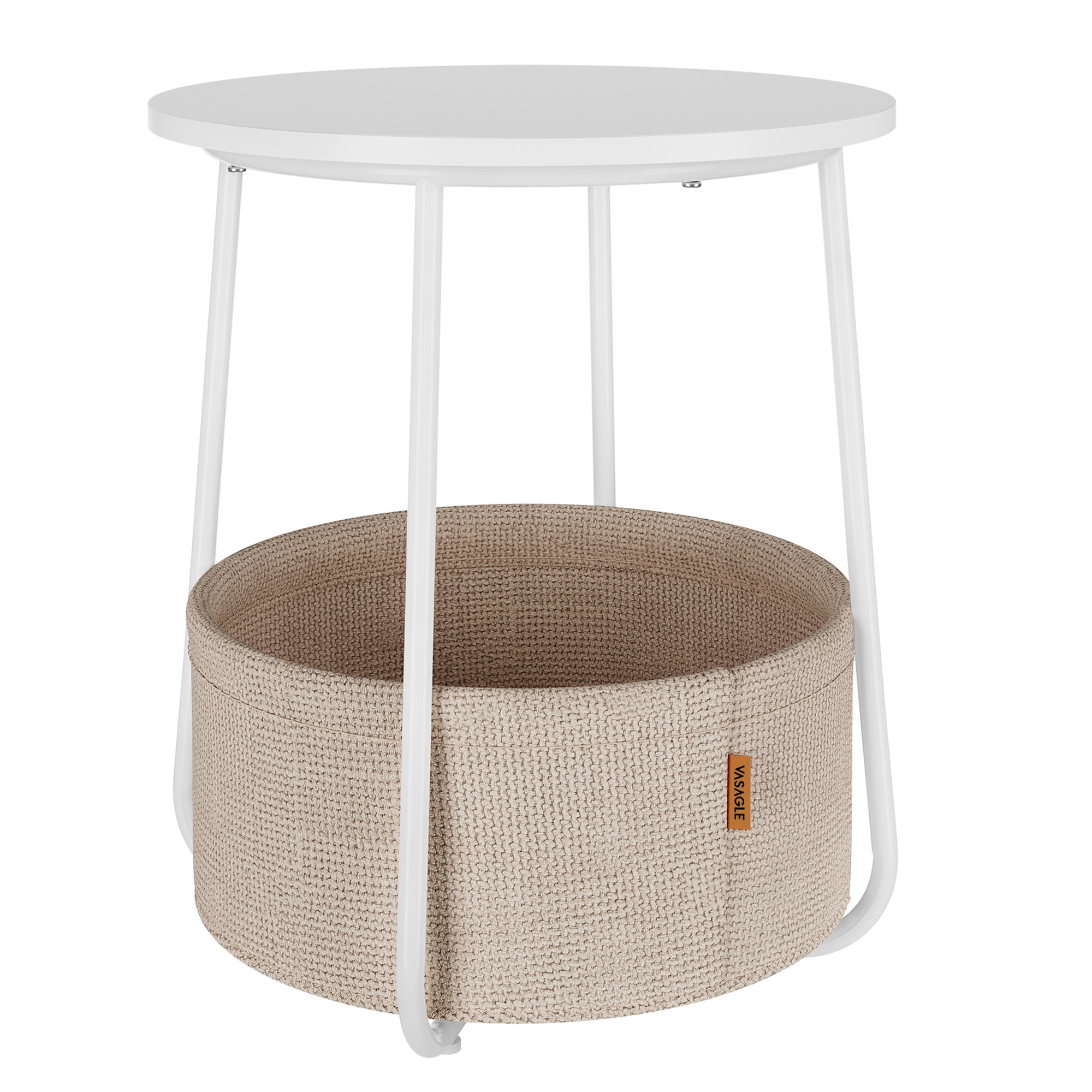
Setting the Stage: Precision Meets Daily Use
Define the core: stability and surface integrity drive whether a table feels “premium.” End table manufacturers face this every day. Picture a hotel lobby at check-in. Two guests lean on a slim table to sign a form; it sways 2–3 mm at the edge. Not much, yet the brain flags it as cheap. Data from retail returns often ties 40–60% of complaints to wobble, nicked corners, or finish scuffs within the first month. A china end table manufacturer knows that minor variance in fastener torque or leg squareness causes big swings in the field. Add real constraints: thin MDF substrate, tight SKU counts, and price pressure. So, the question: how do we design and build end tables that look light, act strong, and survive mixed loads?
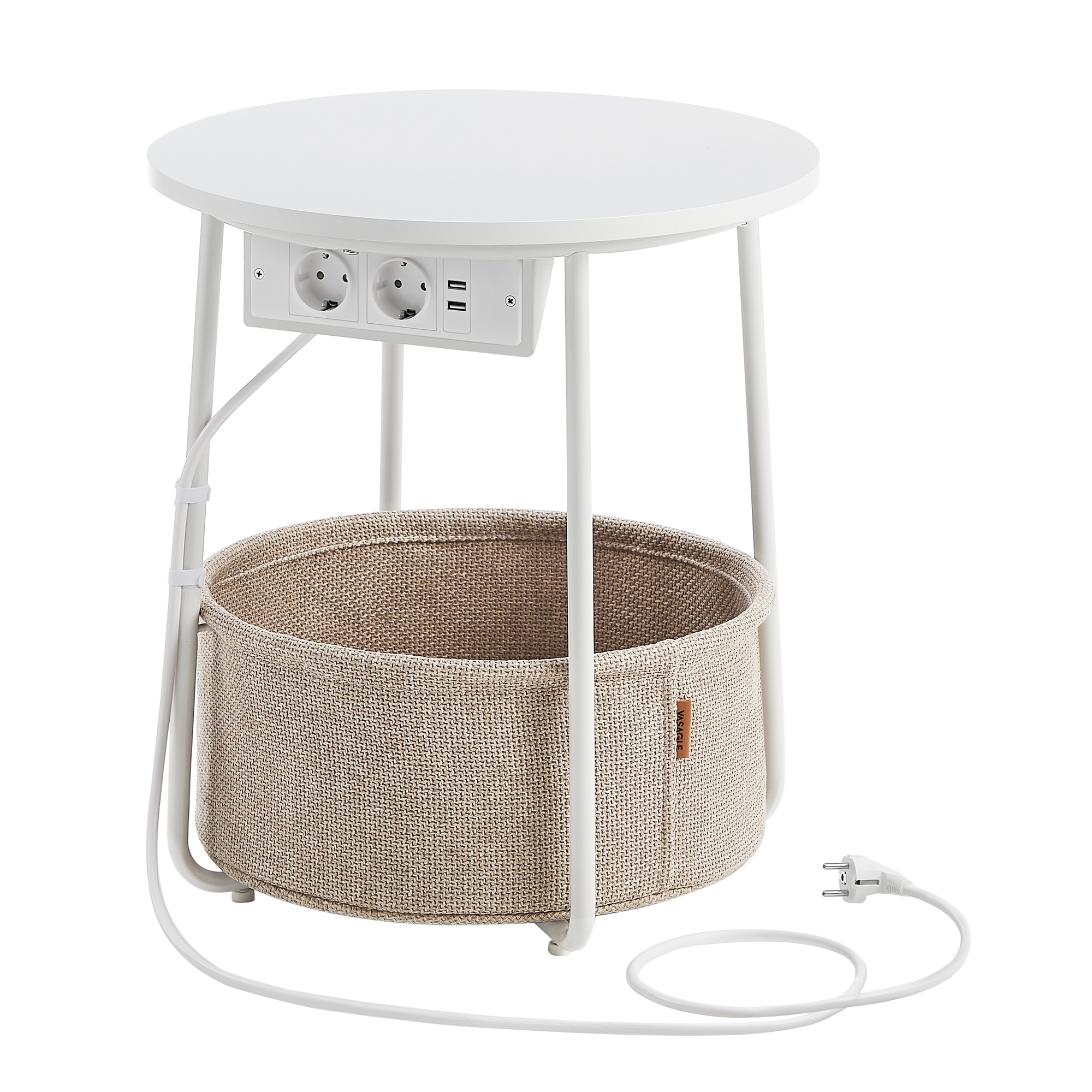
Here’s the scenario engineering teams face: a lamp adds a constant 1.5 kg load, while a kid bumps the edge with a 15 N force. That means joints must hold fast, finishes must resist micro-scratches, and feet must self-level on uneven floors. CNC routing can get tight repeatability, but only if jigs, drill guides, and QA torque checks line up. Powder coating resists abrasion but can crack at corners without proper radius or cure. And the clock ticks—fast. The longer a line changeover takes, the more variance slips in. We’ll break down where the real pain hides, then compare what actually fixes it—without inflating cost (or lead time). Onward.
The Overlooked Friction: Small Gaps, Big Headaches
Why do tiny variances trigger outsized returns?
Direct truth: most problems show up in hands, not in CAD. Hidden pain points start where the buyer interacts. Micro-rock on a hard floor comes from a 1–2 mm foot height mismatch. A beautiful veneer chips because the edge radius is too sharp for daily wipe-downs. A drawer sticks after a dry winter, because the slide clearance ignored humidity swing. And cable routing? If the grommet is off-center, the lamp cord pulls, the table twists, and the complaint reads “unstable.” Look, it’s simpler than you think—people test furniture with micro-stresses all day long.
Traditional fixes miss the mark. Extra screws add weight but not stiffness if joint geometry is poor. Thicker tops hide vibration but spike shipping cost. Heavier bases can mask imbalance, yet fail when rubber feet compress unevenly—funny how that works, right? Better is smarter: specify foot adjusters with 4-point contact, set fastener torque ranges, and validate with quick load testing. Bring in two or three targeted checks: edge banding adhesion, leg squareness within 0.5°, and slide alignment via a simple feeler gauge. Use the right terms in the shop, too: FEA spot-checks for bracket thickness, jig repeatability audits, and UV-cure hardness tests. These hit the real frictions buyers never see but always feel.
Comparative Lens: From Old Lines to Smart, Stable Builds
What’s Next
Let’s shift to a forward-looking view, grounded in new technology principles. A modern line starts with adaptive fixtures: instead of fixed jigs, adjustable locators clamp legs and aprons so every unit references from a single datum. That cuts cumulative error. Add camera-based QC that checks hole position to within 0.2 mm before assembly. Then feed data back into CAM nesting so grain direction, drill order, and toolpath reduce tear-out on corners. Compare this with the old method—manual guides and eyeballing squareness—and you get fewer reworks and a tighter feel on the floor. A top-tier end table manufacturer can also mix coatings: UV-cured sealer for hardness and a powder topcoat on steel frames for abrasion. The combo resists ring stains and bag scuffs. Small tech, big impact.
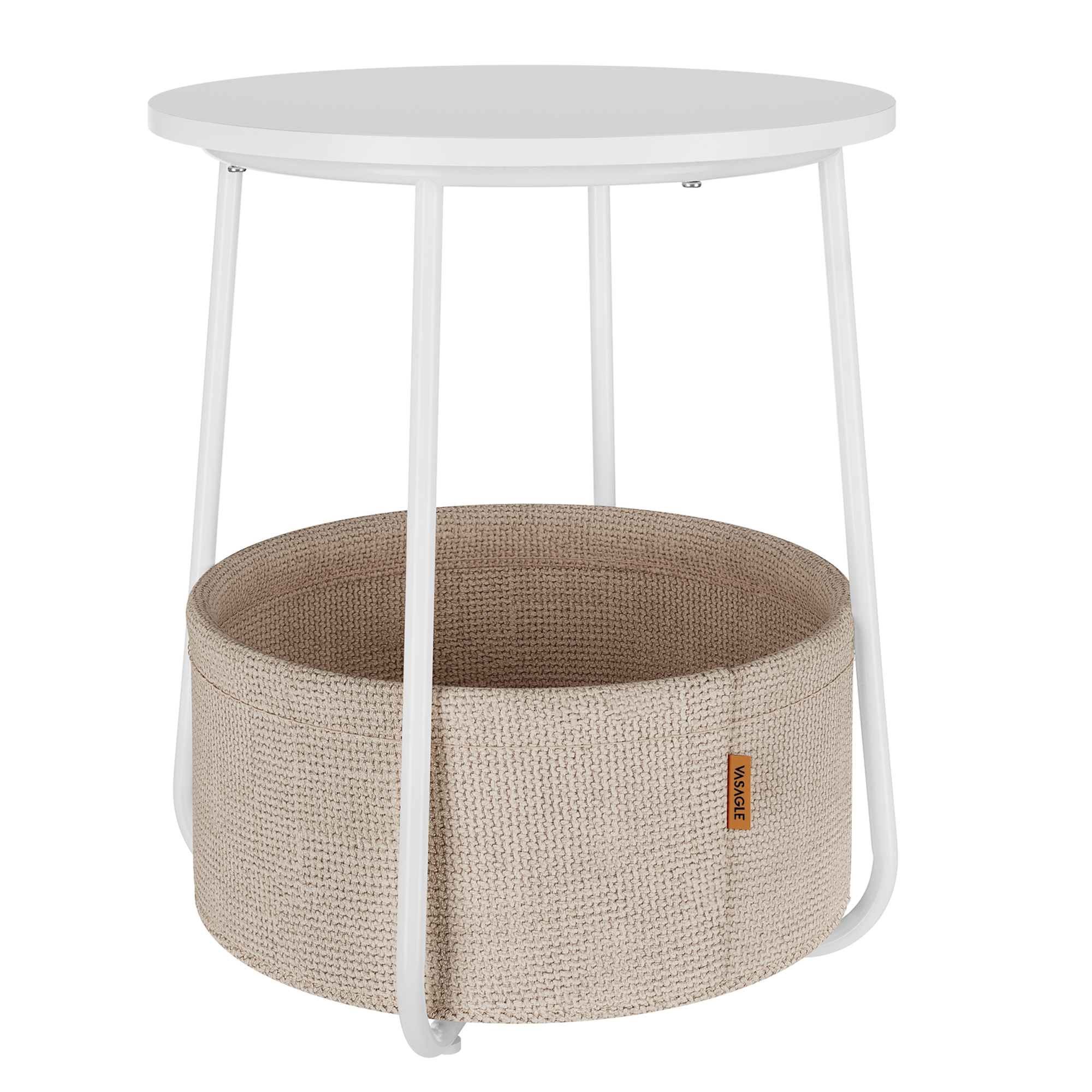
Add digital threads. QR codes link each table to a build record: torque ranges used, foot adjuster type, and finish batch. If a batch drifts, you trace it fast. Edge cases? Run finite element analysis on a slim steel bracket to avoid buzz vibration under a 20 N edge load. Use CNC drilling with dowel pins to lock repeatability. Even logistics matters: foam density matched to leg geometry prevents bent hardware during transit. This is not hype; it’s simple engineering discipline plus real-time checks. Here’s how to judge solutions in practice: First, stiffness per kilogram—measure edge deflection at 20 N over mass; better designs deliver lower mm/kg. Second, assembly repeatability—record leg squareness variance across 30 units; target ≤0.5°. Third, surface durability—500-cycle wipe test with mild solvent and a 1 kg load on the rag; finish should show no gloss loss or fiber raise. Keep the tools simple, the signals clear, and the loop closed—and returns fall while the feel improves. That’s the quiet win.
In the end, we learned that buyers sense structure through tiny cues, and that stable, quiet tables come from tolerances, not paint. The best results come from adaptive fixtures, real torque control, and coatings that match use. Measure what hands feel, compare designs by stiff-for-weight, and trace every batch back to process. Build calm into the product, and the room feels calm too. SONGMICS HOME B2B