
Introduction
Have you ever watched a sleek craft glide past a marina and wondered why some go so quietly while others cough and sputter? An electric motor sits at the heart of that difference, and it does more than spin a propeller—it defines range, noise, and control. In recent seasons, interest in electric propulsion has grown noticeably; many small fleets report double-digit growth in retrofit requests and demand for better battery management. So what really determines whether a boat performs well on the water—cost, batteries, or the motor itself? (I ask this because I’ve seen owners fix the wrong thing.)
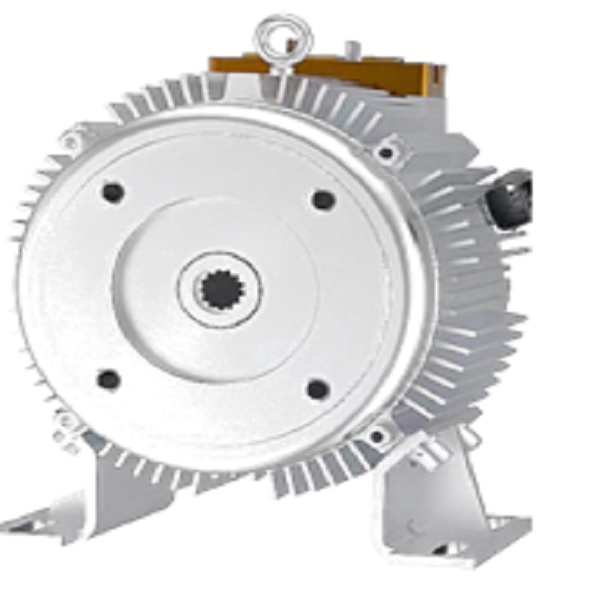
I speak from hands-on work with designers and skippers: motor choice changes how a boat behaves in chop, how it handles heavy loads, and how often you stop to recharge. Simple metrics like kiloWatts and RPMs tell part of the story, but torque curves, efficiency maps, and controller compatibility matter more than most people expect. I will be direct: if you ignore these layers, you are solving the wrong problem. This article will move from what commonly fails to what to watch for next—so let’s get into the detail.
Traditional Solution Flaws and Hidden User Pain Points
When owners shift to electric power, many start by picking common, off-the-shelf units like generic outboards or repurposed industrial motors. But with electric boat motors the mismatch shows fast: wrong torque at low RPM, overheating during long runs, and controllers that cannot handle burst loads. I’ve seen plenty of well-meaning installs where the motor and the power converter fight each other. The result? Reduced range and frustrated users. Look, it’s simpler than you think—fit matters.
What causes these issues?
First, traditional pairings ignore torque profile. Many motors deliver peak power at high RPM, but marine work needs strong low-end torque for acceleration and load. Second, cooling and duty cycle are often underrated. Boats run long, steady loads and tolerate less airflow than an open-air factory floor. Third, integration problems between motor, inverter, and battery management system create inefficiencies—faulty communication, current spikes, and heat that shortens component life. I’ve traced recurring failures to poor controller tuning and inadequate thermal paths. These are not academic points; they are real failures owners pay to fix.
From a user perspective, hidden pain points include unexpected range loss, noisy operation under load, and maintenance cycles that arrive sooner than expected. Owners care about predictable operation, not engineering charts. If the motor requires constant monitoring or frequent software tweaks, the system is not user-friendly. I say this because I prefer solutions that reduce worry, not add steps. — funny how that works, right?
New Technology Principles and a Forward-Looking View
Moving forward, the clearest improvements come from matching motor type to marine needs and using smarter control electronics. Brushless designs have changed the game; a modern brushless motor delivers smoother torque, higher efficiency, and lower maintenance. We should look at how sensorless vs. sensored commutation affects startup under load, and at how torque control loops handle abrupt throttle changes. The integration of advanced motor controllers with adaptive algorithms means the system learns load patterns and optimizes current draw over longer runs.
What’s Next?
Practically, I expect tighter coupling between motor, inverter, and battery management—closed-loop systems that share data and adjust in real time. That means better state-of-charge estimation, smarter thermal management, and fewer surprises for operators. Designers will also refine cooling paths and mechanical mounts to reduce vibration and heat soak. These changes are not just theoretical; I’ve tested prototypes that show clear gains in range and durability—gains you can measure.
For owners choosing a motor now, focus on three metrics: continuous torque at low RPM, controller compatibility (especially support for regenerative braking and soft start), and thermal performance under expected duty cycles. Evaluate efficiency curves, not just peak power. If you do that—if you look beyond simple kilowatt figures—you end up with a system that lasts longer and performs better. And yes, I recommend checking proven suppliers when you need parts and support. For manufacturer info and product examples, see Santroll: Santroll.