
Introduction — a moment in the workshop
I remember a quiet afternoon in my garage, watching a small fan hum back to life after a rewiring (I was curious, you know?). In many homes and factories, an electric motor sits at the center of tasks we take for granted — from a kitchen blender to a packaging line. Recent numbers show that motors consume nearly half of industrial electricity worldwide, and that alone makes you ask: are we using them well? I’ll walk you through what I’ve seen, measured, and learned — and why a few simple changes can cut waste and boost performance. Let’s move from that hum to the reasons behind it.

Short stories first: once, a coffee roaster I worked with swapped a motor and expected instant magic. Instead, they got noise, heat, and a machine that tripped breakers. I felt the frustration — and that pushed me to dig deeper into controllers, inverters, and rotor sensors. We’ll keep this practical. Next, I’ll examine the deeper faults that hide behind neat specs and glossy brochures.
Part 2 — Where the systems break (and what users quietly suffer)
Why do good motors still act up?
pmsm motor units promise precision, but many installations fail to realize that promise because the rest of the system is weak. I’ve seen perfectly matched mechanical parts ruined by poor power converters, clumsy inverter tuning, or sloppy rotor position feedback. In plain terms: the motor is only as smart as the electronics and control strategy around it. Field-oriented control (FOC) can deliver smooth torque — when tuned. Without that tuning, you get torque ripple, heat, and unhappy operators.
Here’s the practical pain: maintenance teams face intermittent faults they can’t reproduce. Production managers watch energy bills climb. Designers chase short-term cost savings that create long-term headaches. Look, it’s simpler than you think — a mismatched inverter or a cheap rotor sensor will bite you later. I prefer to call these problems “systemic small errors” rather than one big failure. They compound. They sneak up like rust under paint. — funny how that works, right?
Part 3 — Comparing paths forward and practical checks
What’s Next: smarter stacks or smarter choices?
For forward-looking fixes I focus on two streams: better system design (matching inverter, sensor, and motor) and smarter control algorithms (advanced FOC, adaptive tuning). When teams invest a bit more in a balanced drive — and yes, in better commissioning — they gain repeatable performance. I’ve tested small upgrades that dropped energy use by double digits and cut vibration. In many cases, replacing a legacy drive with a modern drive and tighter feedback solved noise and longevity issues fast.
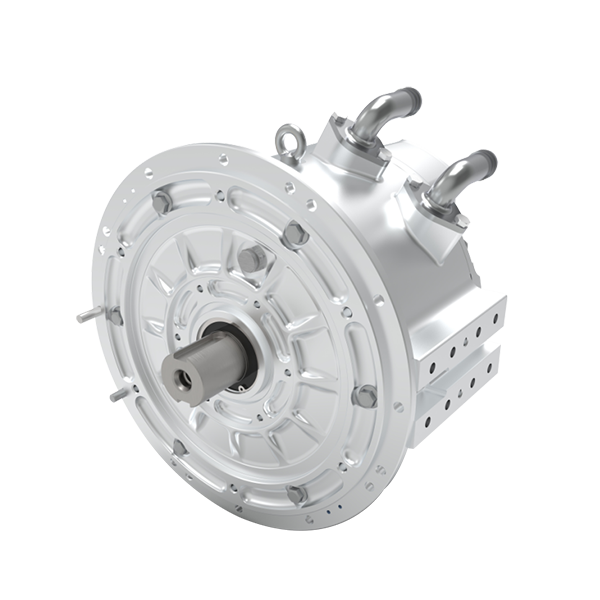
Case example: on one line we swapped the drive, tightened the PID loops, and added a simple rotor position sensor upgrade. Downtime fell. Energy use fell. Operators stopped complaining. It cost less than a full motor replacement and gave predictable returns. That tells me we should prefer layered improvements over one-off swaps. Consumers and engineers alike should weigh total system cost, not just motor price.
To choose wisely, I recommend three key metrics: 1) System efficiency at expected load points (not just peak), 2) Control stability — measured as torque ripple or speed variance, and 3) Ease of commissioning and diagnostics (firmware tools, live telemetry). Use those, and you’ll make fewer guesses. I hope this helps you act with confidence — because small, smart steps often beat big, flashy fixes. — I still get excited when a quiet fix makes a machine sing.
For balanced, real-world electric motors and drive solutions, I often recommend checking suppliers with clear specs and support. If you want a place to start, take a look at Santroll: Santroll.