
Morning Roads, Big Torque, Small Headaches
Here’s the straight talk: the bike you love should never beat you up on the way home. I know those long county lanes and short-town errands. A muscle cruiser can feel like a workhorse and a bull, both at once (and sometimes both before noon). Most rides are under an hour, most speeds sit below 60, and most backs complain by sunset—so why do so many folks trade comfort for torque? Is the grunt worth the grind when your wrists ache and the seat feels like a fence post? That’s the rub. Let’s set the scene, look at the numbers we can feel, and ask one simple thing—how do we keep the power and drop the pain? Stick with me, and we’ll line it up plain as a fence row for the next part.

The Hidden Snags You Don’t See at the Lot
What’s the real snag?
The shine is bright, but the surprises are louder. A muscle cruiser motorcycle promises torque you can smell, and it delivers. But in town, slow heat soak creeps up your legs. The clutch hand tires in stop-and-go. Tall gears make tight streets jerky. Those are the quiet taxes of big iron. The torque curve feels grand on a straight. In a parking lot, it can jump. Without smooth ECU mapping and a calm first gear, the ride turns choppy—funny how that works, right? Add in stiff rear shocks and you’ll feel every seam. ABS modules help, but they won’t fix a harsh seat pan or hot pipes. Look, it’s simpler than you think: the pain points hide in low-speed control and daily chores.
Old fixes miss the root. Folks swap pipes and grips but ignore lever ratios, slipper clutch behavior, and the throttle tube. They chase noise, not nuance. Heavy pegs and wide bars look tough, but they can load your shoulders. Cable pull can stack fatigue mile by mile. Even the CAN bus gets blamed when it’s really just a rough idle map. On paper, weight equals “stable.” On your street, that weight drags your feet at every turn-in and driveway bump. If the first half-turn of the throttle isn’t calm, the rest of the ride won’t be either.
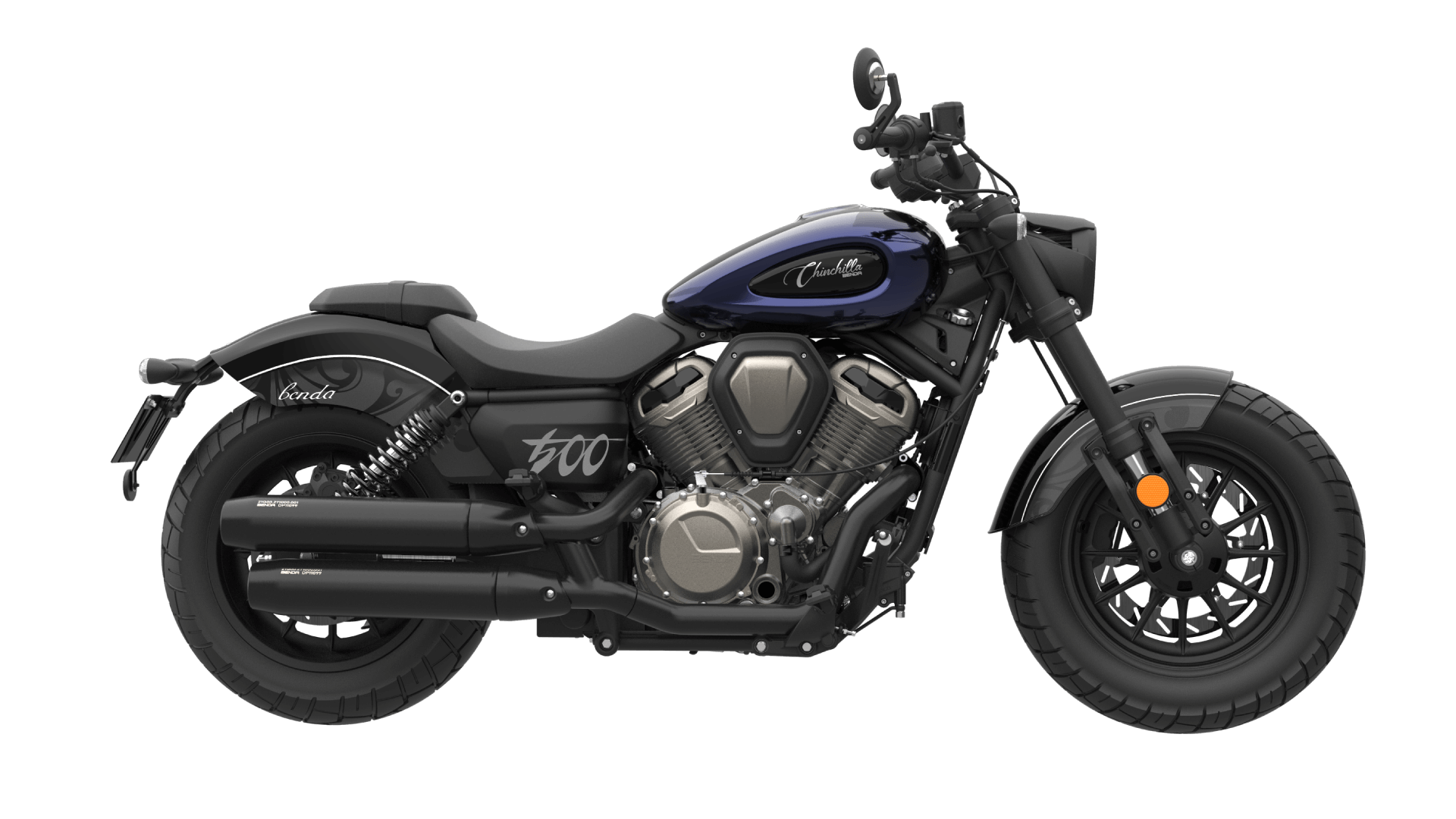
New Tech That Keeps the Brawn but Eases the Burden
What’s Next
Here’s where newer ideas pull ahead—quietly. Ride-by-wire gives a soft initial response, then feeds the hit when you’ve got room. An IMU watches pitch and lean to smooth traction control, so the torque waits until the tire is ready. Power converters clean up the electrical load for LEDs and heated gear, which keeps the charging system happy. Lighter alloys trim unsprung weight, so the shock and fork track better over rough chip seal. On the dash, simple modes reshape ECU mapping without killing the soul. It’s not magic; it’s just thoughtful plumbing of air, fuel, and leverage. Compare that to the old remedy of “add louder pipes, call it done”—we’ve moved on for a reason.
In the near term, expect more linked braking smarts, slipper-assist clutches that cut hand stress, and quickshifters tuned for big twins—smooth when you need it, spicy when you don’t. Some systems even treat the dash like edge computing nodes, crunching data at the bars instead of in the cloud—less lag, more feel. This is why the newest top muscle cruisers can feel calm at 15 mph and alive at 70. Power-to-weight stays stout; inverted forks add control; and the first quarter-turn of throttle gets gentled. Then, when the road opens—bam—the full pull arrives. Your spine will thank you—funny how the fastest bikes are getting friendlier, right?
So, what should you measure before you buy? Go with three simple checks: 1) Low-speed manners—how steady is the first 10% of throttle and the clutch bite; 2) Heat and ergos—seat shape, peg drop, and how the exhaust manages soak around town; 3) Control tech—ride-by-wire tuning, traction settings, and how the brakes blend feel with ABS. If a bike scores steady, cool, and clear on those, you’ll keep the muscle and lose the mess. That’s a win any day out past the grain bins, and it leaves room to grow with the badge you trust, like BENDA.