
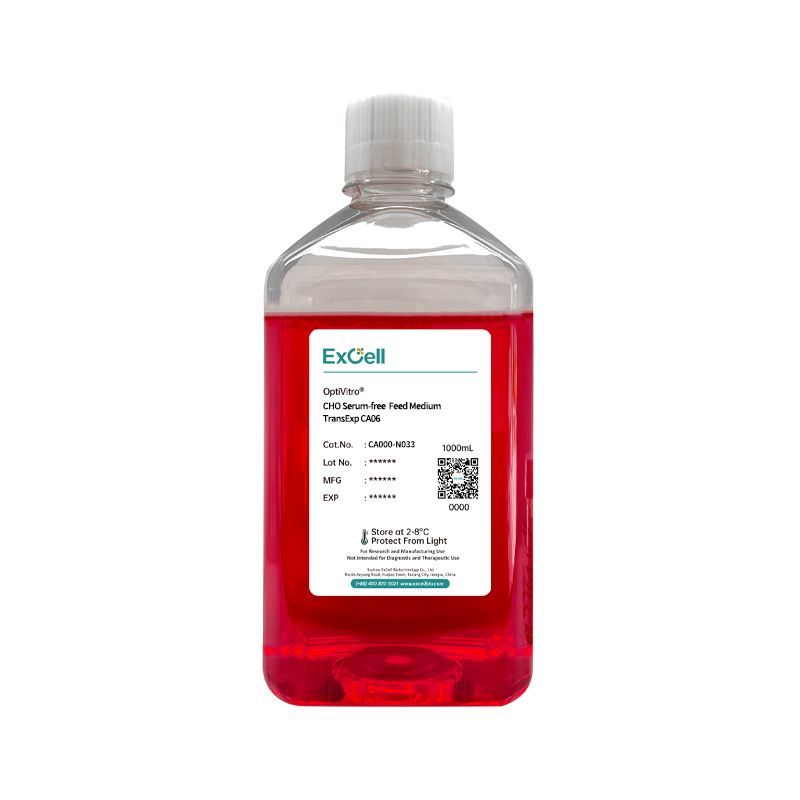
I start by defining what I mean: serum free culture media are formulations without animal serum used to grow cells under controlled, reproducible conditions. In my work I link practice to evidence — and that begins with serum free culture media as the central variable. Over 18 years in bioprocess development and cell therapy scale-up, I have learned that the choice of medium is not a simple swap; it reconfigures your passaging routines, bioreactor profiles, and quality control. (Note: I will refer often to basal medium, supplements, and xeno-free options.) This opening section sets the scene and points to the practical trade-offs we face next.
Why the Move Away from Serum Is Not Just “Better”
I want to be blunt: replacing serum is rarely a pure improvement without costs. My team and I moved an iPSC line from 10% fetal bovine serum (FBS) to a chemically defined serum free medium in June 2017 at a research site in Cambridge, MA. We expected cleaner data and lower lot-to-lot variance. We got those benefits, yes — but we also had slower initial doubling times, new adhesion failures, and a surge in consumable costs for validated supplements. I remember a Saturday morning when a critical clone started detaching in a 2 L spinner flask; that run cost us two weeks of work and taught me to respect attachment factors and extracellular matrix coatings more than marketing claims.
Core Hidden Pain Points: Reproducibility, Attachment, and Aggregate Control
When I audit labs, three recurring issues stand out: reproducibility across lots, cell adhesion failures, and uncontrolled aggregation in suspension systems. We treated each as separate problems, but they share a root: changes in protein composition (reduced serum proteins) alter cell–substrate interactions and signaling. For adherent cultures, switching to serum free culture media required us to validate specific coatings (e.g., vitronectin, recombinant laminin-521) and adapt seeding density by at least 20–30%. In suspension, we had to tune stirring rates and antifoam levels to avoid shear-induced apoptosis. Those are tangible adjustments — not theoretical tweaks.
So what are the technical levers we actually pull?
I will list three levers I use habitually: 1) adhesion matrix selection (coating type and protein concentration), 2) supplement titration (growth factors, insulin-transferrin-selenium mixes), and 3) process parameters (pH setpoint, dissolved oxygen, agitation). In a 2019 200 L run for a mesenchymal stromal cell (MSC) project in San Diego, we reduced agitation by 15% and added low-level shear protectant. The result: cell viability rose from 78% to 92% at harvest — clear, measurable effect. — odd, I know.
Traditional Solution Flaws: Where Standard Fixes Fail
Many teams lean on brute-force fixes. Add more growth factors. Increase seeding density. Extend culture time. I’ve done that. Often these “quick patches” hide the bigger risk: they mask instability rather than solve it. In one case, adding extra recombinant growth factor improved short-term growth but generated aberrant differentiation in subsequent passages. That run, in November 2018 at a clinical-scale facility, forced a rollback to the original cell bank. The lesson: short-term yield gains can erode long-term potency and identity. We need assays beyond cell count: metabolic profiling, marker expression by flow cytometry, and functional potency readouts. Those tests exposed the hidden damage.
Comparative Insight: Defined Media vs. Serum-Containing Formulas
Compare side-by-side and you see clear trade-offs. Serum-containing media offer forgiving buffering and many attachment proteins. They are robust to minor protocol drift. Defined serum free culture media provide lower variability, easier downstream processing, and reduced risk of adventitious agents, but they demand tighter control of cell handling. In my practice I weigh three metrics: lot-to-lot variability (coefficient of variation, %), process yield per liter (cells/L), and functional potency (assay-specific readout). In a head-to-head test in 2020 with a CHO-derived protein process, defined medium reduced host-cell protein carryover by 40% and improved downstream yield by 8%, yet required stricter control of feed schedules.
Cost Realities and Hidden Operational Load
Product cost per liter is only one part of the story. When we switched to a premium xeno-free medium for stem cell work, per-liter cost rose 3–5x. But we recovered some of that via reduced serum testing and fewer cold chain failures. The hidden load came as time: more frequent QC, extra training, and incremental validation runs. I track this as a manpower cost per batch — typically 8–16 extra labor hours during the initial 3 months post-change. Those hours matter when scaling from R&D to GMP.
Regulatory and Quality Considerations
From a compliance view, serum introduces variability and animal-origin risk. Regulators prefer defined, traceable inputs. I recall a 2015 pre-IND meeting where the agency pushed us to justify FBS use in a cell therapy product. The team then pivoted to a serum free strategy to de-risk the filing. That decision reduced hold points in the dossier but meant we had to submit extended comparability data. So the trade-off is clear: lower biological risk but higher initial documentation effort.
Practical Roadmap: How I Pilot a Serum-Free Transition
My standard pilot has four phases. First, screening: small-scale 6-well plates across 6–8 candidate media and two coatings. Second, scale verification: spinner flasks or 2–5 L bioreactors to test shear and oxygen transfer. Third, analytical profiling: metabolic assays, flow markers, and potency. Fourth, comparability and validation runs. I time that at 3–6 months for an academic lab and 6–12 months for a GMP site. In March 2016 I ran two parallel 50 L pilots to nail process setpoints — that was invaluable. We documented cell doubling times, oxygen uptake rate (OUR), glucose consumption, and lactate production. Those numbers guided feed recipes and improved predictability.
Key Performance Indicators I Monitor Closely
When I evaluate a new medium or process, I watch these KPIs: viability at harvest, cumulative population doublings per passage, specific productivity (pg/cell/day for protein producers), and potency score (context-specific). For adherent cells I add adhesion index (percent attached at 24 hours) and for suspension I use aggregate size distribution by imaging. In one assay, changing a supplement reduced aggregate median diameter from 280 to 110 μm, which cut necrotic core occurrence dramatically. That was a clear win.
One Practical Checklist I Give Teams
I share this with every lab I consult: 1) run a matrix of media x coating x seeding density, 2) define acceptance criteria for growth and potency, 3) collect metabolic flux data, 4) plan backward transfer to existing QC assays, 5) budget for 3 validation runs, and 6) monitor contaminants using PCR-based panels. These actionable items prevent the common trap: assuming medium is plug-and-play.
Forward-Looking Comparative View: Where Serum-Free Is Headed
Looking ahead, I compare three trajectories: more refined chemically defined formulas, hybrid approaches (partial serum replacements), and modular supplements tailored to cell type. I believe the trend favors modular, targeted supplements that let teams tune media for cell lines or donor variability. In the last two years I’ve seen suppliers add small-molecule stabilizers and engineered proteins that reduce aggregation and enhance survival, which changes how we design bioreactor feeds. — I had to check twice when I first saw the data.
Real-World Impact: Scale, Supply, and Downstream Synergy
At scale, serum free culture media deliver cleaner harvests, which simplifies downstream chromatography and reduces host-protein loads. In a 2021 facility audit, switching to defined medium cut HCP in the harvest pool by nearly half, enabling a simpler purification train. That reduces resin usage and improves capacity. For contract manufacturers, this is a commercial lever: better process consistency equals fewer batch failures and clearer scheduling. For early-stage labs, the gains are in data quality and reduced variability.
What’s Next for Teams Considering the Switch?
If you are on the fence, try a short, data-rich pilot. Use a small-scale bioreactor to test agitation, DO, and feed interactions. Quantify not just cell counts but marker stability and functional assays. I recommend a 90-day pilot that includes two independent operators and at least three incoming donor lots if you work with primary cells. That design gives you statistical power to spot real effects vs. noise.
Summary and Practical Takeaways
I’ll be concise: serum free culture media provide reproducibility and regulatory clarity but demand investment in process control, coatings, and analytics. My advice—three evaluation metrics to weigh before you commit: 1) biological comparability (marker expression and potency), 2) operational cost (materials + validation labor, quantified per batch), and 3) downstream impact (HCP, viscosity, filtration load). Use those to compare vendors and formulations. I favor media that come with clear ingredient lists and peer-reviewed evidence for your cell type.
In closing — and I mean this from hands-on runs, audits, and late-night troubleshooting — the right move is pragmatic. Plan for extra work up front. Expect early setbacks. But if you standardize coatings, monitor metabolism, and lock down acceptance criteria, the payoff is real: predictable scale-up, cleaner product, and fewer surprises at filing. — yes, it requires discipline.
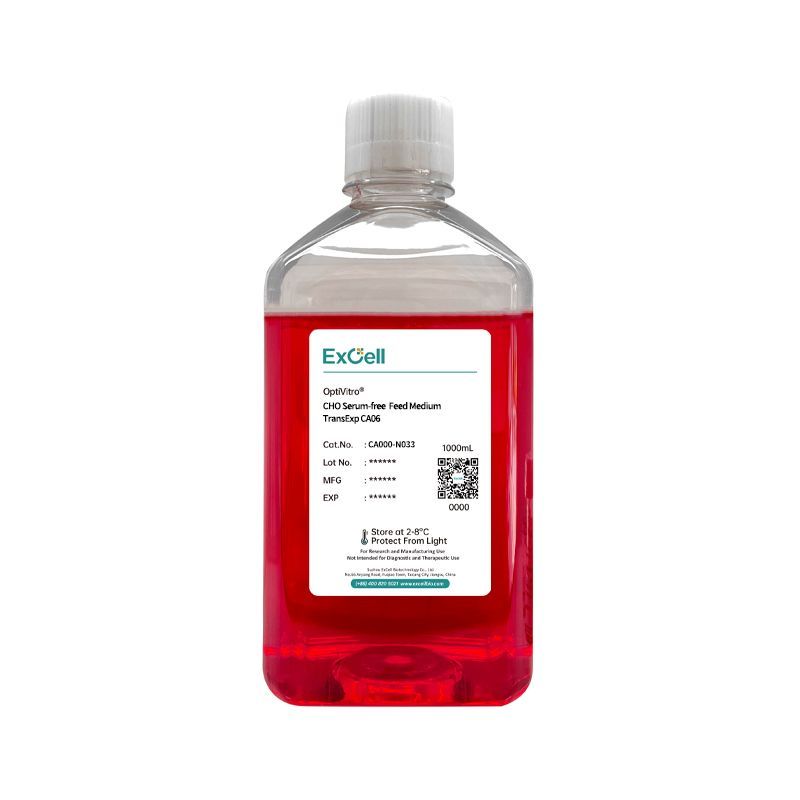
For teams who want a reference point or a supplier discussion, I often recommend starting conversations with resources like serum free culture media suppliers that publish technical data and offer pilot support. I stand by those who invest the time; the long-term gains in consistency and regulatory clarity are measurable. For further practical help, consider reaching out to consultants who have run GMP transfers in your region. — small step, big difference.
Signed, an experienced consultant with over 18 years in bioprocess development and scale-up, offering hands-on pilot designs, measurable KPIs, and field-tested checklists. For supplier information and additional resources visit ExCellBio.