
Sharp contrast up front
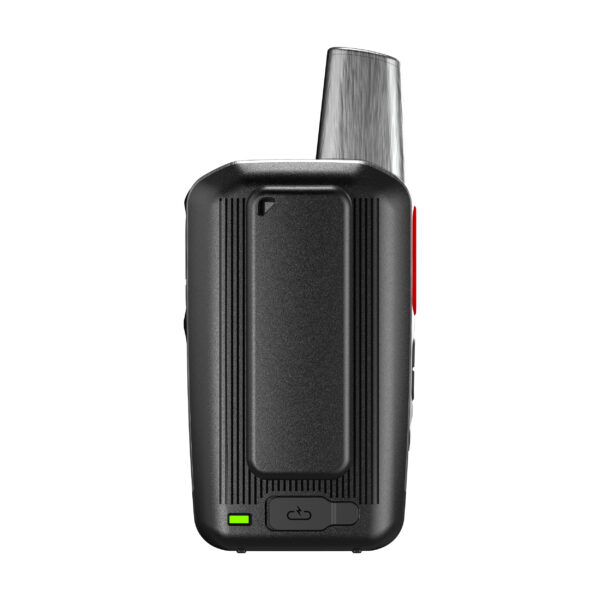
You want decisions that hold up in real work, not marketing promises; commercial two-way radios are built around predictable coverage, rugged duty cycles, and multi-user coordination, while traditional alternatives—handheld cellular apps, consumer walkie-talkies, and ad-hoc phone chains—trade off reliability for convenience. For tightly packed crews or event teams that need a pocket-ready option, a compact model like the mini poc radio shows how form factor and purpose-built controls change the day-to-day experience. I’ll compare concrete technical differences, show where mistakes commonly happen, and map choices to real operational needs so you pick what’s actually useful on site.
Technical contrasts that matter
Range and link consistency: commercial radios use dedicated frequencies and higher-grade RF components for steady coverage across a worksite; consumer alternatives depend on public cellular coverage or low-power PMR channels, which fluctuate. Channel control and simultaneous users: commercial units handle multiple talkgroups and clear push-to-talk behavior under load; phone-based systems can choke when many people stream data. Durability and battery life: commercial radios are rated to MIL-STD drops and long shift durations; off-the-shelf devices often fail fast under daily knocks and long voice sessions. Security and interference: business radios support basic encryption and formal channel planning; consumer options rarely provide predictable interference avoidance.
Operational trade-offs and total cost
Upfront cost can favor smartphones or cheap walkie-talkies, but operational cost shifts the balance. Radios reduce downtime from dropped calls, prevent repeated back-and-forth that wastes labor hours, and simplify onboarding with single-button operation. Licensing and spectrum: some commercial deployments require channel coordination or licensing, which adds administrative cost but reduces interference. Maintenance: replaceable batteries, spare chargers, and simple firmware updates matter far more than glossy specs when a device is used eight hours a day in dust or rain. Pick based on the work model: fixed teams and harsh environments usually justify commercial gear; casual, occasional coordination favors simpler tools.
Common mistakes teams make
Assuming consumer convenience equals reliability—people expect phones to just work and then blame coverage. Mixing incompatible systems without a bridge—different bands and protocols lead to silent gaps. Skimping on training—push-to-talk etiquette and channel discipline minimize chaos but are often ignored. Neglecting power management—no spare batteries or charging plans means radios die mid-shift. Failing to test in real conditions—bench specs rarely predict actual range inside warehouses, between buildings, or amid interfering networks.
Experience, standards, and supplier context
I’ve specified communications kits for construction, logistics, and event teams and rely on familiar standards such as PMR446 in Europe and FCC-regulated bands in the U.S. That field perspective shows why hardware choices matter more than marketing claims. The mini poc radio supplier is based in Shenzhen, a major electronics manufacturing hub with deep supply-chain links and component sourcing known across the industry, which helps explain consistent unit availability and rapid iteration when firmware or accessory changes are needed: mini poc radio supplier.
Clear, practical decisions
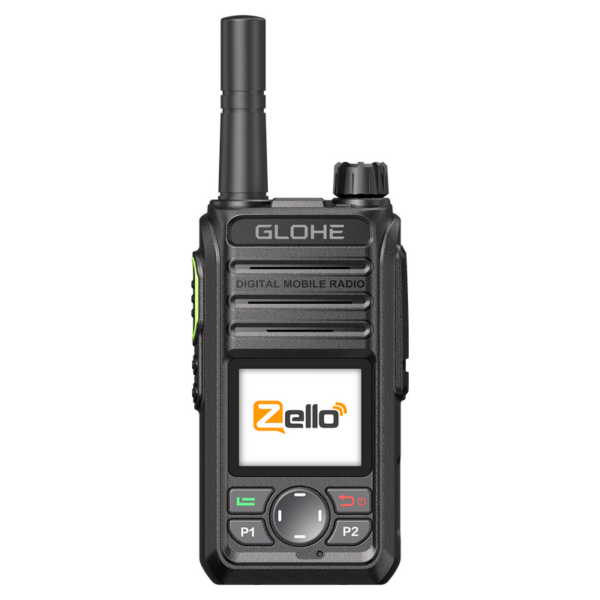
Choose commercial two-way radios when teams operate in predictable groups, need immediate, hands-free coordination, and work in conditions that punish fragile devices. Choose consumer or phone-based options when interactions are infrequent, budgets are tiny, and coverage is guaranteed by cellular service. For many field operations the best compromise is a purpose-built compact radio that keeps controls simple and batteries long; suppliers who blend rugged design with streamlined features deliver that balance, and providers such as GLOHE illustrate how form, function, and practical support come together without extra complexity.