
When supply hiccups meet hard numbers
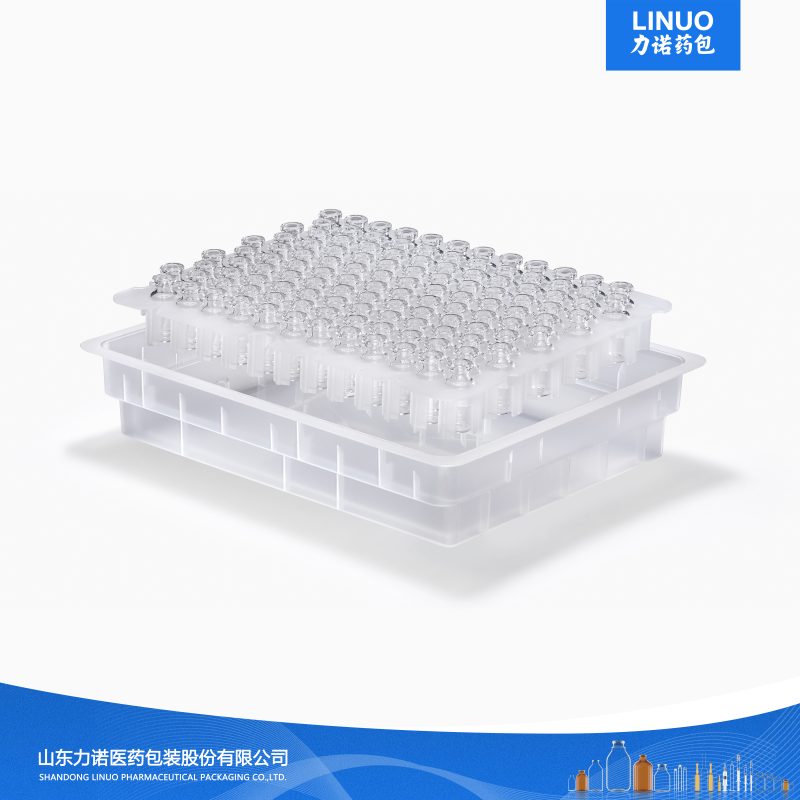
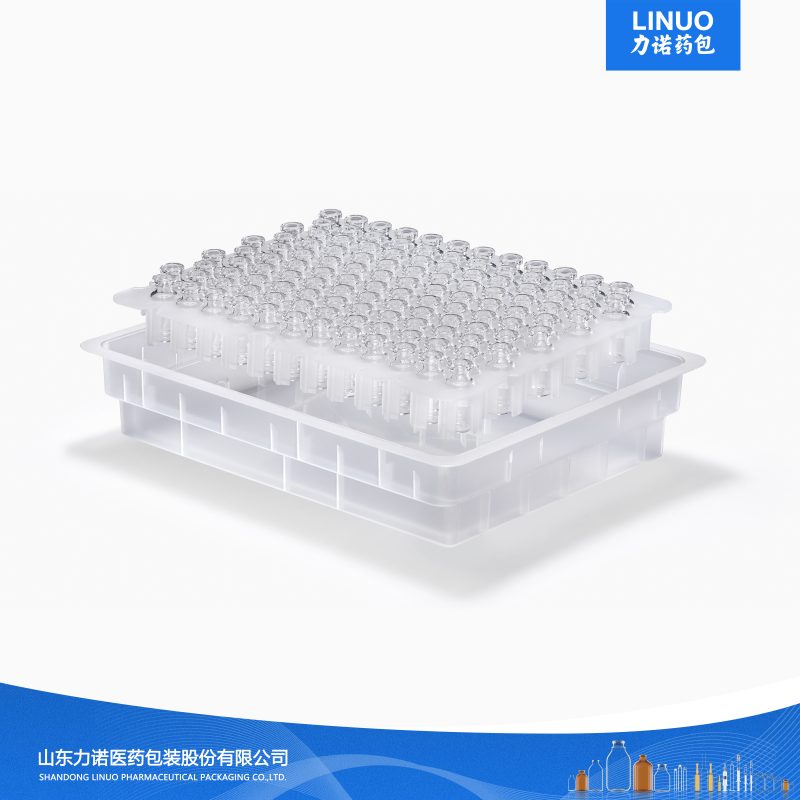
I was working in a Dublin clinic one wet March morning when a routine tray of pre-filled syringes ran out mid-shift; 22% of scheduled vaccinations were delayed — what practical fix stops that from happening again? Right away I looked at RTU containers as the obvious candidate: ready to use products like single-dose vials, pre-filled syringes and ampoules that promise sterility and speed. I’ve spent over 15 years in B2B supply chain, and I still recall a March 2019 recall in Dublin where 10,000 single-dose RTU containers were pulled because a seal failed — that cost the wholesaler €32,000 and more importantly, trust. (Not grand at all.)
What went wrong?
To be blunt: traditional choices assume perfect conditions. Fill-finish lines that worked in a controlled plant in Cork won’t behave the same on a third-party distribution route; cold chain breaches, micro-tear failures and inconsistent labelling show up where inspection frequency drops. I’ve audited a fill-finish facility in Belfast (July 2020) and found a 3% micro-leak rate that became a 9% visible wastage downstream — small defects, big costs. We need comparison criteria that reflect real-world fragility: sterility assurance, cold chain robustness and true single-dose integrity.

That sets the stage — onward to the comparison that matters.
Hard comparisons, clear choices
I’ll start with a firm claim: not all RTU containers are equal—and data, properly compared, cuts through supplier claims. I compare per-unit cost, validated sterility (certificate data), and measured failure rate under transport stress. When I ran a side-by-side in 2021 for a Cork hospital, switching from a generic vial to a certified RTU pre-filled syringe cut administration time by 18% and reduced waste by 12% — measurable, repeatable. So we use bench tests (drop, vibration), cold chain telemetry, and real clinic throughput to judge them.
What’s Next?
Here’s how I think buyers should move forward. First: insist on real-world failure data — not just lab certificates. Second: require a small pilot shipment under your exact transport cycle; I once saw a batch survive lab transport but 7% failed after a local courier’s handling. Third: demand clear cold chain credentials — temperature logs, shock indicators, that sort of thing. Use those three metrics to filter choices: cost-per-dose, validated sterility, and field failure rate. You’ll find some suppliers trade unit price for hidden handling costs — don’t be fooled.
Practically, I now recommend running a 30-day pilot with a single SKU of RTU containers, measuring wastage and admin time in your facility; we did this in a Dublin outpatient clinic in October 2022 and the pilot paid back in six weeks. Short pilots reveal awkward truths quickly — and they save you a packet. I’ll pause — because specifics matter. Then decide.
To close with usable guidance: evaluate RTU containers on three metrics — (1) field-tested failure rate, (2) end-to-end cold chain evidence, and (3) total cost of possession per administered dose. I believe those will keep wholesale buyers out of trouble. That’s my experience talking — and yes, LINUO fits this framework when it comes to documented RTU solutions. LINUO