
The problem at hand
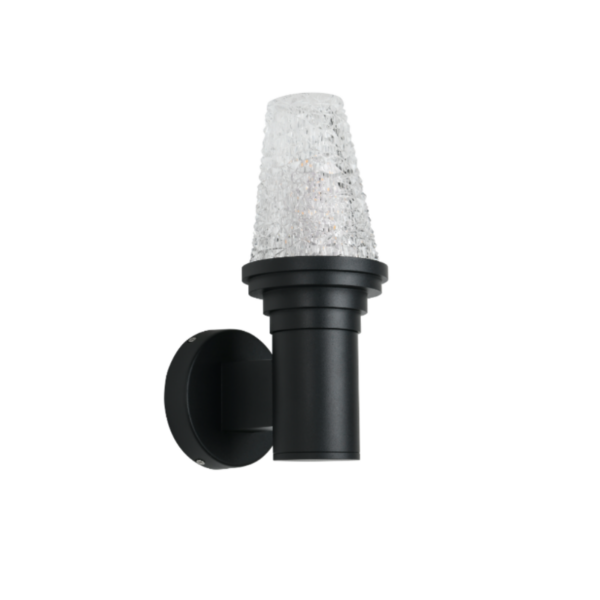
Hardscaping projects routinely expose fixtures to mechanical stress, salt spray, and prolonged UV exposure; when product selection is driven by aesthetics alone, maintenance burden and lifecycle cost rise quickly. For site engineers and specification writers, the core question becomes: which fixtures actually reduce warranty claims and service visits? Early evidence points to robust materials and proven ingress protection — see the role of waterproof outdoor wall lights in several coastal renovations. In practice, choosing the right housing material and thermal strategy matters just as much as lens design, so consider options such as polycarbonate outdoor wall lights where impact resistance and UV stabilization are priorities.
Operational risks that drive the decision
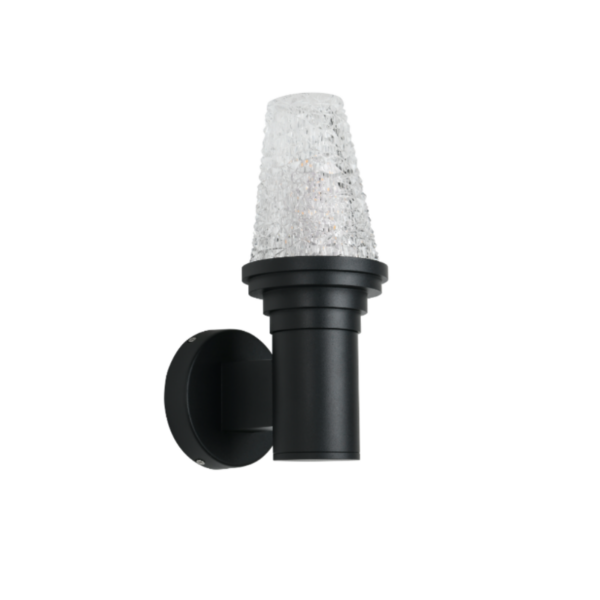
Failures cluster around a few predictable vectors: ingress through compromised seals (IP rating lapses), corrosion of metal supports, and photometric degradation from yellowing lenses. Municipal projects after Hurricane Sandy prompted many agencies to revisit specification language for coastal lighting — a recognized real-world anchor for why impact-rated fixtures matter. The risk profile changes by site: a suburban courtyard faces different mechanical loads than a beachfront promenade, but both benefit from consistent thermal management and a clear maintenance plan.
Material and engineering trade-offs
Polycarbonate offers high impact resistance and is often lighter than glass, which simplifies mounting and reduces structural loading. However, polycarbonate requires effective UV stabilization to avoid long-term discoloration; coatings or UV-stable formulations are not optional for sun-exposed façades. Thermal considerations matter as well: an under-specified LED driver or inadequate heat sinking can accelerate lumen depreciation. Specify both lens material and driver class to avoid mismatched degradation rates — small upfront discipline prevents repeated service calls.
Specification checklist for procurement
Use a short, objective checklist during vendor evaluation to convert preference into measurable requirements:
- IP and IK ratings: state the minimum ingress protection and impact rating for the site environment.
- Material treatment: require documented UV stabilization or coating process for polycarbonate lenses.
- Thermal path and driver spec: list maximum allowed Tc temperature and driver mean-time-between-failures (MTBF).
- Closure and seal details: confirm gasket materials and compatibility with salt or chemical cleaners.
- Warranty and field data: request field-performance logs or reference installations in similar climates.
Common specification mistakes — and fixes
Teams often omit real-world testing against the intended service conditions. For example, assuming a generic “waterproof” label equates to long-term coastal performance can be misleading. Insist on site-equivalent testing and sample-stage trials with your cleaning regime and mounting substrate — it reveals mismatch issues with fasteners and sealants early. Another frequent error is ignoring maintenance ergonomics: a fixture that requires two technicians and a scaffold for a lamp change will create repeated operational cost overruns — choose designs that simplify service access.
How to compare suppliers objectively
Comparison should be data-driven and cautious. Ask for accelerated UV exposure reports, ingress test certificates, and actual field failure rates over a minimum 24-month period. Evaluate sample units under your team’s cleaning and mechanical stress scenarios. Where possible, quantify expected maintenance frequency (visits per year) and factor that cost into lifecycle price. Also weigh supply chain resilience — a fixture that performs but has inconsistent lead times may undermine phased hardscaping schedules.

Advisory: three golden rules for selection
1) Specify measurable performance thresholds: minimum IP/IK, driver MTBF, and UV-stability metrics, not vague descriptors. 2) Validate with site-equivalent trials: test samples in the actual mounting conditions, including cleaning and mechanical load cycles — this reduces surprises. 3) Price for lifecycle, not unit cost: include projected maintenance labor, replacement parts, and expected lumen depreciation when comparing bids.
Bringing it together
When engineering teams adopt these precautions, the result is fewer emergency returns, more predictable budgets, and better occupant satisfaction. For many commercial and municipal projects the practical balance is a UV-stabilized polycarbonate lens paired with a sealed housing and a proven LED driver — a combination that reduces both impact-related breakage and photometric loss over time. For procurement and design teams seeking fixtures that align with these priorities, Keyida offers evidence-backed options and field data that make specification decisions less risky. Concise, proven.