
Introduction
Have we really optimized how we study small-animal locomotion, or are we repeating the same compromises? I ask this because labs worldwide report variable results from similar protocols, and funding panels keep pressing for reproducible, cost-effective setups (the pressure is real). In many of my consultations I see the same tool in use—the mouse treadmill—yet outcomes differ markedly by site, operator, and equipment age. Data show variance in trial-to-trial locomotor metrics can exceed 20% in some centers. What does that tell us about the systems we trust, and where should we aim our fixes next? Let’s unpack the practical gaps and move toward clearer choices.
Part 1 — Deeper Issues: Traditional Flaws and Hidden User Pain
Why do standard setups fail?
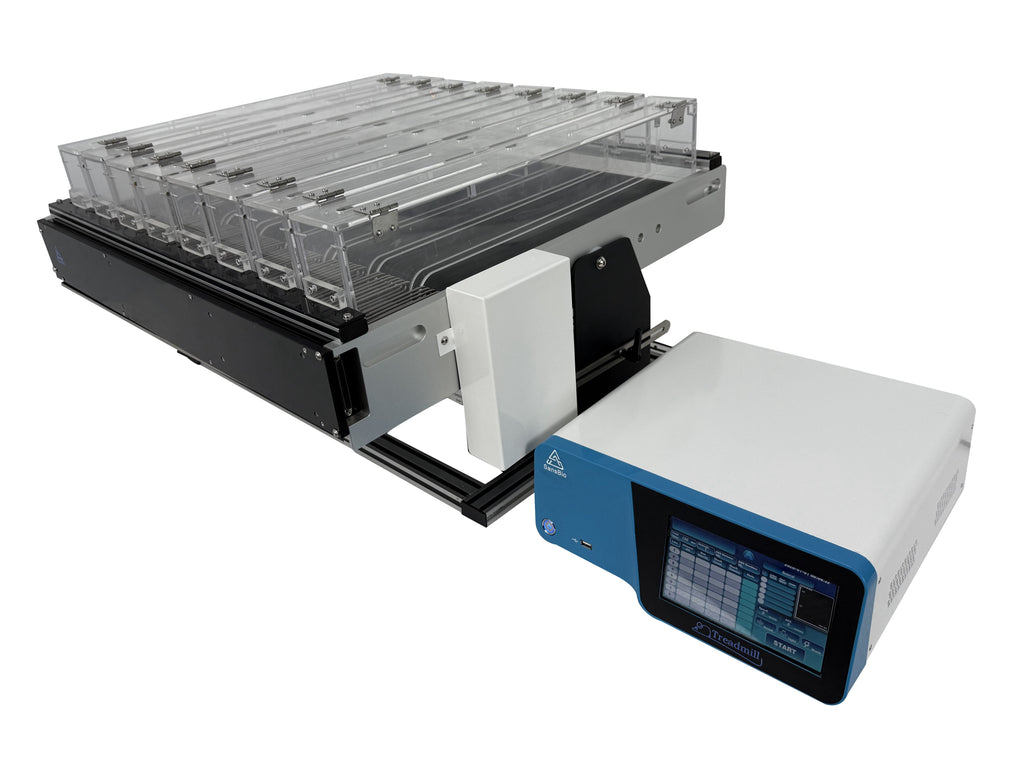
When I look at a typical rat treadmill installation, the shortcomings are often structural and procedural. Many teams rely on old speed controllers and basic data logging that were never designed for modern behavioral paradigms. Locomotor activity reads are distorted by variable belt surfaces, worn bearings, or mismatched infrared sensors. These hardware issues cascade into study-level problems: poor signal-to-noise, inconsistent session start timing, and extra data cleaning. I’ve seen datasets ruined because the interface timestamp drifted. Look, it’s simpler than you think—regular calibration beats complex post-hoc fixes.
Beyond hardware, user pain points hide in plain sight. Operators juggle manual warm-ups, inconsistent handling, and ad hoc acclimation protocols; that human variance is as big a source of error as any component. Power converters that hiccup under laboratory loads — funny how that works, right? — create subtle speed fluctuations and artefacts in stride measures. Then there’s the software side: archaic GUIs that force export into formats needing heavy transformation. I’ve watched capable teams lose days to format wars. The upshot: both engineering gaps and workflow friction raise the cost of reliable science.
Part 2 — Looking Ahead: Principles for Next-Generation Treadmill Systems
What’s Next?
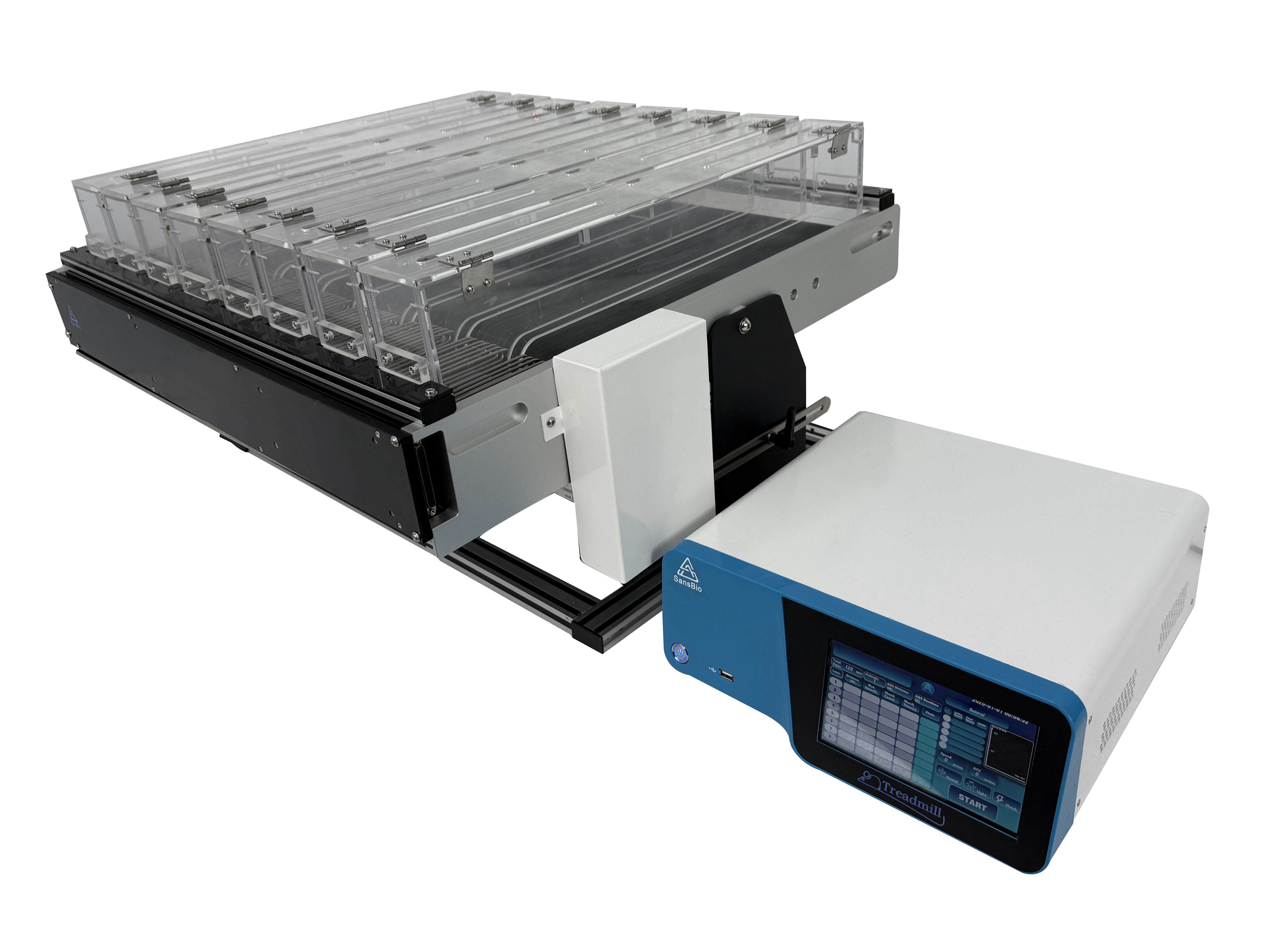
To move forward, we should anchor design around stability, traceability, and ease of use. Modern rat treadmill principles emphasize closed-loop control, robust edge computing nodes for real-time processing, and modular sensor arrays. Closed-loop systems reduce drift by adjusting belt speed instantaneously based on encoder feedback. Edge computing lets you pre-process locomotor activity in situ, lowering file sizes and speeding review. I favor modular sensors so teams can swap a faulty infrared sensor or upgrade to higher-resolution encoders without replacing the whole rig.
Practically, that means simpler daily checks and fewer surprises during analysis. We should expect repeatable acceleration profiles, clear timestamping, and export formats that plug directly into common analysis pipelines. There’s also room to rethink ergonomics: better animal enclosures, clearer visual cues for the operator, and training scripts that standardize acclimation. These changes reduce operator load and improve data fidelity—measurable wins that compound across experiments.
Conclusion — How to Evaluate Your Next System
Here’s what I advise when you’re choosing or upgrading a treadmill setup: focus on three metrics that matter in everyday lab life. First: control fidelity — can the system hold speed and acceleration within tight tolerances? Second: data integrity — are timestamps, sampling rates, and sensor calibrations documented and stable? Third: workflow fit — does the interface and hardware reduce manual steps, and can a technician learn and maintain it quickly? If a candidate system meets these, you’ll spend less time troubleshooting and more time answering your scientific questions.
We must balance cost with long-term reliability. I’ve seen teams save upfront only to lose months later to hidden maintenance. So test units, ask for calibration logs, and insist on clear export standards. In my view, pragmatic choices win: aim for equipment that minimizes variance and supports standard operating procedures. For practical options and tools that follow these principles, I recommend checking solutions from BPLabLine—they design with lab workflows in mind and provide clear spec sheets to help you decide.