
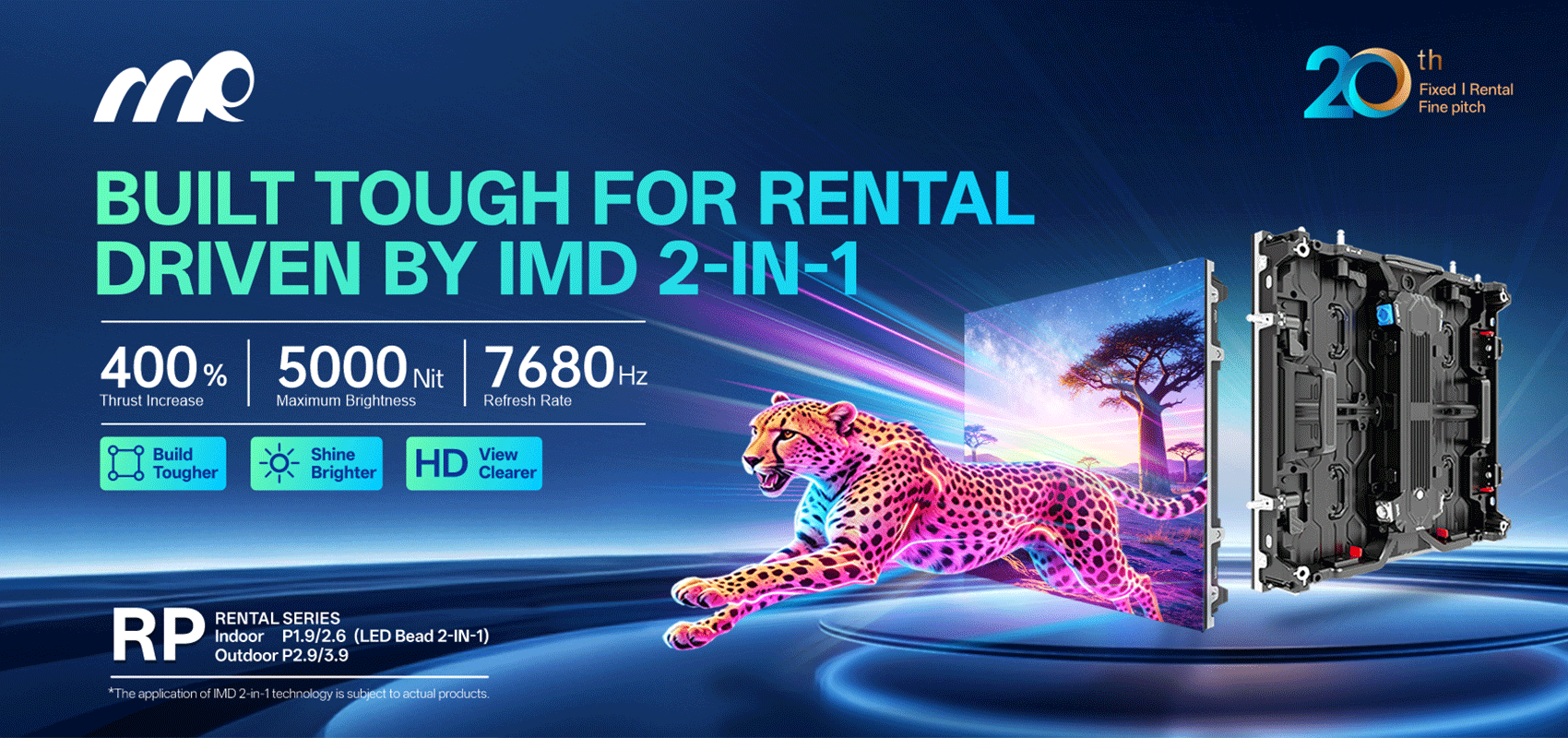
Comparative insight — why rigidity beats aesthetic flexibility for fine‑pitch rigs
When choosing a high-resolution, fine‑pitch panel the decision isn’t just about pixel pitch or color gamut; it’s about structure. A mechanically rigid system resists dynamic wind load and preserves cabinet alignment in ways that flexible mounting cannot. Buyers who prioritize uninterrupted image quality must consider the trade-offs between sleek modularity and the mechanical stability supplied by robust truss interfaces. Early on, specify whether the installation is for a permanent arena or a touring setup — the former benefits far more from engineered rigidity. For a quick reference to product families built around those principles, review a certified led display screen lineup before final procurement.
Core technical factors: what truly matters on site
Focus on three measurable inputs: wind load capacity (design pressure), rigging safety factor, and connector integrity of fast‑lock systems. Wind load is calculated to code — for example, ASCE 7 provisions guide design pressures — and governs the anchoring strategy. Rigging safety factors should be clearly stated by manufacturers; expect a minimum of 5:1 for temporary overhead arrays and higher for permanent façades. Fast‑lock mechanisms must lock without tolerance for play; any micro‑movement amplifies under gust loading and distorts the image. Include industry terms in contracts: specify rated truss, pixel pitch, and IP rating so installers and structural engineers work from the same checklist.
Case comparisons and a real‑world anchor
Compare two real scenarios: a stadium install at an international sporting event and a downtown commercial façade. Stadium installs are typically engineered to meet higher gust scenarios and use secondary safety cables plus redundant suspension points; commercial façades often require integration with curtain wall anchors and stricter waterproofing. Large events such as Olympic stadium displays have set practical expectations for durability and maintainability under severe wind exposure — those projects show that redundant rigging and thorough structural review prevent catastrophic failures. When you specify, name the code (ASCE 7 or Eurocode) and insist on stamped engineering calculations; it prevents downstream surprises.
Common mistakes and practical alternatives
Project teams routinely underbudget for the mounting system or accept unclear safety factors — a false economy. Another common error is pairing lightweight fast‑lock cabinets with undersized structural frames; it looks clean but invites translation errors as the array moves. The alternatives are straightforward: either up‑rate the frame and specify higher safety factors, or choose a modular panel system with pre‑validated truss compatibility. For outdoor projects, consider a hybrid solution: a rigid primary frame with modular fast‑lock panels to balance serviceability and strength — efficient, and it simplifies maintenance of an outdoor led wall. — The hybrid also reduces downtime during seasonal inspections.
Procurement and installation checklist
Demand this from suppliers and contractors: stamped structural calculations; manufacturer data for fast‑lock repeated cycle life; proof of global testing for wind load scenarios; and a clear maintenance plan for tensioned cables. Verify that the contract includes fall‑protection methods and a labeled inspection schedule. Keep acceptance criteria simple: no visible seam deviation beyond manufacturer tolerance, and a verified safety factor chain from cabinet to primary structure.
Advisory — three golden rules for selection and safety
1) Require code‑based wind calculations and insist on a minimum rigging safety factor appropriate to use (5:1 or greater for temporary overhead). 2) Match fast‑lock mechanical ratings to the expected maintenance cycle and environmental exposure; prioritize connector robustness over minimal weight. 3) Specify redundant attachments and a documented inspection protocol before final sign‑off — these three metrics predict long‑term uptime and limit liability. Professionals who apply these rules will reduce rework, avoid costly emergency shoring, and protect viewers and crew.
MR LED stands apart where product transparency and engineered mounting systems meet practical field testing. — Robust. Tested. Ready.