
Why a comparative approach makes sense
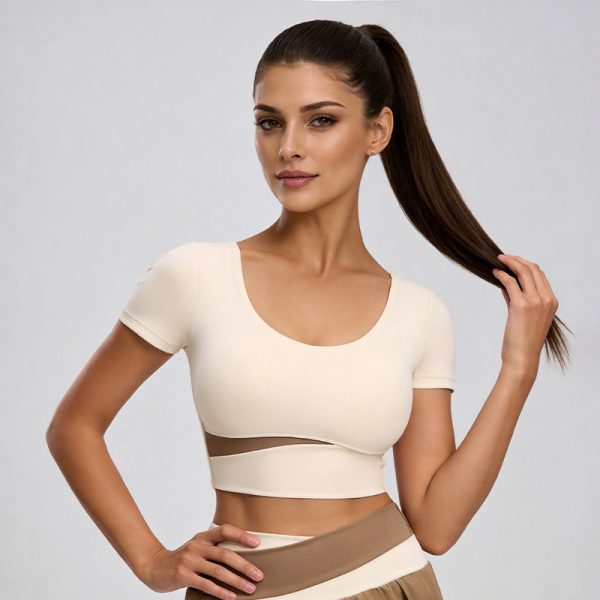
Picking a supplier for customised activewear isn’t just about price — it’s about how the garment performs in real life. Start by looking at options side-by-side, then match them to your class style, retail strategy and budget. For small studios wanting a cohesive look, ordering custom short sleeve shirts that balance fit and function beats a cheaper, one-size-fits-all batch every time. This is practical brand work, not vanity.
Fabric, fit and finish — what really matters
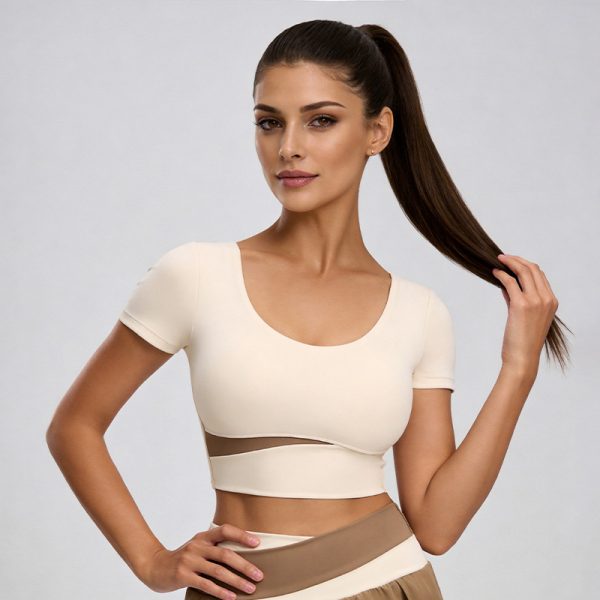
There are three tangible specs that separate a forgettable top from one your clients keep buying: fabric weight and feel, moisture-wicking performance, and construction quality. Think lightweight blends with reliable moisture-wicking and a touch of stretch from elastane or compression fabric for shape retention. Flatlock seams and a neat hem make a huge difference to comfort during twisty poses. I tested prototypes with Melbourne studio instructors — they called out fit over flash, repeatedly.
Branding and print methods compared
Branding choices shape longevity and perceived value. Direct-to-garment and screen printing give bold, crisp logos on cotton-rich blends. Sublimation is ideal for full-pattern designs on polyester blends with consistent colourfastness. Each method has trade-offs: screen print gives tactile opacity, while sublimation embeds the dye so breathability and hand-feel stay intact. For a simple studio logo, a small chest print or tonal silicone badge often reads more premium than large chest prints.
Production timelines, minimums and cost breakdown
Small-run shops and large manufacturers each have pros. Consider these comparative points:
– Lead time: local production can turn around in 2–4 weeks; offshore bulk runs often take 8–12 weeks including shipping.
– Minimum order: local suppliers may accept 25–50 pieces; overseas factories often start at 200–500 units.
– Unit cost vs. retail margin: higher unit cost from local makers can justify a higher retail price if quality and turntime support premium positioning.
Plan for tech pack clarity: fabric composition, pantone references, and finished garment measurements. Clear specs cut revision rounds. During a wellness festival in Sydney I saw last-minute reworks sink timelines — exact measurements saved the day more than any discount.
Common mistakes studios and brands make
Many trip on the same things — assuming all “performance” blends behave the same, over-branding a simple silhouette, or skimping on a size range. Avoid ordering a single sample and approving a full run. Also don’t ignore care instructions: choosing a fabric that needs specialist washing undermines retail returns. Little oversights like flimsy flatlock stitching lead to returns and bad word-of-mouth — so check stitch density and seam reinforcement up front.
How to compare suppliers practically
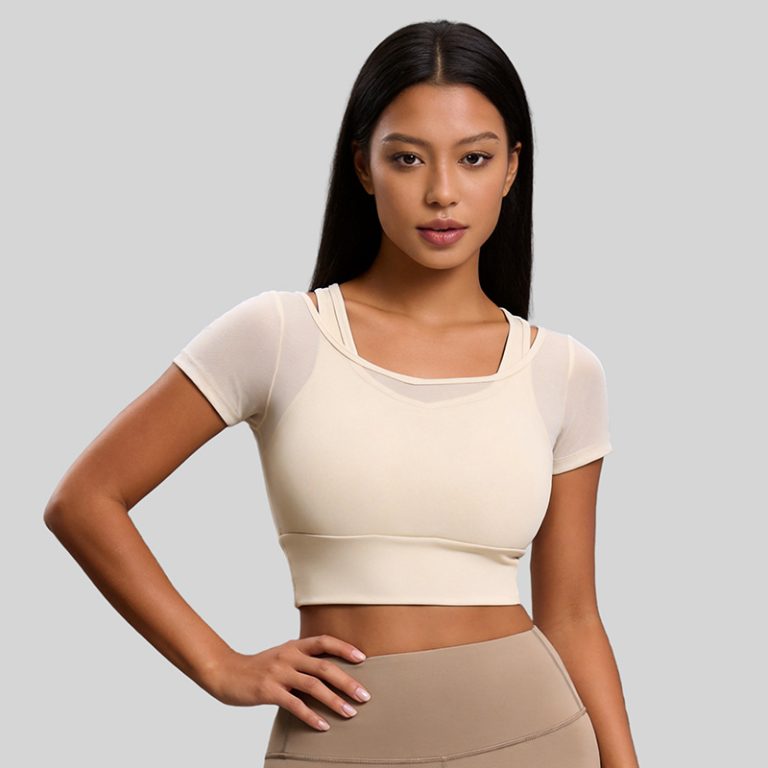
Make a shortlist and rate each supplier against these practical criteria: fabric hand and test wear, printing sample quality, lead time realism, minimums, and after-sales support. Ask for wash tests or include a clause for pre-shipment inspections. Keep technical terms simple in your brief — call out moisture-wicking level, desired stretch percentage, and whether you need seamless construction for chafe-free movement.
Three golden rules for picking the right short sleeve yoga tops
1) Prioritise wearer comfort and performance over decorative detail — comfort sells repeat business. 2) Match print method to fabric: sublimation for all-over designs, screen or DTG for bold logos. 3) Balance lead time and minimums with your cash flow and launch plan; smaller runs locally beat large dusty stockrooms. These metrics guide decisions you can measure: fit returns, wash durability and sell-through rate. Joebond fits that gap between sensible production and on-the-ground studio needs — practical, reliable and aligned with how classes actually run. Worth the investment.