
Why this guide matters now
Many corporate facilities face a familiar problem: static signage that fails to engage staff, visitors, or passersby. This article tackles that problem head-on by outlining how an LED panel wall can convert a bland lobby or façade into a dynamic communication platform. For clients looking specifically at outdoor options, consider an outdoor led screen or an outdoor advertising led display as part of your brief—these products change how audiences perceive place and message. The narrative below follows a problem-driven logic: identify what breaks down, then show practical fixes and what to watch for in procurement and installation.
Common problems with LED panel walls
Broken promises usually come from three causes: the wrong panel choice, poor installation, and weak content strategy. Panels with inappropriate pixel pitch deliver muddy images at the wrong viewing distance. Low refresh rate or poor color calibration yields flicker and washed-out video. And outdoor units without proper ingress protection suffer from downtime because of rain and heat. These are avoidable if you match specification to use-case and environment.
Practical steps to plan and deploy
Start by mapping audiences and sightlines. Determine typical viewing distances to select pixel pitch and brightness (nits). For outdoor facades choose higher brightness and IP65 or better enclosures; for indoor lobbies a tighter pixel pitch and calibrated color gamut work best. Next, lock down mounting and power: plan for service access panels and dedicated circuits, and specify refresh rate and thermal management in the tender. Content is the final piece—design formats that fit the native aspect ratio of the panel to avoid scaling artifacts. Also budget for a control system and spare modules; downtime is costly.
Installation pitfalls and common mistakes
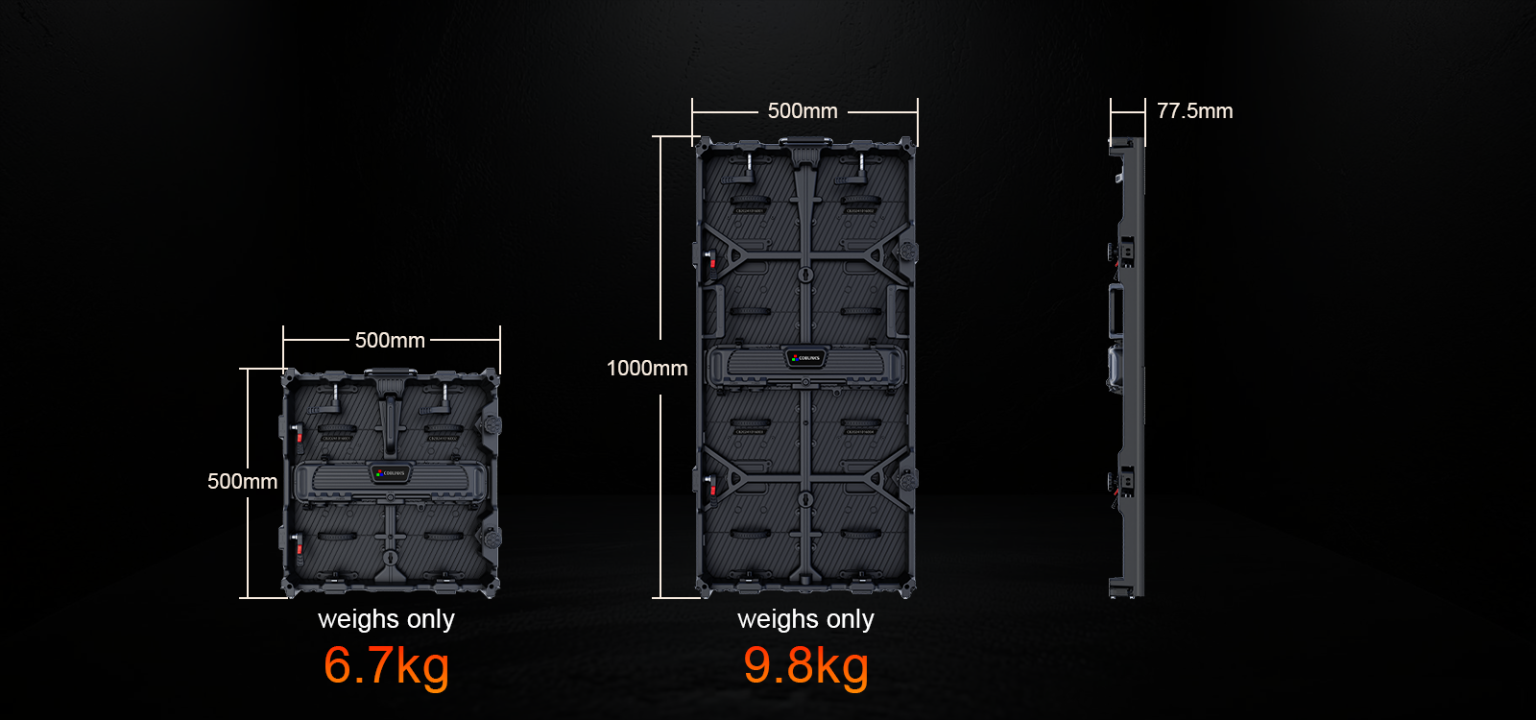
Teams often underestimate structural load, cabling complexity, and sunlight. A too-heavy module can require extra framing; sunlight-facing walls call for anti-glare finishes and higher nit ratings. Don’t skip a field test: run continuous playback for several days to verify refresh and heat behavior. Maintenance contracts matter—ensure replacement lead times for modules and specify mean time between failures. And avoid mixing panel models on a single wall; differences in color temperature and bezel width create visible seams.
Alternatives and trade-offs
If budget or context rules out a full LED wall, consider blended solutions: a tiled video wall with narrow-bezel LCD panels for indoor corporate screens, or a smaller marquee LED for outdoor wayfinding. Each alternative trades off brightness, viewing angle, and longevity. LED wins for high-impact outdoor visibility; LCD can be more economical indoors where ambient light is controlled. Choose based on measured viewing conditions rather than brand buzz.
Real-world anchor
Look at Times Square or Piccadilly Circus for a clear illustration: coordinated LED panels there sustain high-visibility messages under intense sunlight and traffic volumes, proving that pixel pitch, brightness, and structural planning are not academic—they shape performance and return on spend. Industry observers have noted sustained double-digit growth in digital out-of-home formats, which confirms demand for well-executed LED installations.
Common mistakes—quick checklist
– Mis-specified pixel pitch for viewing distance. – Inadequate thermal planning leading to premature failure. – No content template, causing scaling artifacts and inconsistent brand display. —
Advisory: three critical evaluation metrics
1) Visual fidelity: Use a simple metric—measured pixel pitch and color calibration tolerances—so you get crisp images at your intended distance. 2) Environmental resilience: Confirm IP rating, operating temperature range, and tested thermal cycles to reduce downtime. 3) Serviceability and total cost: Evaluate replacement lead times, spare module strategy, and warranties; initial price alone doesn’t show lifecycle cost.
Final thought
When you assess LED solutions for corporate spaces, blend technical specs with practical site checks and content planning. The right LED panel wall becomes the backbone of your visual identity, not just another screen. Coblinks. Strong visual systems start with sensible choices—this is where good planning pays off, every time.