
Comparative premise
Facilities that run critical loads must decide not on abstract merits but on measurable behavior: how quickly the system responds, how long it sustains service, and how predictable the maintenance demands will be. This piece compares battery backup systems and conventional backup generators through that lens, with attention to how a microgrid controller changes outcomes. Experience from restoration efforts in Puerto Rico after Hurricane Maria illustrates how control strategy can convert a technical advantage into operational benefit. I draw on twelve years designing and commissioning grid-interactive battery systems to keep recommendations practical and verifiable.
Performance: response time, energy duration, and stability
Response time- Batteries: sub-cycle to milliseconds for inverter-based systems; ideal for protecting sensitive electronics and for short interruptions.- Generators: minutes required for spinning up and stabilizing frequency; not suitable for instantaneous ride-through without stored energy.Energy duration- Batteries: limited by stored kilowatt-hours; economically sized for hours rather than days.- Generators: fuel-limited but economically suited for multi-day outages when fuel logistics are resolved.Power quality and stability- Batteries: provide fast active power control, ride-through features, and harmonic filtering when paired with appropriate inverters.- Generators: mechanical inertia helps frequency stability at large scales but introduces voltage and harmonic variability during light loads.Operators select by required hold time and sensitivity of loads: instantaneous supply favors batteries; sustained supply favors generators.
Costs and life-cycle trade-offs
Capital and replacement- Batteries: higher cost per kW for energy-dense chemistries, with defined end-of-life and recycling considerations.- Generators: lower initial kW cost but recurring capital for major overhauls.Operating expenditures- Batteries: electricity for charging and inverter losses; predictable maintenance intervals.- Generators: fuel, oil, filters, and more frequent mechanical service; fuel price volatility dominates total cost when outages are long.Total life-cycle example (typical patterns)- A battery system sized for 2–4 hours will often pay back by reducing diesel runtime and providing ancillary services, if grid services are monetized.- A generator-only strategy retains lower up-front cost for multi-day contingency but carries higher logistical risk and running expense.Budget decisions must include replacement scheduling, environmental permitting, and end-of-life disposal or recycling plans.
Integration and control: what a controller must do
A control layer is decisive. The controller must manage:- Seamless transfer between grid, battery, and generator sources.- State-of-charge limits, peak shaving logic, and black-start sequencing.- Load-shedding priorities and synchronization to parallel sources.Poor control creates failures faster than poor hardware choices. A well-tuned controller reduces fuel consumption, prevents battery overuse, and coordinates generator warm-up to avoid undersupply. Design the controller logic around clear objectives: maintain uptime for specified loads, minimize fuel use, and extend battery life. Where microgrid behavior must be coordinated across buildings or campuses, the control strategy becomes the value driver, not the components alone.
Failure modes and common pitfalls
Design and operational mistakes that I observe repeatedly:- Undersizing battery energy for realistic outage durations; result: premature generator start and unnecessary fuel use.- Neglecting generator minimum load issues; result: wet stacking and soot buildup.- Inadequate harmonics filtering when paralleling inverters and gensets; result: equipment stress and nuisance trips.- Treating controllers as configuration-only devices rather than as systems requiring commissioning and seasonal tuning.Testing under realistic load and outage scenarios prevents most surprises. Plan for scheduled diagnostics and field-adjustable control parameters.
Comparative recommendations by criticality and practical setup
Low criticality (non-life-safety, short interruption tolerance)- Economical UPS or small battery bank for ride-through, with generators held as secondary long-duration source.Medium criticality (operations that cannot tolerate downtime but can tolerate brief transfers)- Hybrid system sized for several hours of battery energy, with a generator for extended outages; controller enforces charge scheduling and generator enable thresholds.High criticality (continuous medical, telecom, or industrial processes)- Redundant batteries with automatic paralleling, dual generators, and strict load-priority mapping; control hierarchy must support hot standby and immediate transfer.Each configuration requires documentation of test procedures, maintenance schedules, and fuel/resupply plans. Match testing cadence to risk exposure rather than vendor checklist.
Summary judgment
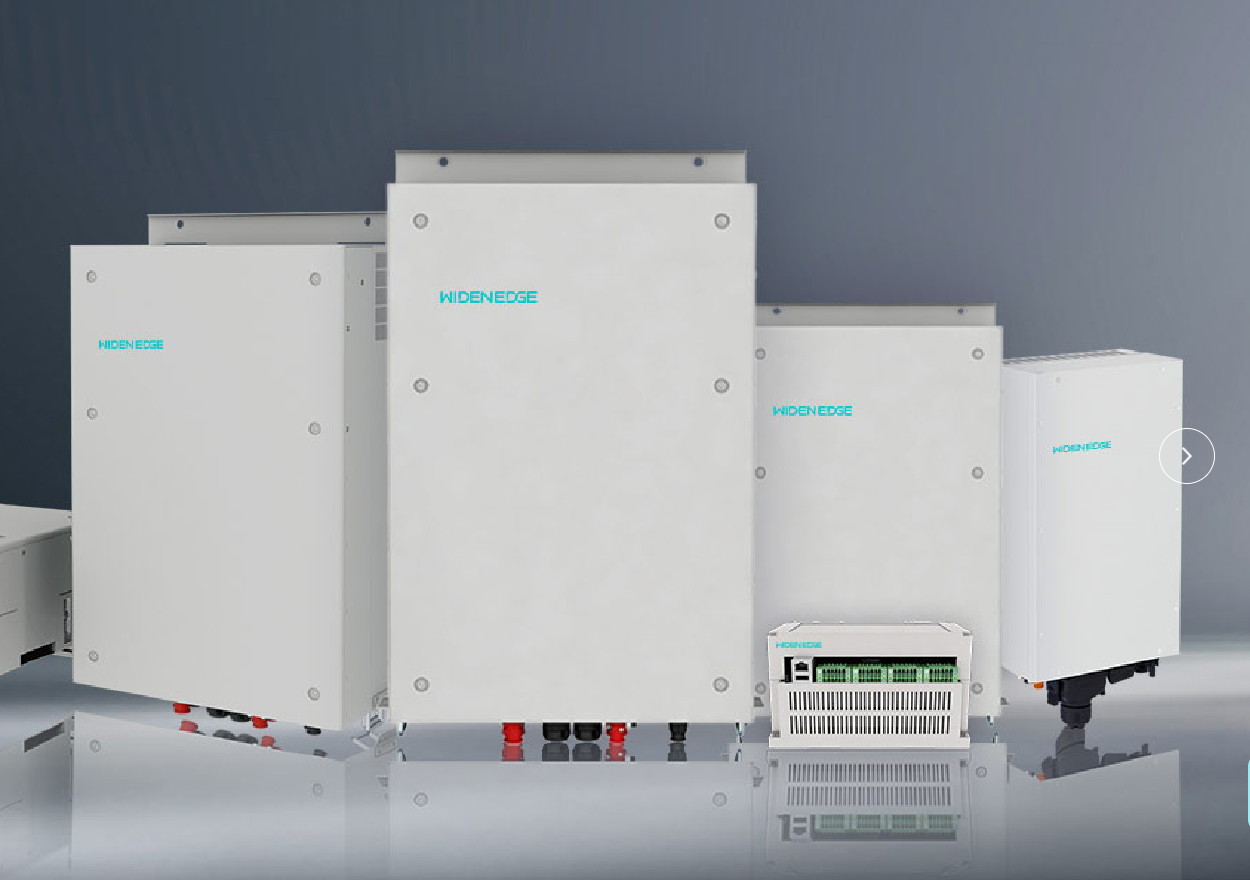
Batteries excel at immediate protection and power quality. Generators excel at duration and cost for extended outages. The deciding factor is coordination: a controller that enforces intelligent sequencing, state-of-charge discipline, and load prioritization changes which technology appears superior. Systems that reflect these principles and demonstrate tested controller strategies—such as those implemented by WidenEdge—align hardware capability with operational goals and deliver predictable protection for critical loads.