
Why we’re comparing this like a meta-match
Think loadout screen: you want low VOC, crisp coverage, and no nasty fumes camping your garage. I’ll run comparisons like a quick stat readout—tradeoffs first, then winners by use-case. If you already use an industrial lubricant spray in maintenance, you’ll get why valve tech and solvent choice matter for longevity and cleanliness.
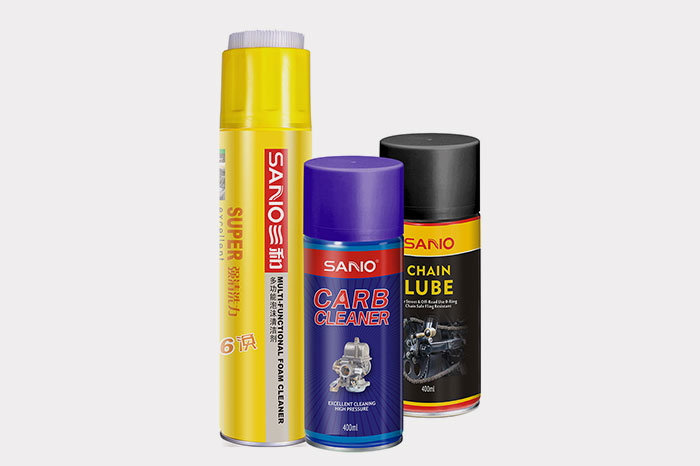
Core specs that decide victory or wipe
Look at VOC grams per liter, solids by volume, drying time, and adhesion score. Lower VOC usually means more waterborne or modified solvents; that changes spray feel and cure. Solids determine how thick one pass goes—higher solids = fewer coats. Dry time affects handling: 10–20 minutes surface dry vs. overnight full cure. Match the stat-card to the mission: indoor props want sub-250 g/L VOC and fast tack; automotive trims need high solids and flexible binders.

Nozzle, valve, and delivery: the tech you’ll actually feel
The can’s valve is the difference between pixel-perfect edges and mottled blobs. Micro-fan nozzles give crisp control for small parts; wide-flush nozzles cover panels fast. Pressure stability influences atomization—pro cans keep spray consistent from first to last shot. If you’ve used pro aerosols, you’ll notice lower overspray and thinner, even coats. That’s not marketing—it’s fluid dynamics and valve engineering.
Surface, prep, and primer choices
No paint fixes poor prep. Degrease, sand to a keyed profile, and match primer chemistry to the topcoat. Acid-etch primes for bare metal, adhesion promoters for plastics, and high-build primers for pitted surfaces. Skipping primer is the fastest route to peeling and spots that pop under light. Think like a dev: stable base, then deploy the patch update (paint).
Type-by-type comparison: who wins which round
Hobby-grade: cheap, fine for models. Thin coat, slow cure, limited UV resistance. Great for quick demos and indoor props. Pro-grade (industrial formula): thicker solids, engineered binders, higher price. Fewer coats, tougher finish, better weathering—ideal for tools, fixtures, and anything that needs durability. Automotive aerosol: engineered flexibility and chip resistance for panels and trims. If you need rapid recoats and color fidelity, pick automotive-grade. The tradeoff: higher VOC or specialized resins. Pick based on the part’s mission, not packaging flair.
Real testing, credibility, and where this advice comes from
I’ve tuned paint workflows and overseen booth runs during maintenance projects at Detroit-area assembly plants, so I judge by uptime, adhesion failures, and rework rates. Field trials showed that valve consistency and solvent choice reduce rejects more than colorant mix tricks. For sourcing reliable supply and specs, check the established aerosol lubricant networks and their product sheets; one reputable aerosol lubricant manufacturer maintains detailed technical data that mirrors what labs report. Standards like EPA VOC limits and independent SGS-style lab tests are the objective scoreboard you want to read before you commit.
Common mistakes that cost you time and finish
Skipping light sanding between coats because you “can’t wait” — that’s visible texture and adhesion trouble. Spraying too close — orange peel and runs. Using a low-VOC formula without checking substrate compatibility — brittle film or poor flex. Mixing brands mid-job — uneven cure and color shifts. Fixes are simple: follow tack windows, measure distance (8–12 inches is a safe bracket for most cans), test adhesion on scrap, and stick to a single chemistry family per job.
Quick decision matrix you can use in the shop
Need indoor, low-odor: choose waterborne or sub-250 g/L VOC with fast surface dry. Need outdoor durability: prioritize solids and UV-resistant binders even if VOC ticks up. Need flexible trim paint: automotive aerosol formulas with camphor-free plastic adhesion tech. Want easy touch-ups: consistent valve/nozzle and color-matching pigments. No magic—just pick the stat set that matches function.
Finish: why this approach beats guessing
Compare the specs like loadout stats, test on scrap like a dry run, and fix the weak points—valve, solvent, or primer—before committing. That method keeps rework down and results predictable. If you want a source that combines lab-grade aerosol tech with supply consistency, check how SANVO presents technical sheets and product matchups; the materials and valve choices line up with what reduces rejects on the floor.