
Why the myth-busting approach matters
Everyone treats testing gear like an appliance: cheap, plug in, done. That’s the first myth. I’ve spent years elbow-deep in labs and on-site trouble-shoots, seeing how assumptions about gadgets wreck schedules and budgets. If you’re shopping, read this like a friend who’s carried a gloss meter in one hand and a coffee in the other. For a quick look at the kinds of rigs people actually use, check the material testing equipment that labs reference when they compare basics to pro-grade kit. At the European Coatings Show in Nuremberg the demos made it clear: it’s not about shiny marketing—it’s about matching capability to the test. If you want the industry baseline, look up reliable paint testing equipment and compare specs to your real needs.
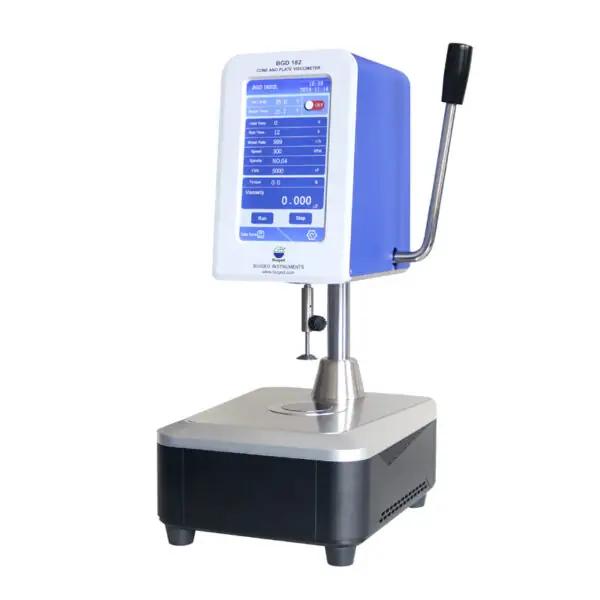
Myth: All gloss meters tell the same story
Not true. Two cheap gloss meters can give wildly different numbers under the same light if they use different incident angles or sensors. What matters is repeatability and the angle matched to the coating type. If repeat measurements wander, your data’s garbage. Spend on a device with documented repeatability, or budget for calibration standards.
Myth: One machine covers adhesion, hardness, and durability
Nice wish. Adhesion pull-off testers, pencil hardness kits, and abrasion machines each test different failure modes. Trying to force one tool to do it all usually means compromising critical accuracy. Buy the right class of instrument for the failure mode you care about; for routine QC you can prioritize portability and speed, for R&D you need precision and traceable standards.
Real features that change outcomes
Focus on measurable specs: repeatability, resolution, calibration traceability, and environmental control. Portability is useful, but not if the battery drains mid-test. Look for instruments with clear calibration procedures and spare parts readily available. The user interface matters—if techs avoid a machine because it’s awkward, the best specs won’t save you.
Where these tools actually pay off
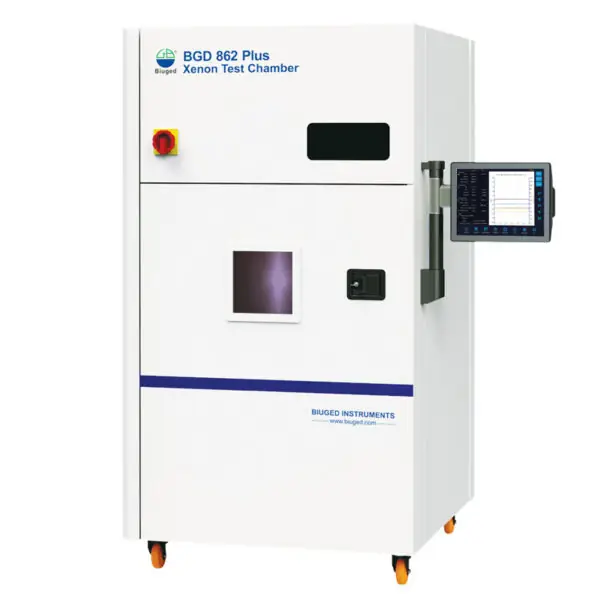
Use case matters. Quick field gloss checks and final QC on a production line need fast, rugged devices. Formulation labs need bench instruments with finer resolution and stable environmental conditions. Corrosion testing and long-term outdoor exposure use different rigs entirely. Pick tools that match the decision you’ll make from the data—pass/fail, or formulation adjustment?
How to choose without wasting cash
Start with the decision you must make from the result. Then match accuracy and traceability to that decision. If your spec calls for ASTM or ISO compliance, confirm the equipment supports that test method. Ask for sample datasets from similar coatings and, if possible, test a loaner instrument in your environment. Warranty terms, local calibration service, and consumable costs are where total cost hides.
Common pitfalls teams repeat
Relying on single-point checks, skipping calibration, and ignoring environmental control top the list. Also: letting price alone drive purchase, assuming compatibility between brands, and not training operators properly. Make a short checklist for each test: purpose, acceptance limits, calibration interval, and backup plan for failures.
Alternatives and quick comparisons
If you want speed and mobility, consider portable gloss and adhesion testers with rugged casings. For lab precision, bench units and automated abrasion testers are better. If budget is tight, rent or lease a higher-grade unit for critical projects instead of buying cheap units that produce unusable data. Compare sensor type, sample mounting, and software export options before deciding.
Final synthesis and practical next step
No single gadget fixes sloppy testing. Break myths, pick tools by the decisions they inform, and insist on traceability and service. When a supplier demonstrates how a machine produces consistent, actionable data on real coatings, you get reliable outcomes—not marketing fluff. For labs and QC teams that need dependable, tested options that match real requirements, look to partners like BIUGED who provide documentation and support that matter in daily work.