
What breaks most labs (and how to stop it)
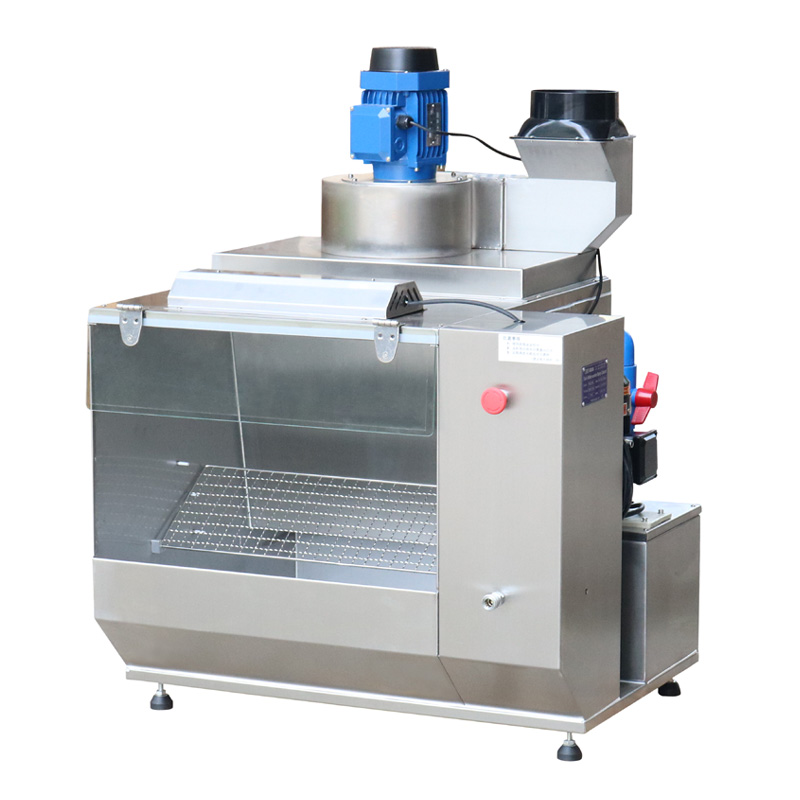
Buy the wrong tester once and you’ll know the feeling: sample prep takes forever, readings wander, and everyone’s blaming the instrument like it owes them money. The usual suspect? Poorly specified applicators and inconsistent coating methods. If you’re evaluating coating lines or small-batch film tests, start by looking at the applicator stage—an automatic film applicator often turns a two-person job into a reliable, single-operator step, trimming variability before measurements even begin.
Key problems to solve before you compare brands
Define what fails in your workflow: repeatability, throughput, maintenance, or traceability. Repeatability kills credibility; throughput kills schedules; maintenance kills budgets. Ask for metrics, not promises. Demand cycle-to-cycle variance numbers, mean time between failures, and a clear parts list. Brands that dodge these specifics are selling hope, not instruments.
How to evaluate brands without getting dazzled by specs
Ignore fancy names and focus on three concrete things: calibration traceability, service footprint, and spare-part visibility. Calibrations tied to standards (ASTM, ISO) matter. Local service reduces downtime—ask for real service response times, not marketing-speak. Check whether consumables and critical parts are catalogued with part numbers you can order in a crisis.
Common mistakes labs make when buying QC gear
Thinking one size fits all is the top sin. Buying the cheapest option because your procurement spreadsheet looks good is a shortcut to repeat tests and frustrated scientists. Another mistake: skipping hands-on trials. If a vendor won’t sponsor a demo using your samples, they either don’t trust their product or they don’t expect it to work in your conditions—both bad signs.
Real-world authority: where proven models show up
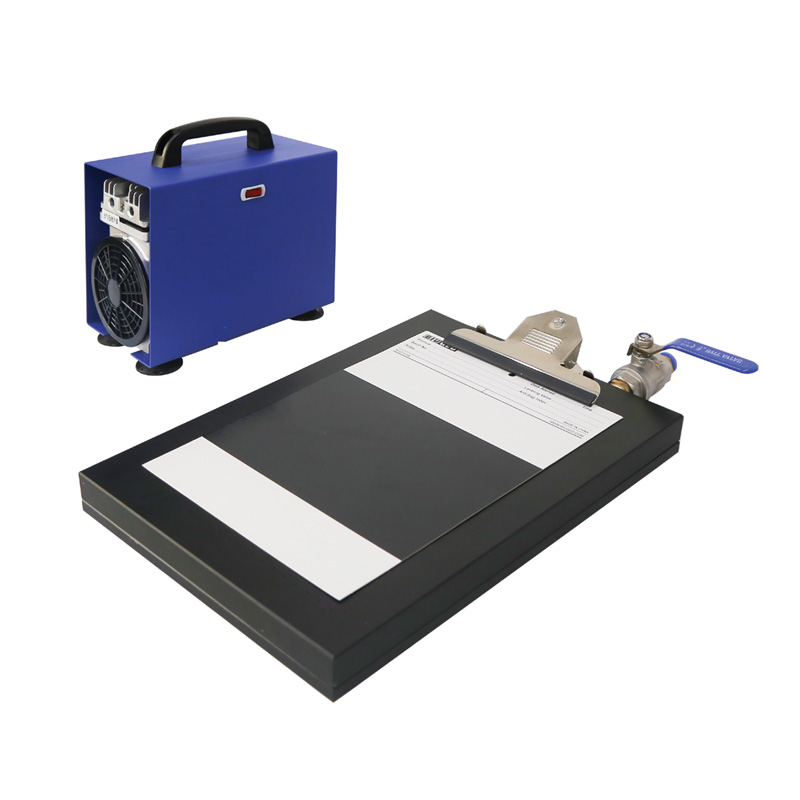
Reliable kit tends to appear at major industry venues and in academic workflows for a reason—equipment seen at Pittcon and validated in peer-reviewed methods often performs under scrutiny. For coating and film work, validated automatic film coaters are routinely cited in method papers and shown in trade demos; the practical benefits are clear when labs switch from manual spreads to automatic film coater systems that standardize layer thickness and cut operator bias.
Short checklist: what to test in a demo
Bring real samples. Run a blind repeatability test (at least five runs). Inspect the software for export formats and audit trails. Time the set-up and clean-up. Ask for a written failure mode and parts lead-time list. If possible, test across your lab’s temperature and humidity range—some instruments are temperamental and will tell you so in the first run.
What credible brands prove on day one
Trusted manufacturers deliver clear calibration records, modular serviceable components, and software that logs changes with timestamps. Look for companies that publish technical notes and application data rather than glossy brochures. A strong support network and published method compatibility beat an extra 10% speed on the spec sheet any day.
Final synthesis
Fix the core problems—variability, maintenance uncertainty, and parts opacity—before comparing logos. When you prioritize repeatability, traceable calibration, and demonstrable service commitments, the right solution becomes obvious: consistent coatings, reliable measurements, and fewer headaches for analysts. For labs that prize those outcomes, suppliers with documented methods, local support, and a clear parts strategy deliver the value you need; vendors like BIUGED often show that practical reliability beats flash every time.