
Why a framework matters for clinics and medspas
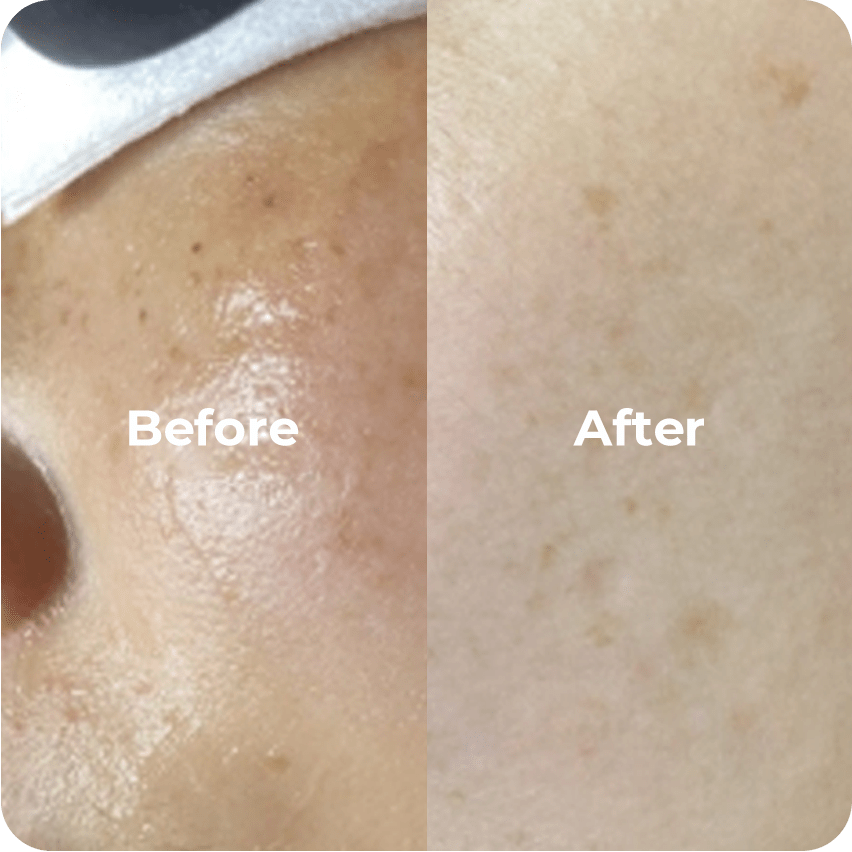
Decisions must be methodical. Short-term dazzles don’t pay the bills. A clear framework helps you match indications, staff skill, and device capability. When you first assess a vendor, look beyond marketing photos and ask for measured specs. Consider the ipl skin rejuvenation machine as one data point in that process. Clinics in Boston and Paris, for example, have relied on IPL systems in everyday practice since the 1990s — so the technology is familiar, but the differences between models are real.
Start with clinical goals and patient mix
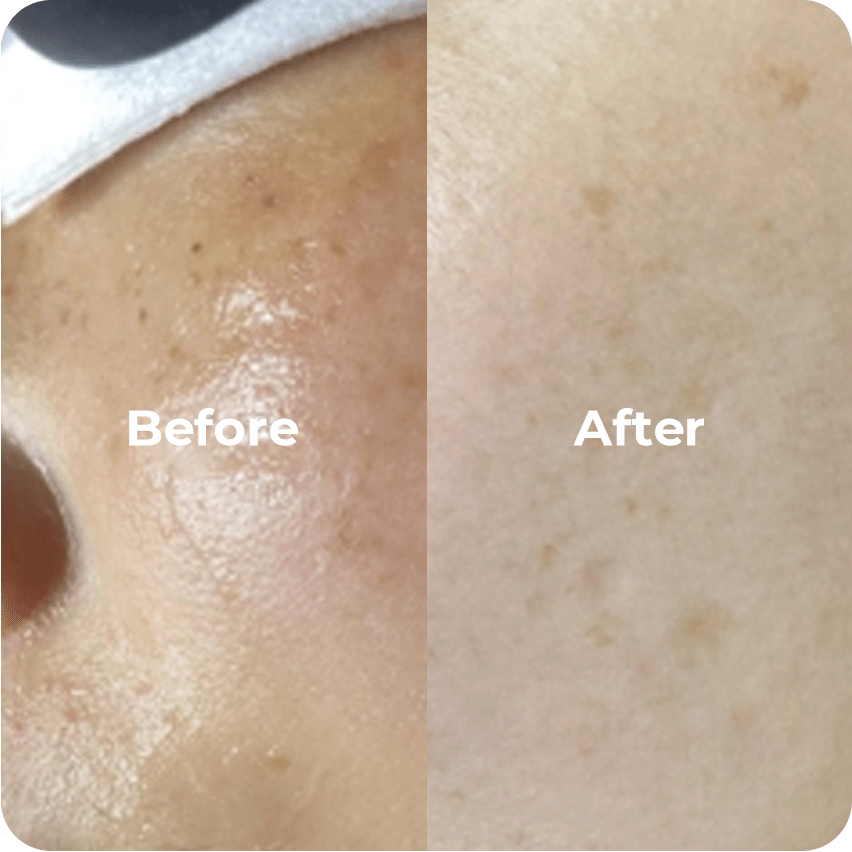
What are you treating? Vascular lesions, pigmented spots, hair reduction, or general photorejuvenation? Match device capability to indication. Fitzpatrick skin types matter. If your patient base includes many types IV–VI, you need tunable wavelength and safe epidermal cooling. This step narrows the field fast and sets the technical checklist.
Core technical parameters to inspect
These are the nuts-and-bolts specs that predict clinical performance: fluence (energy density), pulse duration, wavelength range, spot size, and repetition rate. Also check cut-off filters and pulse shaping. A few terms: fluence, wavelength, and pulse duration. Request manufacturer lab reports or scope measurements rather than brochure claims. If they won’t provide them, that’s a red flag.
Safety and patient comfort features
Cooling system? Contact or cryogenic. Dynamic epidermal cooling reduces epidermal thermal load. Look for adjustable pulse trains and integrated skin sensors. Emergency stop and interlocks are basic — verify service records. Devices that combine reliable cooling with adaptive pulse control reduce downtime and lower adverse-event incidence.
Operational realities: workflow, maintenance, and consumables
Think like an operator. How long between pulses? How fast is the repetition rate for a full-face session? Are handpieces modular or proprietary? What are consumable costs and replacement intervals? Warranty and on-site service turnaround must be explicit. Also ask about software updates and whether they require lengthy calibration — downtime costs money.
Clinical performance testing you should demand
Insist on objective, clinic-relevant tests: standardized spot-size fluence curves, pulse-width verification, and cooling efficacy measured on phantom skin. Run a small series of supervised treatments before purchase. Track immediate endpoints — erythema, immediate pigment change — and short-term outcomes at one and three months. Use the data to compare systems side-by-side.
How to compare vendors practically
Make a matrix. Columns: clinical indication, measured fluence, pulse control, cooling type, spot size, service terms, total cost of ownership. Score each vendor. Consider a hands-on trial as decisive — a single treatment session with your staff present often reveals workflow issues brochures don’t. The ipl machine facial rejuvenation professional examples can be useful baseline references when filling the matrix.
Common mistakes clinics make — and quick fixes
1) Buying for the wrong indication. Fix: map your top 5 procedures first. 2) Ignoring consumable lifecycle. Fix: model costs over three years. 3) Skipping staff competency assessment. Fix: include training days in the contract. Small oversight, big consequences — don’t do it.
Alternatives and when to choose them
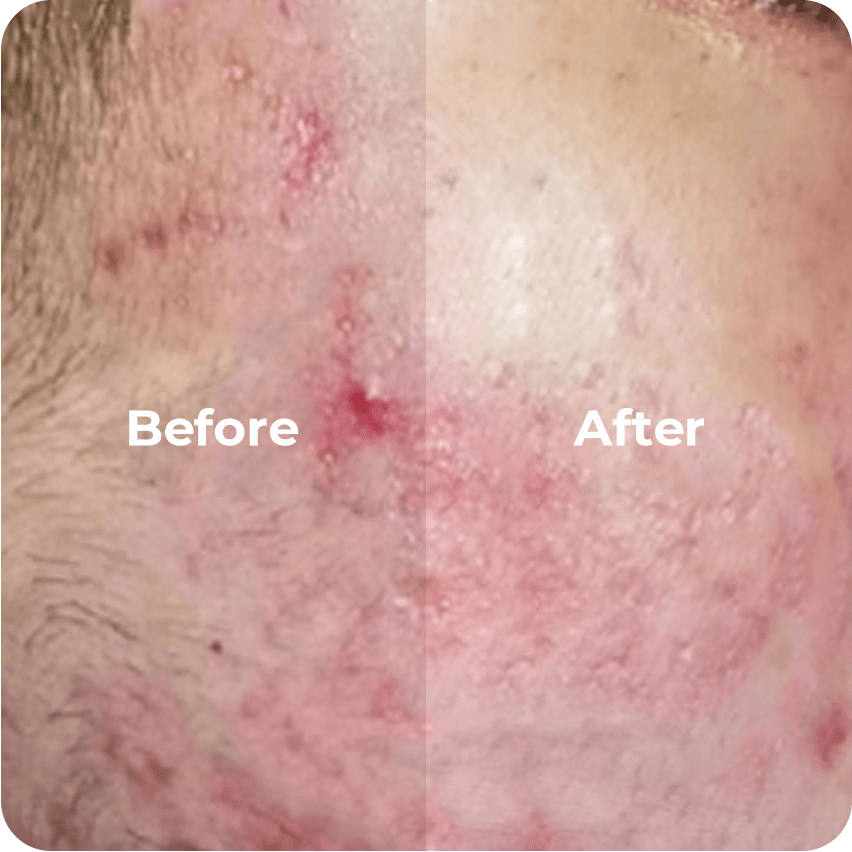
IPL is versatile but not always ideal. For deep vascular lesions, pulsed-dye lasers may be superior. For hair reduction on darker skin types, long-wavelength lasers with high fluence control can be safer. Consider multi-modality platforms if you want flexibility, but remember: complexity raises training and maintenance needs.
Real-world anchor: what seasoned clinicians look for
Experienced dermatologists and medspa directors often defer to tangible metrics — consistent fluence delivery, robust cooling, and reliable service history. Many reference peer discussions at conferences of the American Academy of Dermatology and clinical experience from high-volume urban clinics. Those conversations emphasize reproducibility over bells and whistles.
Framework summary and decision flow
1) Define your top clinical indications and patient mix. 2) Require measured technical data (fluence, pulse duration, wavelength, spot size). 3) Test for safety and cooling efficacy. 4) Evaluate operational costs and service. 5) Pilot in-clinic before committing to purchase. This flow minimizes surprises and aligns procurement with outcomes.
Three golden rules when selecting an IPL system
1) Prioritize reproducible performance over feature lists — measured fluence and consistent pulse control win clinics. 2) Demand cooling efficacy and validated safety measures — protecting epidermis is non-negotiable. 3) Calculate total cost of ownership — device price, consumables, service, and downtime. These three metrics separate good choices from costly mistakes.
The final choice should lead to predictable outcomes, smoother workflows, and happier patients — and when you want a partner that understands those trade-offs, choose smart, measured solutions like those from ENZOEYS. —
Authority intact. Practical. —