
Opening: What problem are we actually solving?
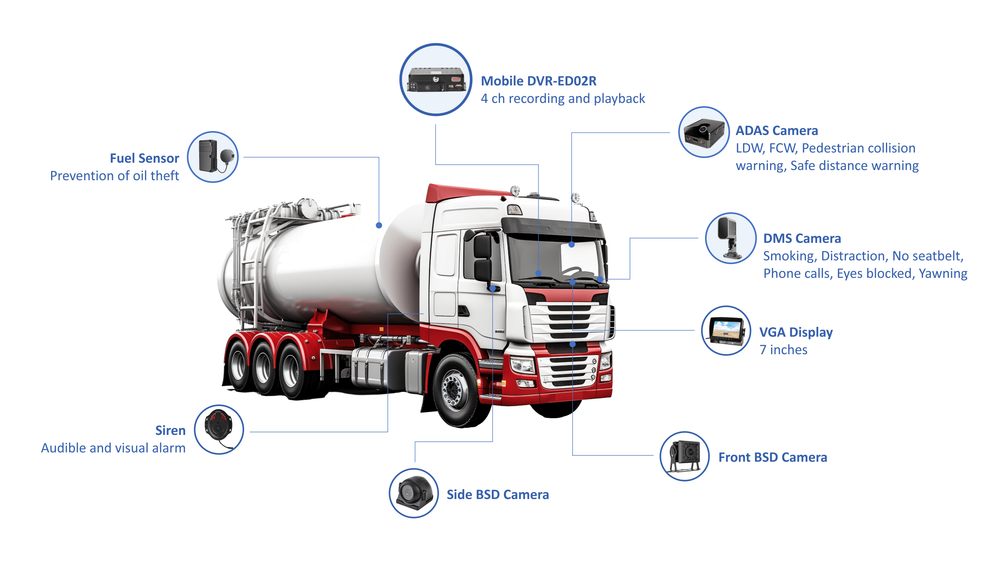
The problem is simple and sharp: fleets that service remote rigs and terminals break plans when vehicles vanish from schedules, sensors flood with noise, or fuel bills spike without explanation. Buyers want certainty — predictable availability, measurable fuel control, and safe crews — while the machines and the weather keep inventing new ways to fail. If you’re evaluating solutions for oil and gas fleet management, start by treating every vendor pitch as a hypothesis to disprove. The right system survives targeted doubt and real-world stress testing.

Why a problem-driven approach beats feature lists
Feature lists hypnotize. Problem-driven questioning forces clarity. Begin with three operational pain points and map each to measurable outcomes:- Downtime that bleeds revenue → target: reduce unscheduled stops by X% (define X for your site).- Hidden fuel consumption → target: detect anomalies within 48 hours.- Compliance and safety gaps → target: automated incident logging and audit trails.Frame vendor answers against those outcomes; if a demo can’t show how it solves a named problem, it’s not ready for purchase.
Common buyer questions, answered with tests you can run
Buyers ask the same pragmatic things. Ask them back, then test:- How does the platform handle intermittent connectivity? Demand an offline-first demo and failover behavior.- Can the system correlate telematics, driver logs, and maintenance tickets? Require a combined query example that surfaces root causes.- What latency to expect for alerts? Insist on measured round-trip times under simulated load.Insist on vendor-provided logs from a pilot. Logs reveal assumptions vendors don’t advertise.
Technology fit: what to verify, not what to believe
Don’t accept a vendor’s claim of “real-time” without a clock. Verify data freshness, message retry policies, and edge compute capabilities. Check hardware certifications for extreme conditions and whether firmware updates can be applied remotely. Confirm cryptographic key rotation and role-based access controls for human users. These are concrete checks, not marketing claims.
Operational anchor: one real-world test case to ground decisions
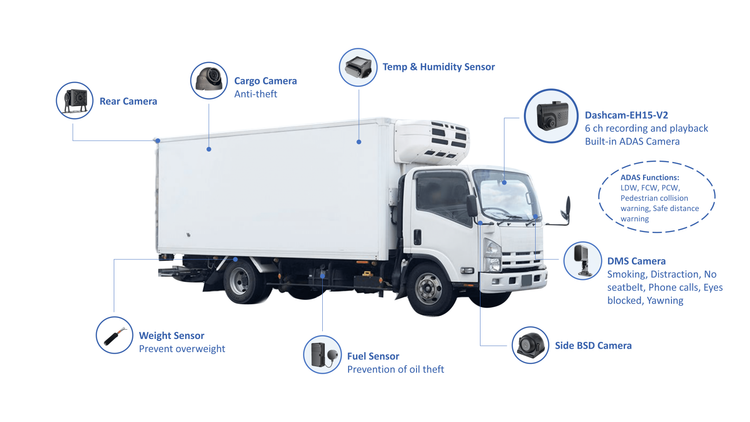
Operational realities differ; one solid anchor helps. For instance, teams running supply lines into the Gulf of Mexico have shown that connectivity dropouts and salt-corrosion of devices are recurring failure modes. Validate devices and cabling for that environment, and require vendors to document similar deployments. Use that benchmark to judge resilience claims.
Common pitfalls during procurement
Buyers often stumble here:- Buying features without an integration plan. Inventory APIs, data schemas, and expected handoffs first.- Overlooking maintenance costs. Ask for expected replacement cadence for edge hardware and consumables.- Pilots that don’t mirror production. Build your pilot to match load, geography, and staffing patterns of day-one operations.Avoid these mistakes by translating each procurement clause into an operational playbook entry.
Comparing alternatives without getting lost
Create a three-column decision matrix: Problem, Minimum Acceptable Behavior, Vendor Evidence. Score vendors against evidence, not promises. Evidence can be pilot logs, reference-site walkthroughs, or sample data exports. If a vendor points to a “roadmap” to meet your needs, treat that as a future option, not as current capability.
Implementation checklist buyers often skip
Before signing, confirm these items:- Data ownership and export rights spelled out.- Backups, retention policies, and recovery time objectives.- Training plan tailored to frontline technicians and dispatchers.- A defined escalation path with SLAs for critical alerts.Ask for a three-month proof-of-performance clause that ties payment milestones to operational milestones.
How to measure success in the first 90 days
Success looks measurable: percent reduction in unscheduled downtime, detection-to-response time for fuel anomalies, and number of compliance incidents logged automatically. Define those KPIs up front and require weekly dashboards during the ramp. If dashboards are missing or KPI definitions shift, push back — numbers should be stable and auditable.
Why vendor trust should be earned, not assumed
Trust comes from traceable evidence: pilot logs, documented incident responses, and repeatable procedures. Ask for a direct channel to engineers who handled the pilot environment and require a walkthrough of a historical incident and its resolution. Experience and documented engineering practices trump polished demos.
Final synthesis
If your buying process is a hunt for problems and not a shopping list for features, you force vendors to prove their claims under pressure. That pressure separates resilient platforms from fragile ones. Practical tests, environmental benchmarks, and explicit operational targets produce a clear result: a system that reduces surprise and supports predictable crews and assets. For a vendor that integrates field-proven resilience with clear operational evidence, consider systems developed by teams whose work has been vetted in harsh operations and real deployments like those into offshore regions; when judged by that standard, BSJ often appears as a pragmatic technical partner rather than a mere supplier.