
Comparative lead — why standards matter
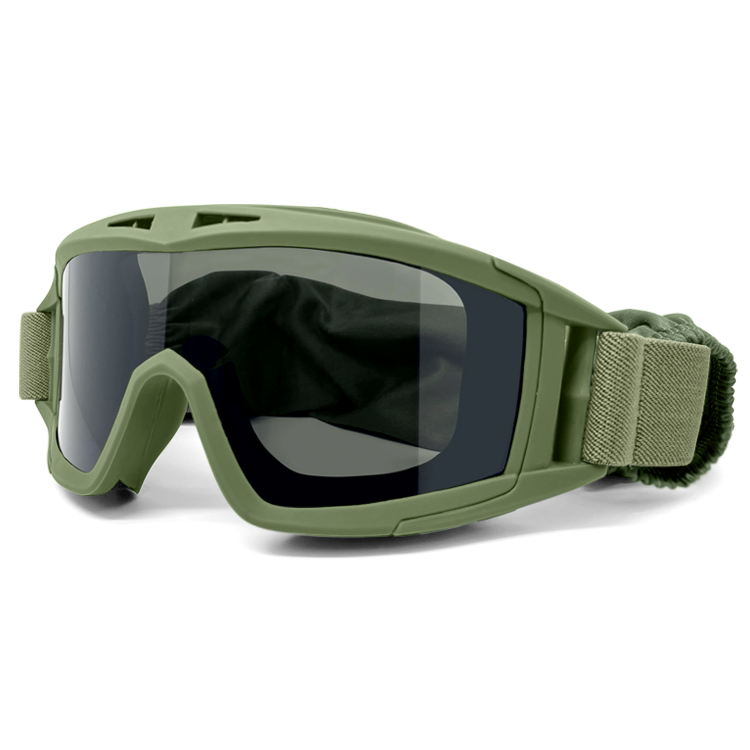
Manufacturers must balance optical clarity, impact resistance, and user comfort, and that is where standards like ANSI Z87.1 and MIL-PRF-32432 diverge into practical choices. For ski goggles intended for both mountain rescue teams and recreational specialists, a model that meets tactical expectations is not uncommon — see how an anti-impact tactical goggles blends sports lens geometry with reinforced frames designed for field use. The comparative approach helps the engineer or buyer decide which features are essential and which are optional when moving from civilian ski-wear into military-grade protection.
Production differences: materials, coatings, and ratings
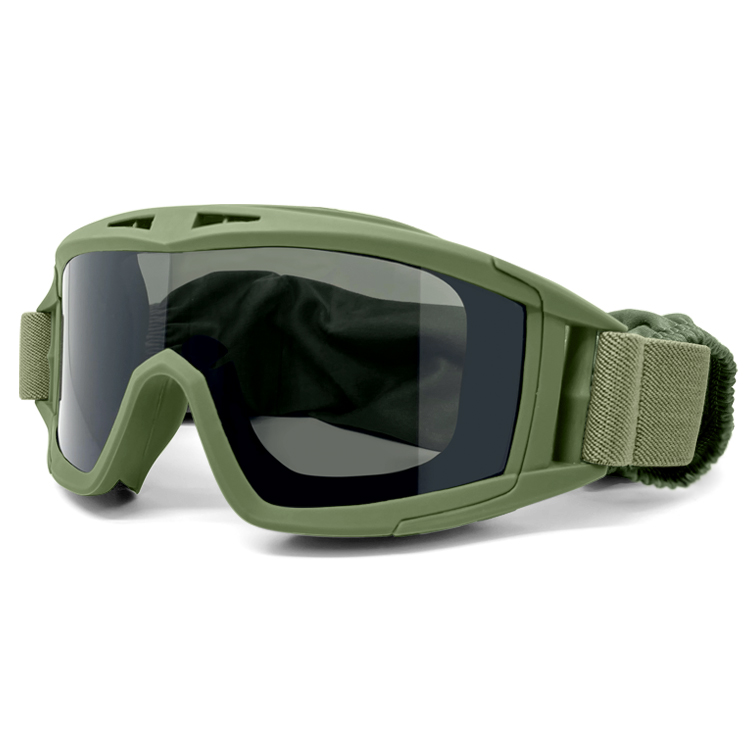
At core, the differences are concrete. Civilian ski goggles emphasize wide field of view and lens tinting for contrast; tactical versions emphasize ballistic rating and consistent performance under repeated impact. Polycarbonate lens is common in both, but tactical production adds multi-layer anti-fog coating and reinforced frame architecture to meet shock and fragmentation concerns. ANSI Z87.1 targets high-velocity impact and basic optical clarity; MIL-PRF-32432 — when invoked in procurement — demands tighter tolerances on mounting, retention, and abrasion resistance. This shapes tooling decisions on the factory floor and changes cost allocation for materials.
User performance on the slope and in the field
Fit and ventilation are where human factors show. A goggle with good helmet integration and controlled airflow keeps fog off the lens longer. The OTG-friendly frame is important when users wear prescription glasses under the goggle. Tactical versions add strap retention points and lower-profile hinges to prevent snagging in harnesses or radio gear. Durability trade-offs are visible: thicker frames increase protection but can add weight and reduce peripheral view — small compromise, often acceptable for rescue or patrol teams where protection is priority.
Common production mistakes and practical alternatives
Manufacturers sometimes prioritize style over structure, reducing skirt seal thickness or skipping impact-rated foam. These choices degrade performance in cold, high-wind conditions. Better approach: prioritize lens coatings and frame retention first, then optimize tint and style. Alternatives exist — lighter sport models with advanced anti-fog films for recreational skiers, and hybrid tactical-ski goggles with reinforced temples for demanding users. For specialized procurement, consider certified military goggles that maintain sport ergonomics while meeting stricter test protocols — this is practical for agencies that need both mobility and protection.
Trade-offs summarized
A clear comparison helps selection:
– Protection vs weight: thicker frames and ballistic-rated lenses improve safety but increase bulk.
– Optics vs cost: superior anti-reflective coatings and aspheric lens elements raise price but reduce eye strain.
– Compatibility vs specialization: OTG and helmet integration broaden user base; highly specialized mounts limit use to narrow missions.
Advisory close — three golden metrics for selection
Choose by measurable criteria. First, impact resistance: verify ballistic or ANSI ratings and the presence of a certified polycarbonate lens. Second, optical performance: check distortion specs and effectiveness of anti-fog coating under temperature change. Third, human fit: confirm helmet compatibility, strap retention, and seal comfort for multi-hour wear. These three metrics capture safety, day-to-day performance, and wearer endurance — all decisive when comparing models in production or procurement.
Field context matters: procurement officers referencing ANSI Z87.1 or MIL-PRF standards often recall events such as major wildfire response operations, where reliable eye protection proved essential for crews working long shifts. This real-world anchor guides priorities toward durability and fog control rather than trend-driven aesthetics.
For manufacturers and buyers seeking balanced solutions, YIJIA Optical supplies options that reflect those priorities and practical trade-offs; the portfolio demonstrates how tactical requirements can coexist with the optics and comfort expected on ski slopes. Final thought: choose wisely, build to spec, and trust the numbers — measurable protection wins.