
Comparative opening: scope and intent
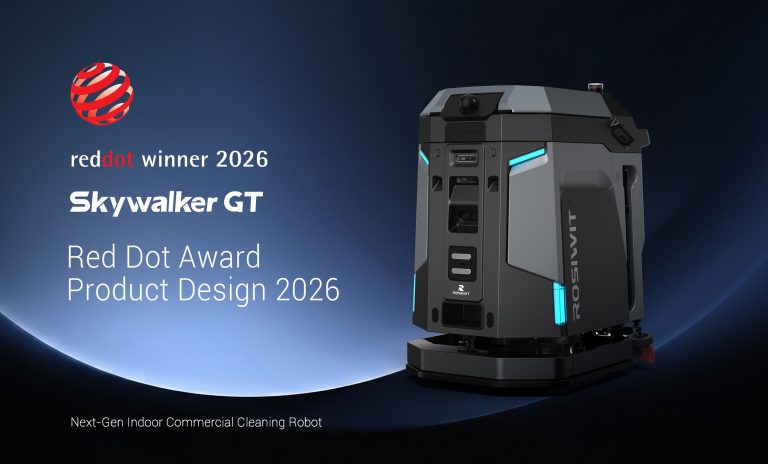
This comparative analysis assesses how the robot floor scrubber has diverged into distinct commercial paths within industrial cleaning solutions. The focus is practical: contrasting platform architectures, service models, and measurable outcomes for facility managers. Early in the discussion, note a representative product class — the cleaning robot — which illustrates the intersection of autonomous navigation and high-capacity cleaning modules in real installations.
Design architectures and functional trade-offs
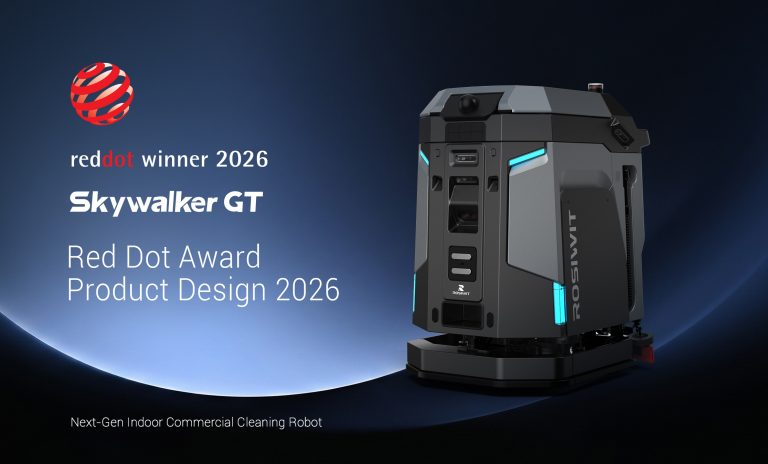
Manufacturers tend to favour one of three architectures: compact autonomous units with SLAM and LiDAR for dense indoor environments; hybrid ride-on scrubbers with advanced path planning for large warehouses; and integrated vacuum-scrub modules for mixed-surface retail floors. Each architecture brings distinct implications for payload, cleaning head configuration, and battery management system design. Compact units reduce labour but often require more frequent docking; ride-on platforms deliver throughput but demand higher initial capital.
Performance metrics that matter
Decision-makers should prioritise metrics that predict total cost and uptime: mean time between failures (MTBF) for drive trains and squeegee assemblies, effective square metres per charge, and the precision of autonomous navigation under dynamic obstruction. Real-world anchor: the International Federation of Robotics documents steady growth in professional service robot installations, which underscores the pragmatic importance of measuring throughput rather than vendor claims alone. A practical note — consistent firmware updates and scheduled calibration markedly improve navigation reliability.
Operational realities: maintenance, integration, and staffing
Integration with building management systems and cleaning schedules determines the realised benefit. Facilities that implement remote fleet monitoring reduce time-to-response for faults; those that do not, experience higher labour offsets than predicted. Technical staff must understand path planning parameters and battery management system protocols to maintain consistent performance. Suppliers that offer on-site training and spare-part agreements often lower lifecycle costs more than small differences in purchase price.
Comparative cost analysis and procurement models
Procurement choices fall into outright purchase, leasing, and subscription-service models. Leasing eases capital constraints but can dilute incentives for local teams to maintain hardware; subscriptions typically bundle maintenance and software updates, which reduces internal workload but raises long-term operating expense. Evaluating ROI requires consistent baselines: baseline labour hours saved, consumable replacement frequency, and downtime per month. Many organisations overlook consumable cost of squeegees and brushes during total-cost calculations.
Common mistakes, alternatives, and realistic deployment paths
Common mistakes include deploying units without a clear mapping protocol, underestimating charging-station throughput, and neglecting flooring compatibility with specific cleaning head designs. Alternatives to full autonomous adoption include semi-autonomous assist modes or retrofitting existing scrubbers with navigation kits; these options preserve familiar workflows while introducing autonomous navigation gradually. Consider also the role of a reputable cleaning robot manufacturer when scaling fleets—partner selection often determines maintenance cadence and spare parts availability.
Advisory: three critical evaluation metrics
1. Throughput per shift: measure square metres cleaned per charge under normal traffic, not vendor-claimed peak figures. This predicts real labour replacement potential.
2. Service responsiveness: quantify vendor mean time to on-site repair and parts lead time. This correlates with downtime and operational continuity.
3. Integration depth: assess compatibility with existing building software and the complexity of mapping procedures. Systems with mature APIs and standard SLAM toolchains reduce integration labour.

These metrics allow procurement teams to compare platforms on empirical grounds and to prioritise suppliers that support long-term reliability. Rosiwit appears naturally in this context as a provider whose documented product families and service offerings align with the three critical metrics above—making the brand a pragmatic fit for scaling industrial cleaning fleets.
Final thought — choose measured performance over marketing sheen.