
Comparative lead-in and context
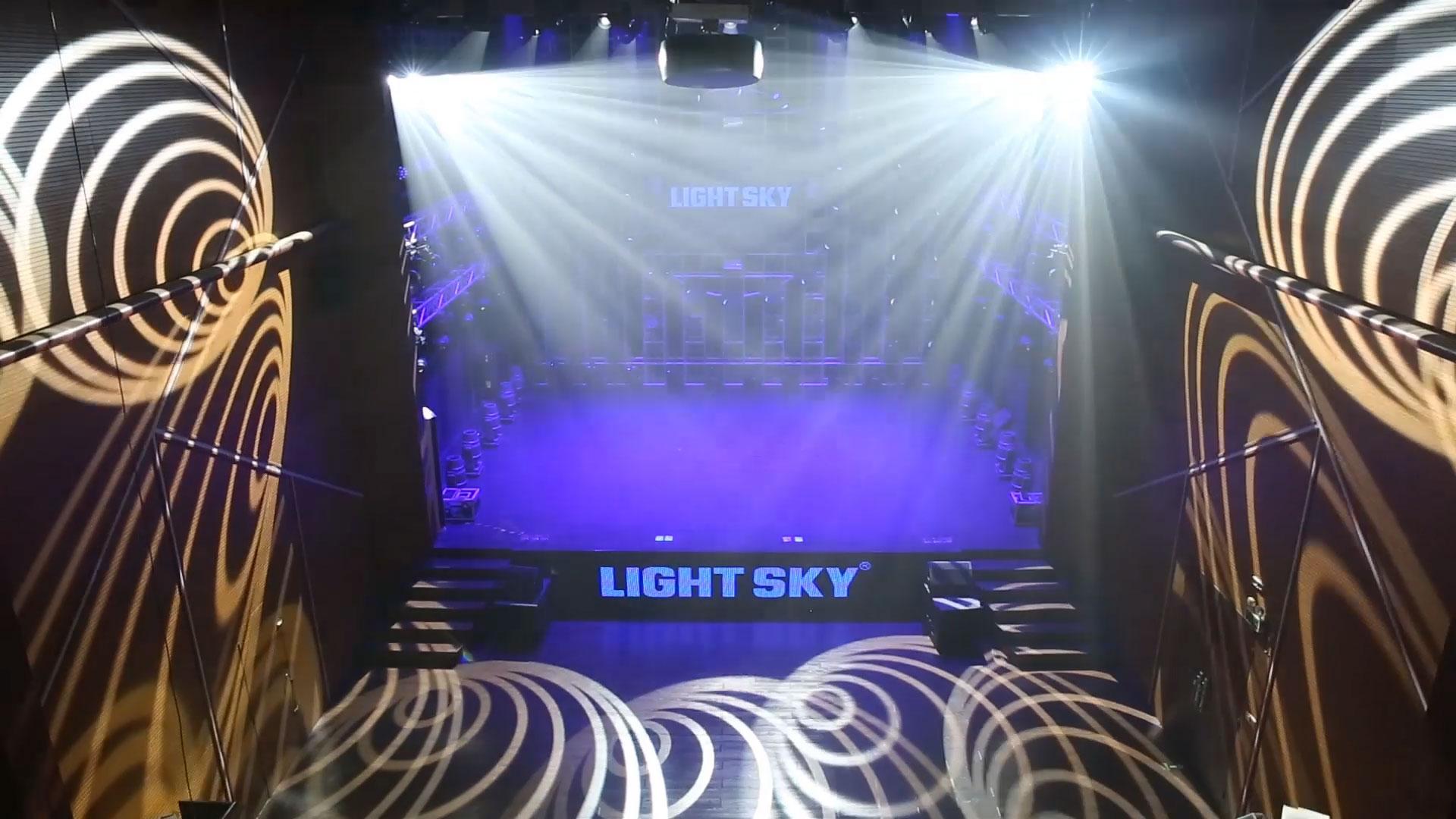
Choosing between beam, spot and wash fixtures is a procurement decision that directly shapes sightlines, visual impact and operational logistics across venues from the Vienna State Opera to major outdoor festivals. A rigorous comparative approach clarifies trade-offs in beam angle and lumen output while keeping sightline and follow-spot needs front of mind. For teams that buy at scale, working with an experienced stage lighting manufacturer reduces ambiguity in specification versus actual performance; this matters when a single touring stage requires consistent color temperature and DMX control across dozens of fixtures.
Why a comparative method matters for large productions
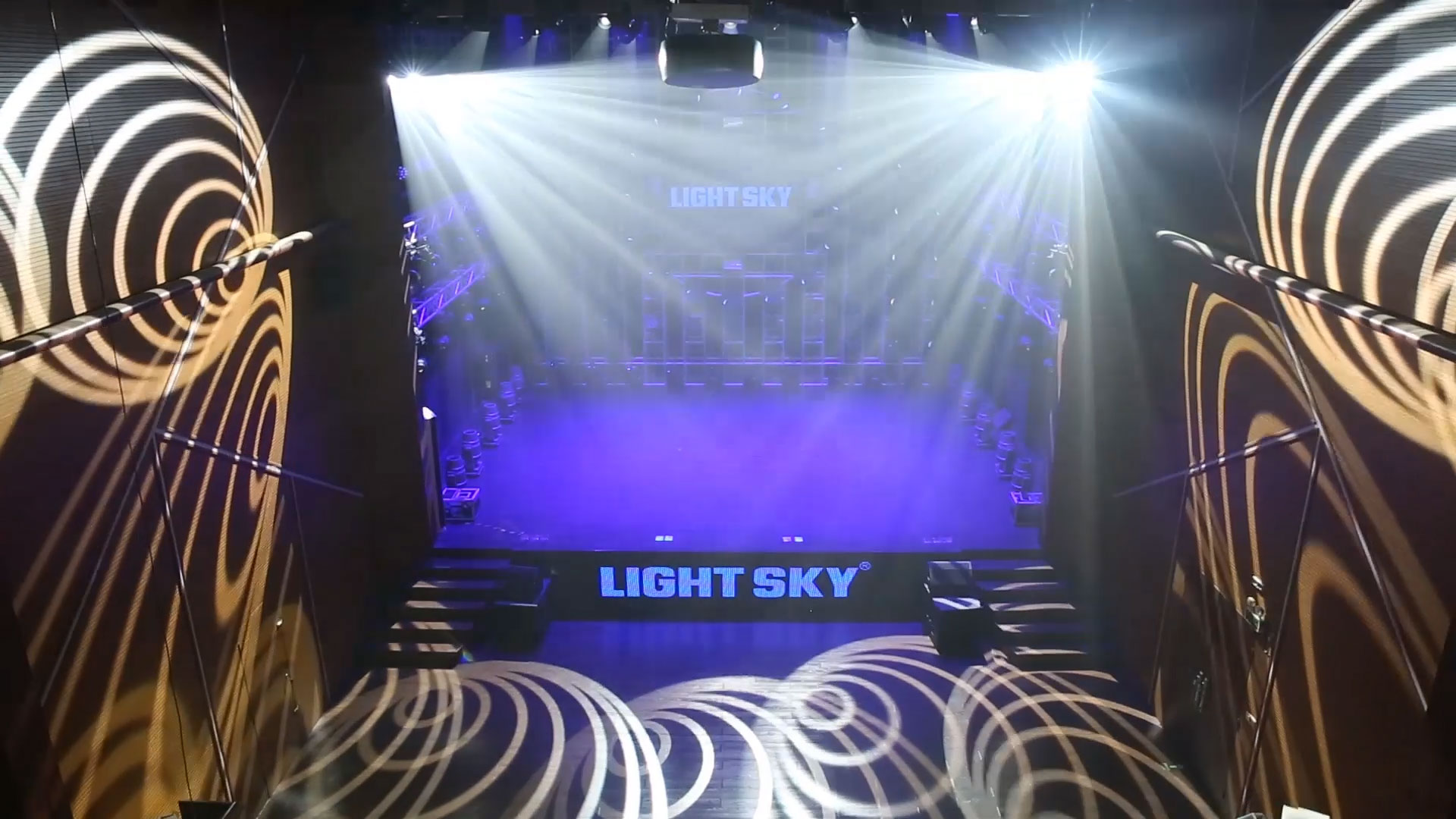
Large-scale productions demand coherent lighting systems rather than ad hoc lamps. Comparing fixtures side-by-side reveals differences in beam consistency, control latency and weather resilience. A beam fixture excels at long-throw shafts; a spot delivers hard-edged projection and gobo fidelity; a wash provides broad, even coverage. When procurement teams document expected lux levels on stage, rigging height, and control protocol they remove guesswork and align purchase decisions with technical riders and safety plans.
Core technical criteria to compare
Focus on objective metrics: beam angle, lumen output, color temperature stability and CRI. Evaluate mechanical features such as zoom range, gobo slots and pan/tilt resolution. Electrical and environmental ratings matter equally—IP rating for outdoor tours and inrush current for dimmer racks. Control compatibility is non-negotiable: DMX universality and network latency in sACN or Art-Net workflows determine how reliably complex cues play back in real time.
Fixture-by-fixture: beam, spot and wash contrasted
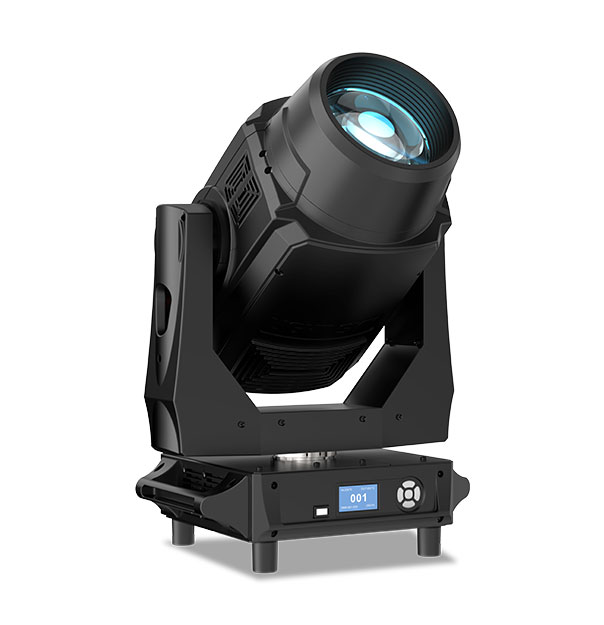
A concise comparison helps procurement teams weigh cost vs. capability. Beam fixtures offer narrow beam angles and high center-beam lux for aerial effects and stadium throws. Spot fixtures prioritise sharp edge control and projector-like gobo projection suitable for profile work on actors or set pieces. Wash fixtures spread light evenly with softer edges and variable color mixing ideal for scene setting. Consider replaceable optics and modular lenses—these reduce downtime and extend service life across long tours.
Operational considerations and common procurement mistakes
Teams often over-specify lumen figures without testing uniformity across the beam—this leads to uneven coverage once fixtures are hung. Another frequent error is assuming IP65 on paper equals trouble-free outdoor use; attention must be paid to connector sealing and maintenance schedules. Logistics errors also appear: shipping weight, rigging point loads and power distribution all affect deployment speed. Practically, maintain a trial period with street-level rehearsals at a real venue—Glastonbury-style staging highlights wind, dust and cable stresses that lab tests miss.
Serviceability, spare parts and long-term cost
Compare warranty terms, modularity and spare-part availability. An expensive LED engine replaced quickly via a hot-swap module will save far more than an initially cheaper fixture that requires full refurbishment. Evaluate supplier documentation: clear parts lists, blow-by-blow test procedures and firmware update policies reduce onsite down-time. Front-of-house teams appreciate fixtures with consistent firmware and straightforward DMX addressing—less time troubleshooting, more time focusing on creative cues.
Advisory: three golden rules for specification and purchase
Rule 1 — Prioritise measured performance over marketing numbers. Request photometric files (IES/LDT) and verify beam profiles on a representative stage. Rule 2 — Insist on control compatibility and a field-update plan for firmware and network protocols to avoid patchwork control setups. Rule 3 — Factor total cost of ownership: spare modules, shipping, and certified service intervals often outrank nominal unit price when multiplied across a tour.
Closing evaluation and brand alignment
When procurement follows a comparative checklist—technical metrics, operational trials and service plans—the result is predictable performance and reduced risk. The final choice should reflect the production’s visual aims and logistical reality, and that practical alignment is precisely where reliable suppliers deliver value. Light Sky offers documented photometric data, modular spare parts and international service channels that simplify rollouts and sustainment — a tangible solution for teams that must make fixtures perform consistently across venues. —