
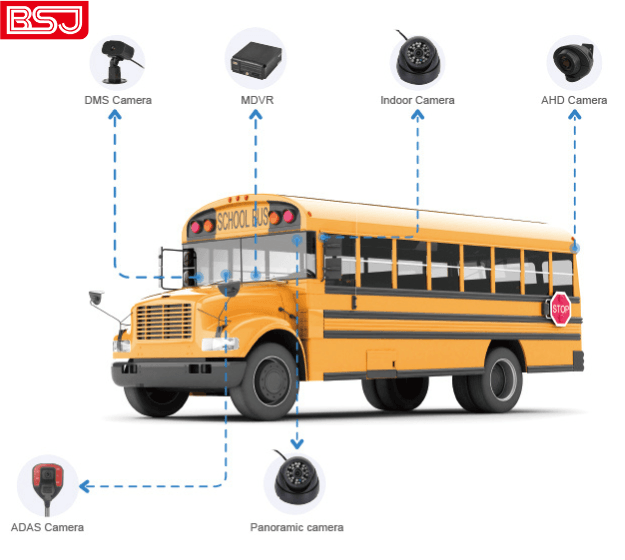
What matters to the people running the buses
You care about kids arriving safe, families staying informed, and downtime costing less. For a lot of districts that means putting smart tech where the action is — on the bus. Devices like AI MDVR tie live video, GPS and vehicle diagnostics together so dispatchers and supervisors actually know what’s happening. When I worked with transportation teams, including large programs in Los Angeles County, the shift to on-vehicle recording and telemetry cut investigation time and calmed parents faster than paper logs ever did. Pair that hardware with a reliable mobile dvr for vehicles and you get context, not just clips.
What trips usually break down—and why
Most problems are predictable: missed routes, unclear footage, maintenance surprises, and inconsistent driver reporting. Those hurt your schedule and trust. Common mistakes I see:- Relying on single-point dashcams that miss side or rear incidents.- Storing footage only on removable media and losing critical evidence.- Buying cameras without integrating GPS and vehicle data.Fix those and you stop firefighting. Keep them, and you’ll be chasing answers every time something goes wrong.
How on-vehicle systems answer everyday needs
On-vehicle systems deliver three practical wins for operators: immediate situational awareness, clean evidence for incidents, and data that drives smarter maintenance windows. Expect:- Multi-angle recording so stops, curbside interactions, and lane incidents are visible.- Time-synced GPS and speed overlays that match video to exact moments.- Local storage plus scheduled uploads; the bus records even if cellular drops.These are not tech buzzwords. They cut inquiry time, reduce liability costs, and make drivers feel supported rather than policed.
Picking the right features — a user-focused checklist
Use this checklist to match tech to daily workflows:- Video coverage: interior + exterior cameras, minimum 2–3 channels for large buses.- Recording resilience: loop recording with overwrite protection and tamper detection.- Data mix: GPS, CAN-bus or OBD-II inputs for engine/door status, timestamped video.- Connectivity: LTE fallback and scheduled batch uploads to avoid bill shocks.- Management UI: simple filters for event searches (route, time, vehicle ID).Avoid buying features you can’t maintain. If your IT team is small, choose systems with straightforward cloud options and clear support contracts.
Trade-offs and alternatives to consider
Dashcams are cheap and quick but offer limited perspectives. Pure-cloud solutions minimize on-device complexity but depend heavily on cellular coverage and cost more over time. Full MDVR systems require upfront investment and some wiring work, but they deliver reliable local capture and richer data. Match choice to scale: pilots for small fleets, MDVR for district-wide deployments that need forensic-grade records and integrated diagnostics.
Common implementation pitfalls and how to dodge them
Teams often stumble on training, privacy handling, and maintenance plans. Practical fixes:- Train drivers in two short sessions: what the systems record, and how data is used.- Publish a clear privacy policy and limit who sees raw footage.- Schedule quarterly firmware checks and cable inspections.Skipping these steps creates friction. Do them and the tech becomes part of the routine instead of a nuisance.
Bringing it together
Operators want tools that answer questions fast and reduce second-guessing. Focus decisions on real needs: clear multi-angle video, reliable storage, integrated GPS and vehicle data, and an admin interface your team will actually use. For districts balancing scale, reliability and straightforward support, solutions from established suppliers like BSJ often fit into existing workflows without adding complexity — and that’s what keeps buses on time and parents relaxed.