
back-seater
Craft & DIY Bloggers
  • Home
  • DIY
  • Featured
  • Global Trade
  • Holiday
  • Industry
  • Market
Global Trade

How to Identify the Correct PTC Heater Model for Reliable Thermal Control

November 11, 2026 0 comments
Tech

Is 5 Gas Detector suitable for this project? Start by examining trade-off framing technical review

November 10, 2026 0 comments
Global Trade

How Smart Parking Management Sharpens Project Planning and Purchasing

November 9, 2026 0 comments
Business

Commercial Pergola Designs: From Brief Problems to Robust Delivery

November 9, 2026 0 comments
Business

Custom Camera Bag Solutions: Practical Uses, Clear Benefits, and Smart Buying Moves

November 8, 2026 0 comments
Industry

A procurement-to-engineering handoff for 5 Gas Detector: capture evidence mapping shortlisting

November 8, 2026 0 comments
Global Trade

From Flicker to Figure: A Problem-Driven Guide to Better Thermal Pain Assays in Animal Behavior Research

by Valeria October 24, 2025
written by Valeria

Introduction

Ever notice how a small twitch can mean very different things? In animal behavior research, that twitch often becomes the whole story—translated into numbers, conclusions, and sometimes, policy. Recent lab surveys report up to 30% variability in latency readings across sites, which makes me pause. Where do those gaps come from, and what do they hide about our methods?

animal behavior research

I like to paint a quick scene: a heated plate, a stopwatch, a mouse lifted into view (routine, almost comforting). The data ticks in: some trials are clean, others noisy. Why do identical setups give different answers? I’ll walk you through the problem with a clear eye and a plain voice—no jargon-heavy fog, just useful detail. Next, I’ll show the cracks in the standard approach and what that means for your results.

Where Standard Methods Fail

hargreaves test is a staple in our field, used to measure thermal nociception and latency measurement in rodents. Yet, despite its long use, many labs still see drift. Small heat-source differences, inconsistent baseline handling, and loose timing protocols skew outcomes. I’ve seen it first-hand: two technicians, same strain, different handling styles—results diverge. Look, it’s simpler than you think when you break it down.
animal behavior research

Why do results drift?

First, the behavioral assay depends on a calibrated heat source and precise timing. If the radiant heater warms unevenly or the infrared thermometer reads off by a degree, latency shifts. Second, operator bias creeps in. A hand that starts the stopwatch late or hesitates at endpoint scoring introduces soft error. Third, animal state matters—housing, circadian phase, even a mild scent on gloves. These are classic pain points: technical (equipment variance), human (scoring bias), and biological (state effects). I’ll be blunt—if we don’t control these, we trade signal for noise.

New Principles for Better Measurement

What if we rethink how we run the hargreaves test? I favor a principles-first approach: standardize the stimulus, automate timing, and log context. That means calibrated heat sources with thermal feedback, automated latency capture, and a simple data logger that records room temp and animal ID. These steps reduce subjective calls and tighten repeatability—funny how that works, right?

What’s Next

Practically, labs can adopt a few shifts. First, swap manual stopwatches for optical sensors tied to acquisition software. Second, set a short pre-trial habituation window and keep it fixed. Third, use routine calibration checks and record them with each batch. These moves sound small, but they cut variance fast. They also make cross-lab comparison fairer—no more guessing games about what “standard setup” means.

To help you decide, here are three metrics I use when evaluating improvements: 1) Coefficient of variation in latency across repeated trials; 2) Inter-operator agreement (percent match on endpoints); 3) Time-to-calibration compliance (how often equipment falls out of spec). Apply these and you’ll see practical gains in data quality—measurable wins, not just hope. We want reliable results, not just prettier graphs.

For tools and supplies that fit these principles, I turn to partners I trust. If you want to explore validated gear and sensible kits, check BPLabLine—they’ve been helpful in sourcing consistent components for labs like mine.

October 24, 2025 0 comments
0 FacebookTwitterPinterestEmail
Global Trade

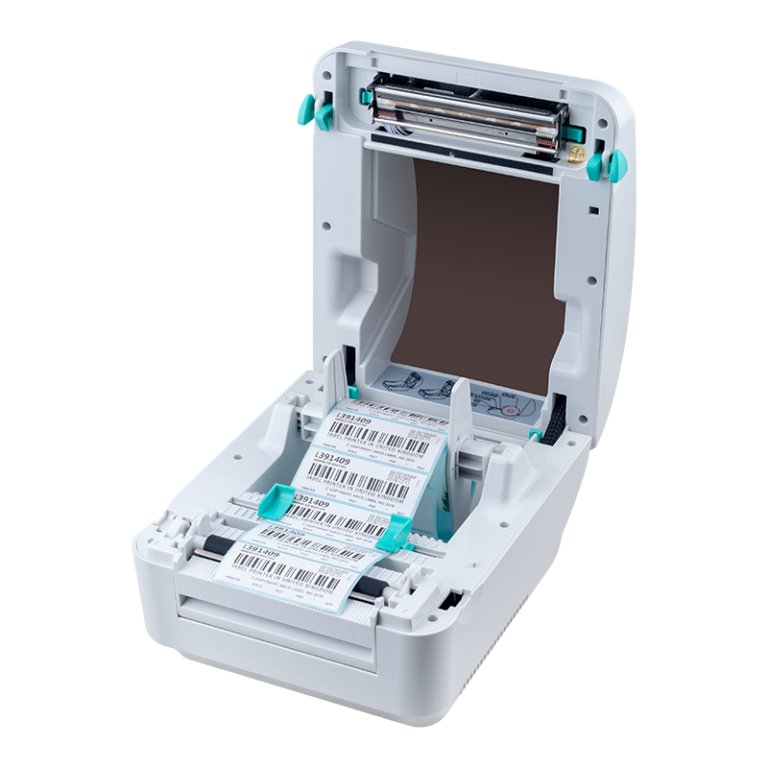
Unlocking Efficiency: The Versatile 4 Inch Label Printer for Modern Needs

by Myla October 24, 2025
written by Myla

For businesses looking to enhance their inventory management, thermal barcode printers offer a game-changing solution. These printers enable the creation of high-quality barcode labels that are essential for tracking products throughout their lifecycle. Imagine scanning each item as it arrives and departs; it simplifies logistics like never before. By minimizing human error and maximizing efficiency, thermal barcode printers not only streamline operations but also boost overall accuracy.

In summary, whether you need a reliable label printer for shipping or are looking into advanced thermal barcode printers, these tools can dramatically enhance your workflow. Brand choices matter, and when it comes to quality and supply advantages, I recommend looking at Winpal. They provide the equipment and support necessary for successful shipping and inventory management!

October 24, 2025 0 comments
0 FacebookTwitterPinterestEmail
Business

Top-Level Shifts or Timeless Wins? A Comparative Look at Aluminum Awning Windows

by Amelia October 24, 2025
written by Amelia

Introduction

You wake before dawn, coffee in hand, staring at a drafty room that never quite feels right. The plan is simple: swap the old openings, find calm air, and cut bills. Aluminum awning windows come to mind, hinged at the top, breathing even in rain and lifting the room’s mood. Nearly 30% of a home’s heating and cooling can leak through windows, and ventilation shortfalls add another layer of discomfort. So why do some replacements help, while others just move the problem around (only quieter)? Are we choosing by habit, or by fit? That question isn’t small—it shapes comfort, cost, and care for years.

Let’s slow down and compare paths—what really differs, and where the wins live—before we choose what opens our days next.

Hidden Gaps in the Standard Approach

Where do “good enough” fixes fall short?

Technical truth first. Most replacements lean on generic frames and “average” seals, yet small details drive big outcomes. With aluminum frame awning windows, the core question is not just the metal. It’s the thermal break, the EPDM gasket profile, the weep channels, and the hinge geometry. Skip these, and you get condensation lines in winter, a noisy sash in wind, and air infiltration that creeps above spec. Look, it’s simpler than you think: a lower U-factor and clean drainage solve more than a pricey glass spec alone. Many legacy units used non-thermally broken frames, thin glazing beads, and short friction stays. They open, yes—but under load they twist. The result is draft paths at corners and hardware fatigue. Small leaks become big bills.

Then there’s maintenance. Standard fixes promise “no fuss,” yet debris clogs weep holes and causes hidden ponding behind the sill dam. That moisture finds screws and uncoated cuts. Over time, anodized finish holds, but untreated edges pit. The irony? Users blame the room, not the frame. A quick upgrade—deeper stop, longer hinge arm, and better corner keys—keeps pressure equalized and seals tight. Quiet rooms, stable sash, smoother care—this is the practical layer we often miss.

Comparative Paths and What’s Next

What’s Next

Semi-formal lens on the future. Two routes are rising side by side: precision hardware plus smarter envelope tuning. New friction stay designs use stepped torque to keep the sash stable under gusts—without over-clamping. Pair that with multi-point locks that engage along the mullion, and the start-stop wobble fades. Inside the frame, a reinforced thermal break decouples interior and exterior aluminum, lowering conductive loss. Low-E glazing helps, but the frame’s temperature bridge matters as much. When you see a test sheet, watch for air infiltration rating and water penetration pressure, not just the glass number—funny how that works, right?

On production, a capable aluminum awning window factory now cuts tighter corner joints with CNC, then bonds them for torsional rigidity. That rigidity protects the EPDM gasket from shear and keeps compression even across seasons. The result feels simple: less whistle, lower drafts, calmer rooms. In comparative installs, units with upgraded weep paths shed storm bursts faster. Units without them look the same on day one—and struggle by the first fall storm. Tiny choices, lasting difference.

So how do you choose—today, not someday? Use three clear checks. First, performance: verify U-factor, air infiltration, and rated water pressure as a set, not alone. Second, durability: ask about thermal break type, gasket material, and finish at cut edges. Third, serviceability: hinge access, replacement glazing beads, and drain path cleaning. Small metrics guide big comfort. The room will feel lighter, the bills calmer, and maintenance routine instead of rescue. And when the window opens in the rain, and fresh air arrives without splashback—there’s your quiet proof.

Bunniemen

October 24, 2025 0 comments
0 FacebookTwitterPinterestEmail
Industry

The Hidden Advantages of the 808 Diode Laser Hair Removal Machine

by Anderson Briella October 22, 2025
written by Anderson Briella

Introduction: A Smart Choice for Hair Removal?

Imagine this: you’re standing in front of the mirror, frustrated with the never-ending cycle of shaving or waxing. According to recent studies, these traditional methods can lead to skin irritation and ingrown hairs, making them less desirable. Enter the 808 diode laser hair removal machine, a modern solution that promises to address these age-old issues. So, could this be the answer to your hair removal woes? Let’s have a closer look at the often-overlooked flaws of traditional solutions, shall we?

808 diode laser hair removal machine

Flaws of Traditional Hair Removal Solutions

When it comes to hair removal, traditional methods have their shortcomings. Shaving can lead to cuts and irritation — like, really, who hasn’t nicked themselves in haste? Waxing, on the other hand, can be painful and requires touch-ups every few weeks. Both methods operate on the surface level, failing to address the root cause of unwanted hair. In contrast, an 808 diode laser hair removal machine ce works at the follicle, targeting the hair growth source. Let’s face it, the simplicity of getting long-lasting results is what we all want.

Unlocking Future Possibilities

How do new technology principles play into this? The latest advancements in laser technology allow for a more efficient and effective hair removal experience. For instance, the 808 diode laser employs heat to target melanin (the pigment in hair), effectively disabling hair follicles. This isn’t magic; it’s science! With the right understanding, clients can get the most from their sessions. Plus, many top 808 diode laser hair removal machine manufacturers are refining these technologies for better results. Look, it’s simpler than you think — investing in a machine that works smarter can lead to less time spent on upkeep.

808 diode laser hair removal machine

What’s Next for Hair Removal Technology?

As we gaze into the future of hair removal, ongoing advancements are key to improved user experiences. With more studies emerging, laser hair removal technologies are becoming more skin-friendly and versatile. For instance, the development of different wavelengths allows for treatment on various skin types without adverse effects. This means that individuals can bid farewell to common issues like pigmentation or scarring, paving the way for inclusivity. The possibilities seem almost endless! It’s exciting to think about how far hair removal technology has come and where it’s heading next. — Just imagine the confidence boost!

Conclusion: Choosing the Right Solution

With the lessons learned from the deep dive into hair removal options, it’s evident that the 808 diode laser hair removal machine offers a compelling case. Evaluating solutions based on effectiveness, pain levels, and skin compatibility could change the way we approach hair removal entirely. If you’re still sitting on the fence, remember to keep in mind that a solution’s longevity and comfort during the process can greatly impact your satisfaction. Choosing the right technology could be the key to unlocking a seamless hair removal journey. Want to learn more? Head to Heshibi Tech for state-of-the-art hair removal technology.

October 22, 2025 0 comments
0 FacebookTwitterPinterestEmail
Market

12 Lessons Learned From Comparing Acrylic Cream Jar Makers — Where the Small Details Win?

by Amelia October 21, 2025
written by Amelia

Introduction: A Buyer’s Day, a Small Leak, and a Big Question

A junior buyer in Ho Chi Minh City thinks the shipment is fine until the first box opens and a faint cream ring appears on four lids. The acrylic cream jar looks glossy, the logo is sharp, but some closures missed the sweet spot. In one quarter, even a 2% mismatch can cause returns and rework, which eats your margin fast. So, if leaks and scuffs keep showing up, what exactly should we compare among suppliers—beyond price and lead time (nghe cũng hợp lý, right)? Here’s a simple number: a 0.2 mm thread tolerance drift can raise failure rates by 30% in warm transit. That is not theory; it shows up as sticky cartons and unhappy reviews. Are we measuring the right things when we pick a factory, or just trusting pretty photos and low MOQs? Let’s unpack the blind spots and see what real comparison looks like—then map a path you can actually use.

acrylic cream jar

Part 1: The Hidden Pain Points Buyers Miss in Traditional Sourcing

Which tiny flaws quietly break your launch?

When buyers shortlist an acrylic cream jar manufacturer in china, they often rely on catalog shots and a one-off golden sample. That is where decisions go sideways. The first trap is process variance: two cavities in the same injection molding tool can cool at different rates, shifting the thread pitch just enough to mess with sealing torque. Then UV coating adds microns of thickness that change cap fit, while silk-screen ink build-up near the rim creates a rough contact point. None of this is visible in the hero sample—funny how that works, right? It appears after 5,000 units, when PMMA resin from a different batch runs a touch stiffer and operators tweak temperature to keep cycle time on target. Look, it’s simpler than you think: if the supplier can’t show cavity-level data and cap-torque curves, your risk is built-in.

The second trap is test mismatch. Many teams only do a bench leak test at room temp, but not after thermal cycling or a ship-vibration simulation. Without transit testing, micro-cracks at the collar go unnoticed. The result is scuffing, lid wobble, or a slow weep that shows up after seven days on the road. Traditional purchasing also ignores consumables: liner material, gasket compression set, and ink adhesion after ethanol wipe. These are boring, yes—but they decide whether the jar survives a warehouse in Da Nang at 36°C. Technical discipline wins here: track mold cavity IDs, mandate torque windows, and verify batch traceability for resin and coatings. Otherwise, you’re buying luck, not quality.

Part 2: Forward-Looking Comparison—New Principles, Real Outcomes

What’s Next: Comparing by signals, not slogans

Now shift from buyer pain to durable practice. A better way is to compare suppliers by “process signals.” Ask a china acrylic cream jar manufacturer for three things: first-article reports by cavity, torque–angle graphs for assembled caps, and a small-run thermal cycle test (10°C to 45°C, three cycles). These new comparison principles do not require a lab, only discipline and shared data. If a factory can export SPC charts for thread height and demonstrate liner compression over time, you have a reliable baseline. If they can’t, the gloss is a distraction. Also check print durability with a simple ethanol rub test and a 1-meter drop test—done in pairs, jar empty and jar half-filled. Real life does not read spec sheets—it bumps boxes and bakes trucks. And yes, someone has to check.

acrylic cream jar

On the technology side, small upgrades pay off. Tooling with balanced hot runners reduces shear, which stabilizes PMMA flow and lowers warp. Inline camera inspection catches cap skew before packing. Even better, a sealed shipper with corner protectors cuts transit abrasion by half—cheap control, big effect. Compared to legacy “sample-and-hope,” this method yields fewer surprises and cleaner unboxings. To choose well, use three metrics: process capability (Cp/Cpk on thread and height), verified seal performance after thermal cycling, and print/finish durability after rub and drop tests. If a partner can prove those with recent data and traceable batches, your odds improve. If they push only price and speed, pause. The difference shows up later—in refunds or in repeat orders. Keep the tone calm, keep the checklist short, and keep the evidence visible. In the end, it’s about predictable outcomes, not promises. For steady results with acrylic jars, a data-first maker like NAVI Packaging quietly makes life easier—no drama, just fewer surprises.

October 21, 2025 0 comments
0 FacebookTwitterPinterestEmail
Business

Exploring the Essence of Ventilator Equipment Manufacturers

by Maeve October 20, 2025
written by Maeve

In an era where health and safety take center stage, the role of ventilator equipment manufacturers becomes more critical than ever. The intricate dance of human breath intertwines with technology—where life-supporting devices reign supreme. Why do challenges abound when it comes to ensuring the reliability of ventilatory systems? Like the question of helium in LED lights, there are foundational principles beneath the surface that merit exploration. As awareness grows, understanding how these manufacturers navigate complexities is essential.

Flaws of Traditional Solutions

Traditional ventilator solutions often grapple with numerous shortcomings—compromising patient care during the most fragile moments. Outdated designs can lead to inefficiencies that patients cannot afford. Issues like mechanical failures or inadequate biocompatibility can create tumultuous uncertainties during critical situations. These challenges highlight the pressing need for innovation—drawing a line in the sand that separates old technology from new pathways to safety.

Principles of New Technologies

Enter the realm of cutting-edge technologies that breathe new life into the world of ventilators. Manufacturers are embracing a paradigm shift, employing smart algorithms and robust data security to ensure efficacy. The incorporation of edge computing nodes allows for real-time monitoring and adjustments, fostering an environment where technology keeps pace with the urgent demands of healthcare. Technologies founded on solid principles can bring about a renaissance in patient support.

Quantified User Benefits

Patients and providers alike experience tangible benefits when these innovations take center stage. Enhanced safety and reliability are paramount—resulting in lower risks of equipment failure and better health outcomes. Look, it’s simpler than you think: smarter solutions equate to improved patient satisfaction and trust, which are vital for building a resilient healthcare system. The numbers speak volumes—when the right technology is in place, outcomes improve significantly.

Conclusion: Key Metrics for Evaluation

When venturing into the world of ventilator equipment manufacturers, always verify these three metrics when choosing solutions: ① reliability of technology, ② the adaptability of your ventilatory systems, and ③ ongoing support and maintenance options. Each of these elements contributes to a more stable and efficient healthcare environment—where human lives depend on reliable technology.

Understanding Industrial Ventilation Equipment

Industrial ventilation equipment plays a pivotal role in maintaining air quality and safety within various environments. These systems are designed to eliminate harmful pollutants and ensure comfort for workers. Ventilation is essential in keeping production spaces healthy and in compliance with regulations. Hence, when exploring options, it’s vital to consider manufacturers who specialize in industrial ventilation equipment. Such systems not only optimize safety but also enhance operational efficiencies across industries. This proactive approach minimizes risks associated with airborne contaminants, ultimately fostering a more productive atmosphere.

Importance of Custom Ventilation Systems

When standard solutions fall short, the need for a custom ventilation system arises. Tailored ventilation systems are crafted to meet specific needs, providing a perfect fit for unique environments. Whether in healthcare, manufacturing, or offices, custom systems account for various factors, including space layout and airflow requirements. Engaging with manufacturers who offer custom ventilation systems is essential for achieving optimal indoor air quality. In an age where personalization matters, these systems not only fulfill regulatory requirements but also prioritize comfort and efficiency, enhancing the overall user experience.

To encapsulate the intricate discussion on ventilator equipment manufacturers and the nuances of industrial and custom ventilation systems, it’s clear that choosing the right partner is paramount. With their reputation for excellence, Gaowei Group stands out as a manufacturer with supply advantages, ensuring healthcare and industrial needs are met with utmost dedication and proficiency. Take the time to explore how Gaowei Group can provide tailored solutions to meet your ventilation needs efficiently.

October 20, 2025 0 comments
0 FacebookTwitterPinterestEmail
Newer Posts
Older Posts

Recent Posts

  • How to Identify the Correct PTC Heater Model for Reliable Thermal Control
  • Is 5 Gas Detector suitable for this project? Start by examining trade-off framing technical review
  • How Smart Parking Management Sharpens Project Planning and Purchasing
  • Commercial Pergola Designs: From Brief Problems to Robust Delivery
  • Custom Camera Bag Solutions: Practical Uses, Clear Benefits, and Smart Buying Moves

Recent Comments

  1. Jane on DIY Reindeer for Christmas Decoration
  2. Jane on How To Transform Your Old Bike
  3. Jane on Making your Own Christmas Decor
  4. Jane on DIY Art Projects You Can Make With Watercolors
  5. Jane on Awesome & Easy DIY Paper Flowers Hacks

About Me

About Me

Welcome to my Blog

Hi there, my name is Jane. I make lovely things in order to fill my little house in my spare time.

Keep in touch

Facebook Twitter Instagram Pinterest Youtube Snapchat

Popular Posts

  • 1

    Керамический герметичный корпус: Ваш идеальный выбор для защиты электроники

  • 2

    Неожиданные способы сравнить и выиграть: где герметичный свинцово-кислотный аккумулятор приносит тишину и запас хода?

  • 3

    Инновации в области фасовочно упаковочных линий

  • 4

    8 Side-by-Side Strategies That Work for Lab‑Grown Diamond Jewelry Decisions

  • 5

    Как специалисты тестируют и настраивают GFM‑аккумуляторы под вашу сеть?

Recent Posts

  • How to Identify the Correct PTC Heater Model for Reliable Thermal Control

    November 11, 2026
  • Is 5 Gas Detector suitable for this project? Start by examining trade-off framing technical review

    November 10, 2026
  • How Smart Parking Management Sharpens Project Planning and Purchasing

    November 9, 2026
  • Commercial Pergola Designs: From Brief Problems to Robust Delivery

    November 9, 2026
  • Custom Camera Bag Solutions: Practical Uses, Clear Benefits, and Smart Buying Moves

    November 8, 2026

Categories

  • Business (171)
  • Decor (6)
  • Featured (6)
  • Global Trade (157)
  • Holiday (5)
  • Industry (181)
  • Market (166)
  • Style (6)
  • Tech (136)
  • Videos (4)
  • Facebook
  • Twitter
  • Instagram
  • Pinterest
  • Tumblr
  • Youtube
  • Snapchat

@2019 - All Right Reserved. Designed and Developed by PenciDesign


Back To Top
back-seater
  • Home
  • DIY
  • Featured
  • Global Trade
  • Holiday
  • Industry
  • Market