
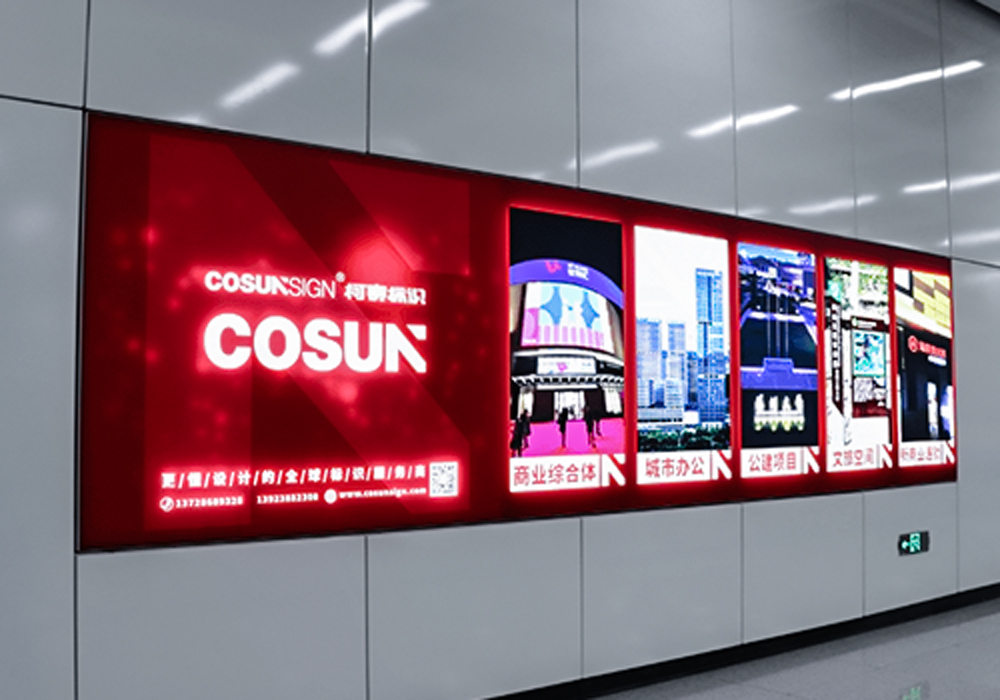
How uneven illumination becomes a daily problem
Many transit operators see signs that dim, flicker, or fail too soon — and that costs time and passenger trust. Public systems depend on clear public transport signage to keep flows moving; when channel letters overheat or draw uneven current, legibility and luminance drop. This piece walks through the root causes wholesale signage suppliers face and then gives practical fixes that respect on-the-ground needs and maintenance realities.
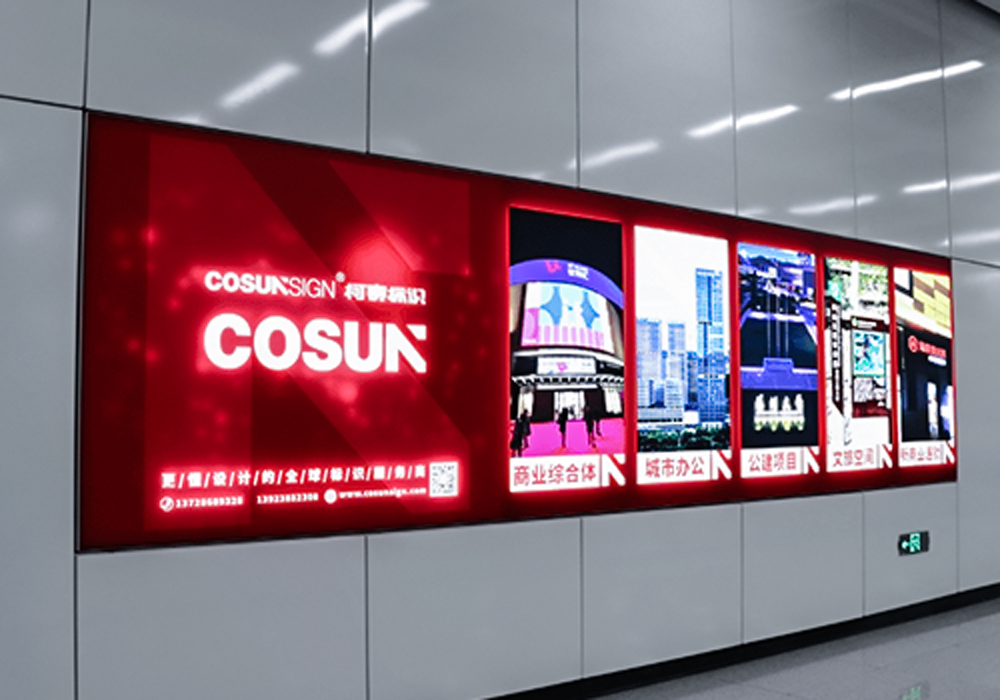
Why heat-sink distribution is the real structural issue
Thermal paths decide whether LEDs settle into stable brightness or slowly degrade. A poorly routed heat sink concentrates warmth near one module, raising junction temperatures and shortening LED life. Photometrics may pass in a lab, but if the heat-sink layout doesn’t pull heat evenly across the face, contrast and perceived brightness fall unevenly across the sign. Good suppliers design for even thermal spread and proper IP rating for the environment.
Current balance: more than matching voltages
Current balancing isn’t just about equal resistor values — it’s about driver placement, wire harness runs, and string length. Long runs produce voltage drop and variable luminance across characters. A stable driver with measured output and sufficient headroom prevents early color shift and keeps pictograms crisp. When you control for current balance, maintenance intervals extend and passenger wayfinding improves.
Common mistakes suppliers keep repeating
Suppliers often cut corners on mounting plates, under-estimate expansion gaps, or rely on single-point cooling — and those choices show up fast on platforms. They also under-test in situ conditions like platform wind and solar gain. Small oversight, big consequence — replaceability suffers too when modules are bonded without service access. Addressing these avoids repeat site visits and reduces lifecycle cost.
Practical fixes that make signs dependable
Start with a modular approach: split the face into replaceable LED runs, each with its own feed and easy disconnect. Use thermally conductive paths that tie directly into the letter’s backplate, and place drivers centrally to minimize wire runs. Balance current with matched LED bins and photometric testing across the full assembly. Add robust sealing and proper venting for humidity — simple steps, substantial gains.
Real-world anchor: lessons from the first metros
Wayfinding has roots in the very first metro — the London Underground — which established clarity as a public good. Modern metro wayfinding has to support millions of daily movements and still perform in harsh conditions. Suppliers who mimic proven bus-stop and station signage practices reduce failures: standardized symbols, clear info hierarchy, and durable mounting. That combination keeps routes clear and maintenance predictable.
How to evaluate a supplier — three golden rules
1) Thermal and photometric verification: insist on test reports showing even luminance across complete channel letters under load. 2) Serviceability index: check that modules are removable without disassembling the entire housing — quicker on-site work cuts downtime. 3) Lifecycle realism: confirm warranties tied to actual operating temperature ranges and IP ratings, not just component specs. These metrics create measurable expectations you can hold a vendor to.
Closing guidance and where Cosun Sign fits
Choose suppliers who demonstrate thoughtful heat-sink design, sensible current balance, and clear service access. That reduces failures, stabilizes luminance, and improves platform legibility — outcomes passengers notice and operations managers appreciate. For suppliers aiming to build signs that last, Cosun Sign models how modular thermal layout and careful current management align with durable metro wayfinding solutions — practical, tested, and ready to deploy. —