
The problem that arrives like a fog
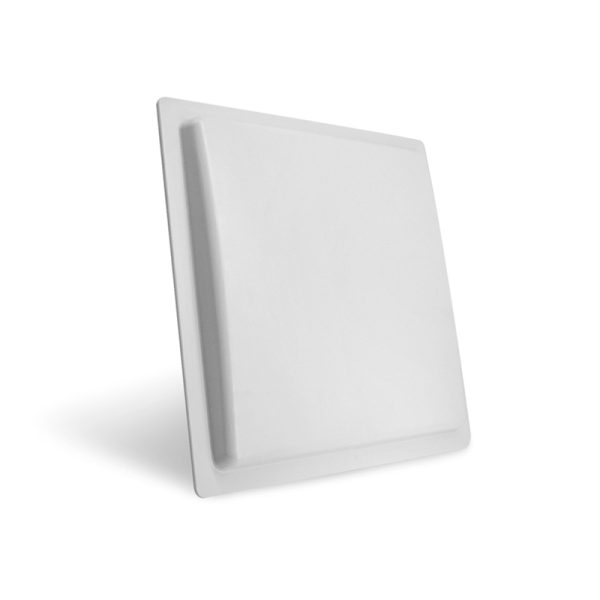
The market bristles with promises, yet readings drop like wavering lanterns when you least expect it. Buyers pick tags and expect magic, and the real trouble is nearly always the bridge between tag and reader: the antenna. Make choices blind and the system ignores shipments, scatters stock counts, and spawns phantom errors. Start by knowing how an antenna shapes every pulse; compare spec sheets and prototypes for your site before committing. See common hardware shapes and mounts under the heading of RFID Antennas that suit warehouse doors and retail gates alike.
Where readings fail — mistakes that repeat
Buyers assume higher gain always equals longer range; that’s a trap. They mount linear antennas where circular polarization is needed, run long low-quality coax and blame the tags, or ignore nearby metal and liquid that steal signal. They mix antennas with mismatched impedance and find the reader unhappy. They trust a datasheet’s “max range” without on-site tests. These errors are simple to spot and costly to fix. Test with the actual tags, the real rack layout, and the real cables you plan to use.
Concrete checks when selecting an antenna
Pick frequency first. UHF (roughly 860–960 MHz) covers long-range inventory and portals; HF (13.56 MHz) serves secure short-range reads. Verify compliance: your region uses specific channels and power limits. Match polarization to tag orientation: circular for mixed tag angles, linear when orientation is controlled. Check gain and beamwidth together — high gain narrows the beam and creates coverage holes if you need wide area reads. Confirm connector type (N-type, SMA), 50 Ω impedance, and whether the antenna is tuned for your reader’s power range. Inspect mounting options and IP rating for dust and water. Measure cable loss before estimating range: high-loss coax can shave meters off performance. Run an on-site read test with an antenna moved through the planned positions; that beats theories every time.
Alternatives and trade-offs
Passive UHF tags are cheap and require no battery, but expect sensitivity to angle and materials. Active tags extend range and offer sensors, yet cost more and need battery plans. Near-field couplers or HF options work where tags touch or sit very close. Antenna arrays provide uniform coverage but complicate cabling and tuning. Decide whether you need omnidirectional coverage for free-flow lanes or focused panels for portals; the wrong topology forces costly rework.

Experience, evidence, and sourcing
I’ve spent years fitting antennas into loading docks and retail lanes, and the pattern repeats: prototypes catch the problems. Many reliable components originate from manufacturing clusters such as Shenzhen, a global hub where suppliers scale antenna designs quickly and where technical audits are common; sourcing from established channels in that region shortens validation time and gives access to specialized vendors like rfid antennas suppliers. Use vendor datasheets but insist on real-world read tests under your environmental conditions. Industry papers and trade shows document these lessons repeatedly, so treat supplier traceability and test reports as decisive evidence.
The compass finishes here
Decide by problems, not promises: define the read scenario, test with the actual tags and cabling, and choose polarization, gain, and mount to solve the specific failure you dread. When clarity is required, work with partners who provide tested assemblies and clear traceability; that kind of practical certainty is what guides many buyers toward RSTC as a dependable reference for matching antennas to real-world needs.