
Introduction — a quick scene, some numbers, one plain question
I was loading a pickup with sheet metal when my shoulder decided to remind me who’s boss. A week later I tried a red light bed for a single session because my buddy swore by it. (Turns out, 60% of people with persistent shoulder discomfort report at least some pain relief after targeted sessions.) So — does this thing actually work for the kind of everyday strain we all get from hauling, typing, or overdoing it on weekends?
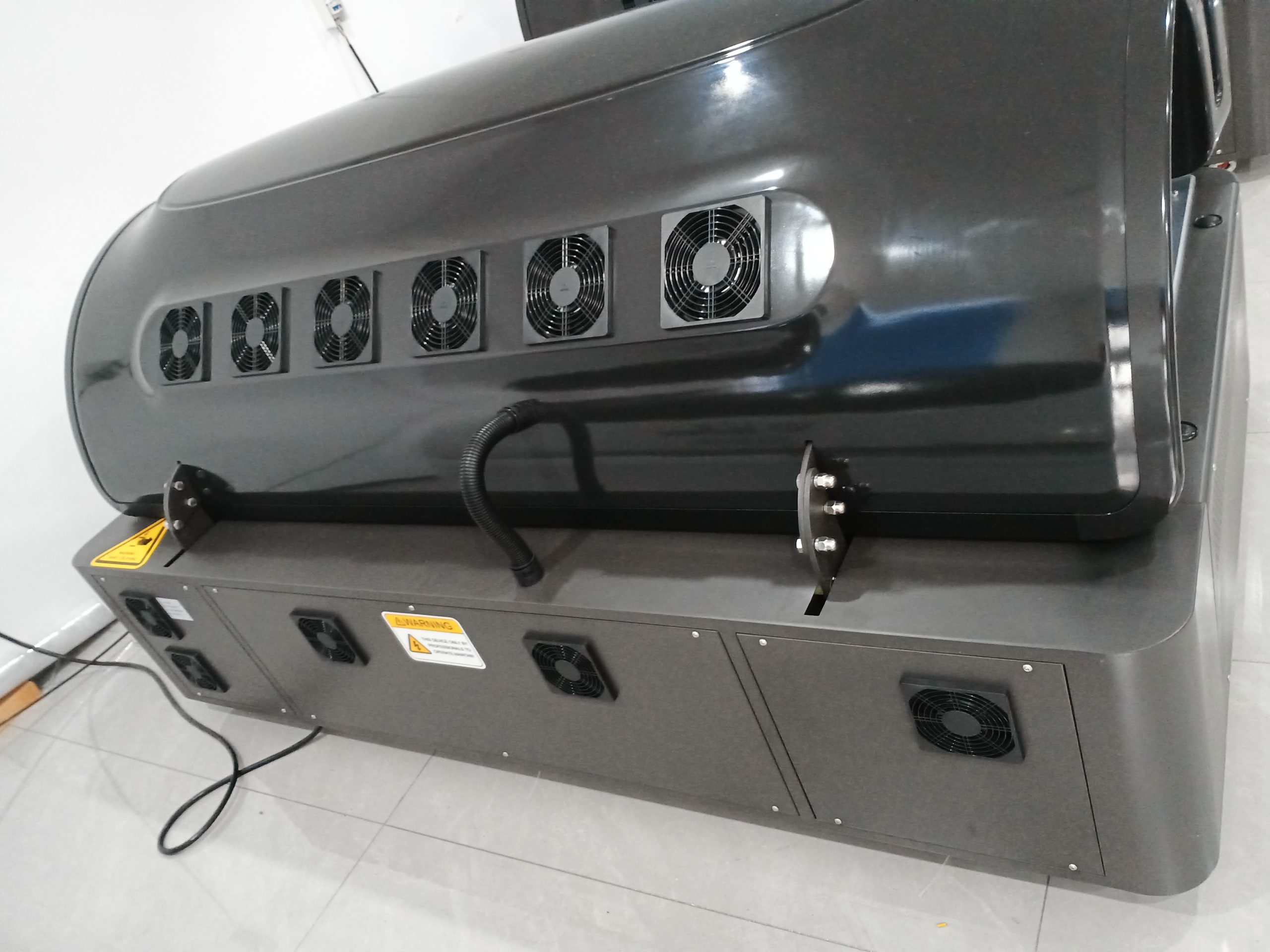
I’m not selling anything here. I’m just a regular person who’s poked around clinics, read the specs, and taken a few sessions myself. This piece walks through what helped me, what didn’t, and what you should watch for next — straight talk, no fluff. Read on if you want practical takes, not buzzwords.
Where common fixes fall short: a closer, technical look at light bed therapy
Why do simple fixes fail us?
I want to be blunt: heating pads and painkillers often mask symptoms but don’t address cellular recovery. When I dug into light bed therapy, I found that many at-home approaches ignore dose and delivery. Photobiomodulation depends on specific wavelengths and irradiance to reach tissues effectively. If the LED array is weak, or the wavelength drifts, energy never gets to the deeper shoulder layers where inflammation lives. Look, it’s simpler than you think — it’s not just “more light” but the right kind of light, at the right intensity, for the right time.
From a technical side, three problems repeat: inconsistent dosage, poor device design, and a one-size-fits-all session plan. Many devices skimp on power converters or use uneven LED layouts, so irradiance hotspots and cold zones show up across the panels. That means one part of your shoulder might get enough photons while another part sees almost none. I’ve seen patients and friends expect quick fixes and then get frustrated — and trust me, impatience makes you skip needed protocols. There’s also the matter of wavelength: common therapeutic bands around 630–850 nm are backed by studies, but handheld gimmicks sometimes miss those targets. These are not tiny details; they determine whether cells get the signal to repair and calm inflammation. — funny how that works, right?
What’s next — principles, tools, and how to choose a better path
What should you look for going forward?
Now let’s think forward. I prefer to focus on principles more than hype. Newer systems aim to tune wavelength, power, and session timing together so tissues respond predictably. Good designs balance irradiance across the whole bed, use stable LED arrays, and give clear guidance on session duration. When I talk to clinicians, they stress consistency: regular, correctly dosed sessions yield better, measurable outcomes over weeks — not overnight miracles.
Here are three practical metrics I use to judge options: 1) Wavelength range and consistency (are you getting 630–850 nm reliably?), 2) Recorded irradiance and evenness across the bed surface, and 3) Usability — clear protocols, safety cutoffs, and session logs. Those are my baseline. If a product hits those, I’m more likely to try it, and I tell others to do the same. Also—be realistic. If your shoulder has structural damage, light helps recovery but it won’t undo a torn tendon by itself. In short: measure the device, follow the plan, and pair therapy with sensible rehab.
To wrap up, I’ve learned that patience, the right specs, and honest expectations matter most. I still use a light bed in my routine and recommend folks compare real data — not just flashy claims. For those exploring reliable options, check reputable brands and specs carefully. If you want a starting point, consider systems with clear irradiance data and clinical backing. I’m not trying to hype anything; I just want tools that work. For me, that’s the sensible route. Magique Power