
Introduction — a soldering bench and a question
I remember leaning over a busy bench where the air smelled of flux and hot metal, and thinking: someone should bottle this scent — then promptly decide against it. In the world of fume extraction for electronics and industrial applications we’re not dealing with perfumes; we’re dealing with health, precision, and downtime. Measurements at small assembly lines often show particle counts spiking near soldering fumes and VOCs during peak shifts (it hits you in the throat — seriously). So here’s the hard ask: how do we balance shop-floor comfort, worker safety, and steady production when airborne contaminants are so persistent?
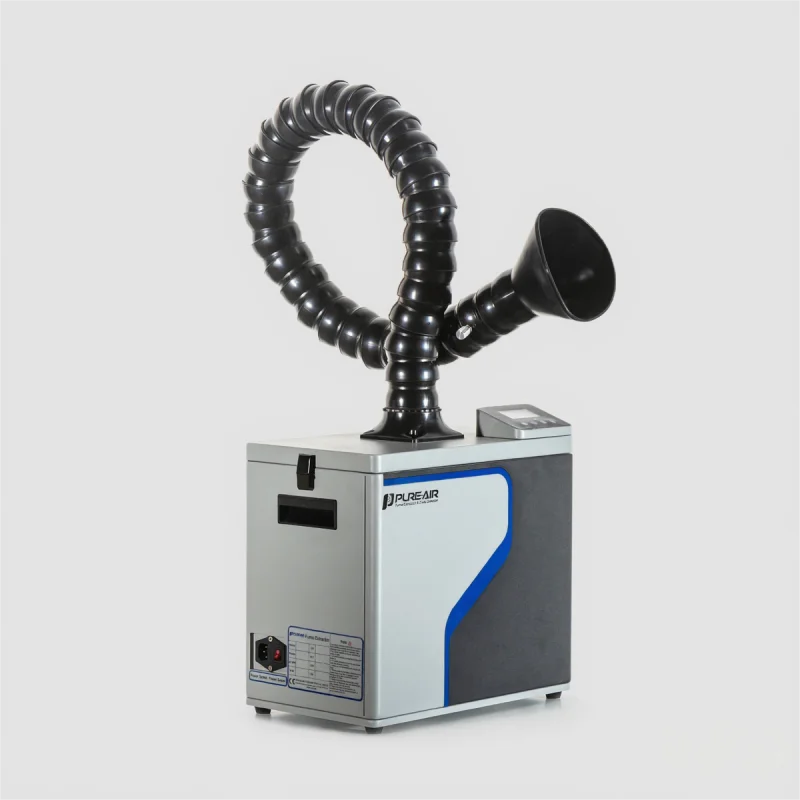
I write this from hands-on experience: I’ve worked around extraction arms and packed workstations, and I still get a little anxious when I see an open fume hood without proper airflow. The data is blunt — elevated particulate levels shorten filter life and raise respiratory risk — but what really nags me is the everyday friction: noise, awkward reach, false alarms, and maintenance windows that slow lines. Let’s peek deeper — and then look ahead to better choices.
Part 2 — Where the old fixes fail: hidden pains of fume and dust extraction
fume and dust extraction systems have been a staple for decades, yet many shops still wrestle with subpar performance. Traditional setups—basic ductwork, static hoods, and oversized fans—mask real problems. First, capture efficiency suffers when source positions change. A rigid hood might work for one soldering station but fails when operators shift components or when a new jig is added. Second, filters clog quickly if pre-separation isn’t applied; HEPA filters are expensive and often replaced prematurely. Third, what operators tell me most? Noise and ergonomics. Loud blowers and awkward extraction arms drive workaround behavior — windows open, arms left dangling — which defeats the whole point.
Look, it’s simpler than you think: many shops treat extraction as a checkbox instead of a living system. Hidden user pain points show up as downtime (filter swaps), unclear maintenance responsibility, and too-frequent false positives from particle counters. Sensors placed poorly report skewed VOC levels, and that leads to unnecessary shutdowns. Add to that the complexity of retrofitting older lines where power converters and cable trays crowd the ceiling — it’s a puzzle. I’ve stood in rooms where extraction made the air look fine on paper but workers still complained of headaches — because comfort and effective capture are not the same thing.
Why do these issues persist?
Because most decisions are budget-driven and reactive. Teams buy a fan, fit a hood, and hope for the best. They forget to match airflow with source velocity, ignore laminar flow disruptions, and fail to plan filter staging. The result: uneven protection, higher long-term cost, and a workforce that adapts in ways that reduce safety.
Part 3 — New principles and practical next steps
What I find exciting now is how new tech principles change the game for fume and dust extraction. Rather than brute-force airflow, modern designs focus on targeted capture, sensor fusion, and modular extraction arms that move with the worker. Edge computing nodes can run local analytics to correlate particle spikes with specific tasks; that means smarter fan control and longer filter life. Integrating particle counters with VOC sensors and adaptive dampers gives you a system that reacts only when it needs to — energy savings follow. These are not magic tricks; they are engineering choices that respect ergonomics and maintenance cycles.
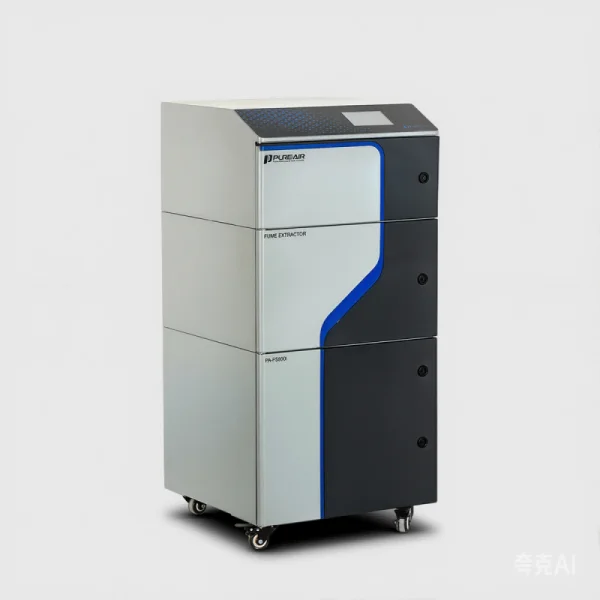
I’ve seen a pilot where a line reduced HEPA consumption by nearly half after adding pre-separators and smart controls — funny how that works, right? When you design for human behavior, not just specs, you cut noise, lower false alarms, and improve uptake by the team. That matters because adoption beats perfection every time in a busy shopfloor.
What’s Next — metrics to choose by
If you’re thinking of upgrading, weigh options by these three metrics: capture efficiency at source (measured, not estimated), system lifecycle cost (including filters and maintenance), and human factors (noise, reach, and ease of use). I use these when advising teams because they force you to look past headline airflow numbers. Aim for a balance — not the highest CFM, but the smartest capture.
To wrap up: we must stop accepting clumsy extraction as the norm. With thoughtful design — targeted hoods, staged filtration, sensor-driven controls, and attention to ergonomics — you get healthier air and fewer interruptions. I’m confident these shifts are practical and affordable. For teams exploring options, check real-world performance and ask vendors for operation data from similar lines. If you want a place to start, look into vendors that combine modular extraction arms with smart sensing and service plans — they make it easier to keep things running, and yes, that peace of mind is worth the investment. For reference, I often point colleagues toward solutions from PURE-AIR when they need a pragmatic, service-minded partner.