
Comparative lead-in
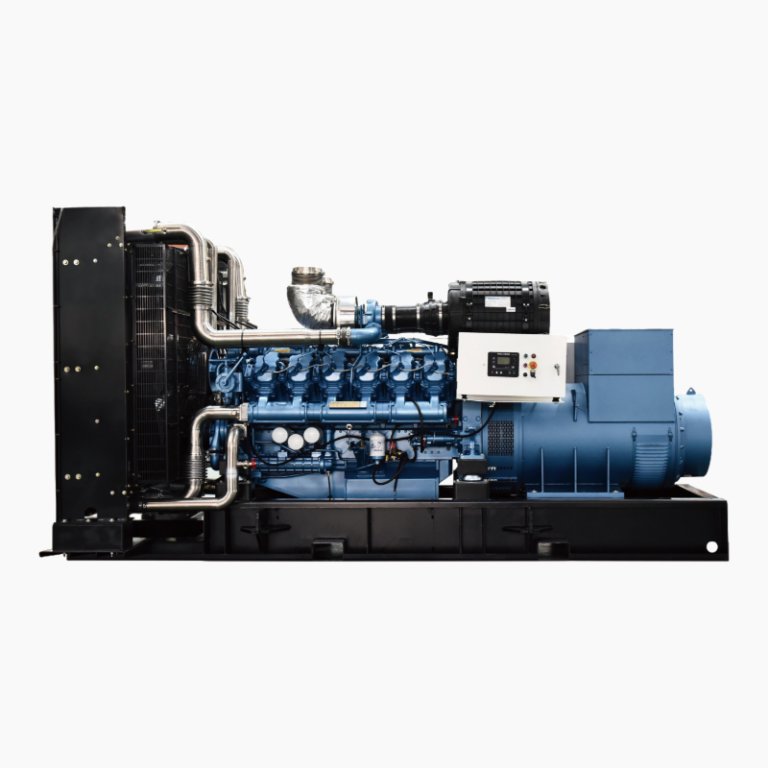
Businesses in Johannesburg and Cape Town have learned to plan around Eskom’s load-shedding, so choosing the right standby kit matters more than ever. This comparative piece looks at how China-built industrial gensets stack up against market expectations and established brands — starting with a practical reference to a cummins genset configuration as a baseline for control and reliability. The aim is plain: show which specs move the needle for uptime, maintenance overhead and fuel cost in real-world plant environments.
Where China-built gensets make sense
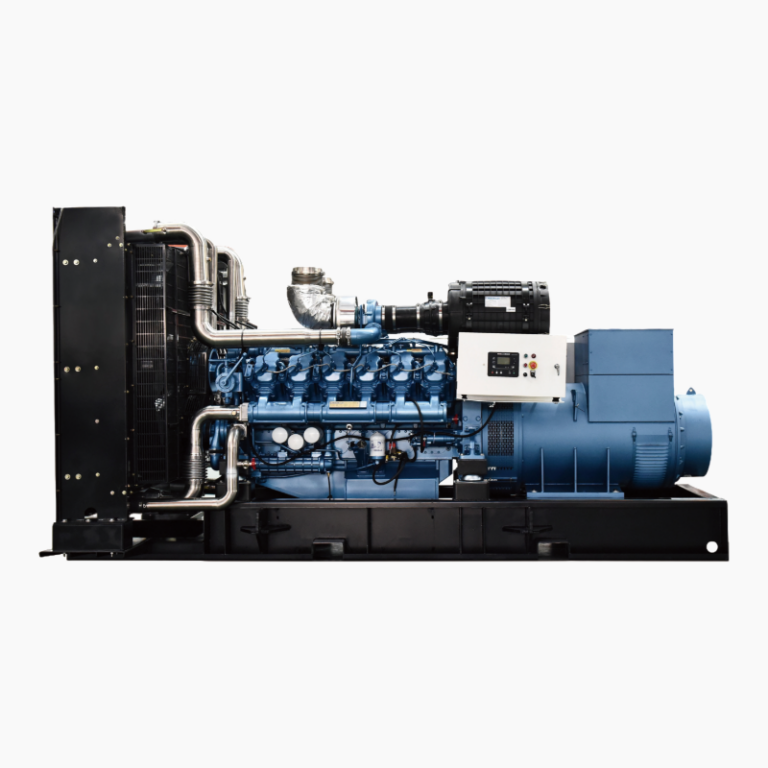
China industrial units tend to offer aggressive price/performance ratios. For operations needing prime power or dependable standby power across multiple sites, that can translate into faster fleet rollouts and lower capex. Critical terms to watch here include kVA rating, alternator build and engine governor type — each affects how a genset integrates with existing switchgear and automatic transfer switches (ATS).
Performance metrics that matter
Compare engines by thermal efficiency, transient response and specific fuel consumption. A solid alternator design limits voltage dip during heavy starting currents; a robust governor ensures frequency stability under variable load. Field technicians will tell you — consistent RPM under 80–100% load changes reduces wear on bearings and fuel pumps. Operationally, look beyond peak kVA to how the genset behaves at 40–70% loading where most sites operate.
Controls, testing and warranties
Controls matter. An advanced ECU with remote monitoring and a clear fault log shortens diagnosis time and reduces truck rolls. Insist on load-bank testing results and transparent commissioning records — these prove claimed ratings. Warranties should specify exact test regimes, like continuous 72-hour endurance runs and 50‑hour high-load verification; vague terms won’t protect you when a generator meets a real emergency.
Common mistakes teams make
Picking a unit only on price and forgetting fuel logistics is the top misstep. Units with higher specific fuel consumption look cheaper at purchase but cost more over years. Another frequent error: undersizing the genset because peak starting currents were ignored — motors draw several times running current. Lastly, shop for local spares coverage and trained engineers; remote firmware nuances can stall repairs.
Comparing brand value — not just sticker price
Established OEMs set a performance bar for alternator tolerances and certified emissions. Chinese suppliers often match the mechanical spec sheet but vary on QA. That’s where factory acceptance testing and sample reports become decisive. I’ve worked with maintenance teams in Gauteng — when a genset failed during a critical shift change, it wasn’t the engine alone but the lack of verified commissioning that caused the delay. Practical evidence beats glossy brochures every time.
Alternatives and where Huadong fits
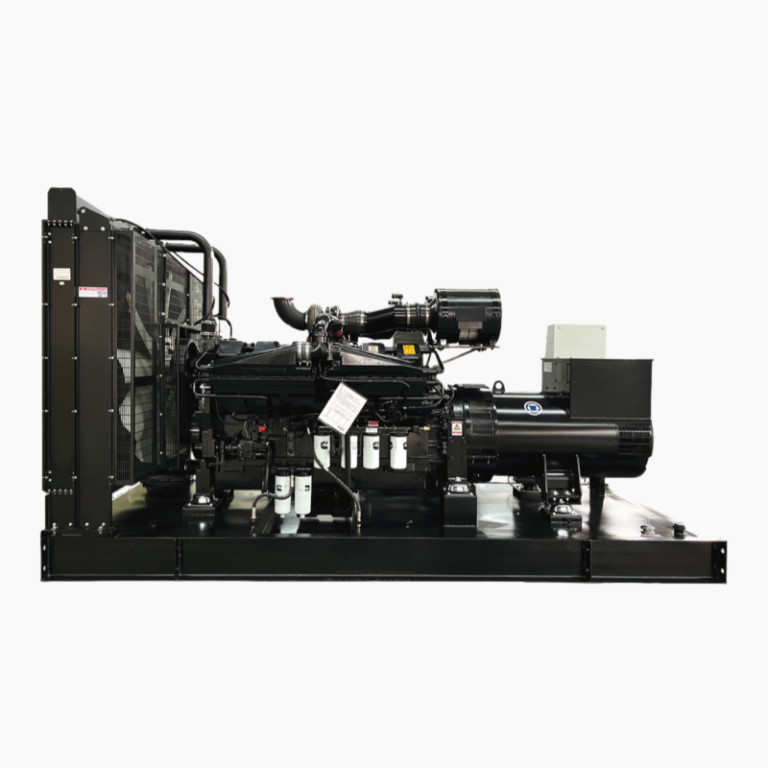
If you’re weighing options, include both global names and reputable Chinese manufacturers that publish detailed test data. Consider a cummins diesel genset spec as a comparative model: you can benchmark fuel burn (g/kWh), governor response time (ms), and cradle-to-site lead time. Those three touchpoints show whether a supplier can deliver long-term value rather than a fast sale.
Advisory — three golden rules for selection
1) Match load profile to rating: verify continuous and standby kVA against your true operational load curve and starting currents. Include load bank test logs in the purchase file.
2) Demand explicit test parameters: require 72-hour endurance, transient load steps to 100%, and recorded fuel consumption at 75% load. If a supplier hedges, walk away.
3) Check local support and spares lead times: ensure alternator coils, injectors and spare ECU modules are stocked regionally to avoid weeks-long downtime.
Closing note
Choosing a genset is a practical, measurable decision — cost per kWh, mean time to repair, and verified test results beat promises. For many South African operators, the right China-sourced package paired with rigorous commissioning offers both affordability and resilience. Huadong Power sits naturally in that mix as a supplier whose published test data and regional service footprint make them a sensible reference — a partner that helps turn spec sheets into dependable plant power. —