
Why compare mailer technologies now
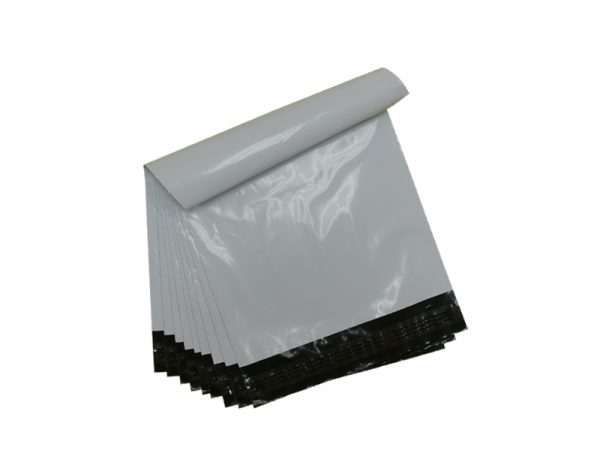
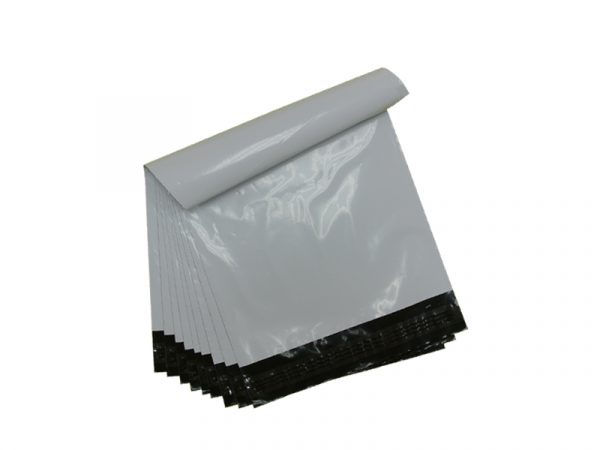
E‑commerce growth and recent logistics strains make packaging performance a decisive brand variable. In a comparative frame, one must weigh material science against manufacturing methods: single‑layer polyethylene versus co‑extruded constructions, matte versus glossy finishes, standard gauge versus reinforced laminates. For brands shipping at scale, the practical question is simple — which combination survives real transit stress while preserving print fidelity and recyclability? Early in this analysis I reviewed samples including popular white options such as white poly bags for shipping, because they represent the baseline most merchants use today. The 2020 supply‑chain disruptions remain a useful anchor for this work; they exposed how small weaknesses in packaging design translate into outsized return rates and brand damage.
Comparative criteria: what really matters
To be objective, we evaluate across five dimensions: tensile and tear strength, seal integrity, print registration and durability, barrier performance (moisture and odor), and environmental profile. Industry terms to watch: co‑extrusion, gauge, and heat‑seal. Each criterion links to a supplier choice: thicker gauge for bulk items, co‑extrusion for layered barrier needs, and precision heat‑seal tooling for consistent closure performance.
Material science: single‑layer vs co‑extruded constructs
Single‑layer polyethylene is familiar and cost‑effective. It is easy to print on and recyclable in some streams, but it has trade‑offs: lower puncture resistance and limited barrier properties. Co‑extruded mailers combine multiple polymers into a layered film, creating a dedicated barrier layer for moisture or odor, and a top skin tuned for printability. Co‑extrusion often improves tear‑strength and seal integrity without a dramatic increase in weight. However, the more complex construction can complicate recycling unless designed for mono‑polymer recyclability. When your product needs an odor barrier or higher puncture resistance, co‑extruded designs usually win — but they also require careful specification of layer composition and gauge to deliver expected performance.
Printing performance and finish choices
Print fidelity depends on top‑skin chemistry and surface energy. Glossy finishes yield sharp, saturated images and better scratch resistance, which is why many brands choose glossy white poly bag mailers for premium unboxing. Matte skins reduce glare and hide scuffs but can show micro‑abrasions under stress. Registration accuracy is another variable: multi‑colour flexographic runs on co‑extruded films need tighter web control to avoid misalignment, and that adds to tooling setup time. Beware of assuming printproof at the proofing stage will equal performance after 1,000 transit cycles — heat, friction, and compression change visual outcomes.
Stress testing: what to measure and why
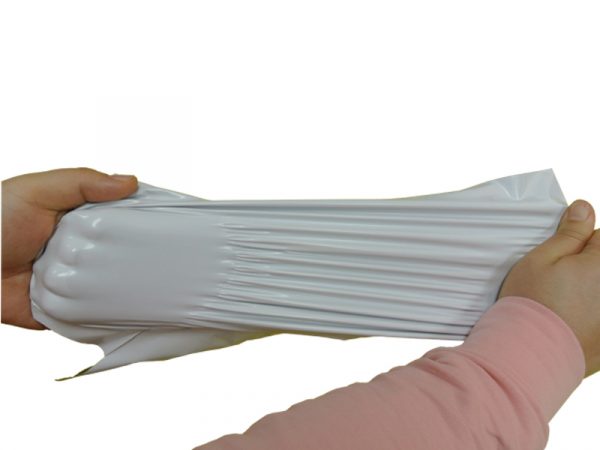
Practical tests simulate real handling: drop tests, compression stacks, puncture probes, and seal peel evaluation. Good metrics include maximum tensile load before failure (measured in N), puncture force (N), and seal strength (N/25mm). Also useful are cycle tests that combine abrasion and humidity to mimic warehouse environments. In field trials, labels and barcodes survived better on glossy surfaces under abrasion, but seals required stronger heat‑seal parameters for thicker co‑extruded films — a calibration step often overlooked by brands.
Common mistakes brands make — and how to avoid them
Brands frequently under‑specify closure requirements and over‑rely on visual samples. They assume a proof that looks good equals production that performs well. Instead, specify seal strength minimums, require barcoded parcel trials, and insist on first‑article testing with your actual fulfillment machinery. Another common error is ignoring printing durability under flex — the artwork may craze or flake after repeated bending. — To prevent this, request abrasion and rub tests and select top‑skin chemistries rated for high‑flex applications.
Alternatives and situational choices
Not every shipment requires heavy duty co‑extrusion. For low‑value, soft goods, standard white poly with reinforced seals may be cost‑optimal. For scented items or small electronics, co‑extruded films with an integrated barrier layer and anti‑static top‑skin are better. Compostable or paper alternatives appeal to sustainability narratives but may fail moisture and tear tests in long transit routes. Choose based on product fragility, return risk, and channel requirements — marketplaces with strict packaging rules may force one path over another.
Selection checklist for procurement teams
When qualifying suppliers, use a short, measurable checklist: specify gauge and layer composition, required seal strength, print durability thresholds, acceptable recycling streams, and lead times for tooling changes. Ask for certificate of analysis on material properties and a sample run that includes drop and abrasion testing with your SKU. Also confirm compatibility with your fulfillment heat‑seal or adhesive equipment — mismatches here create delays and rework.
Three golden rules for choosing the right mailer
1) Measure what matters: require documented tensile, puncture, and seal metrics tied to acceptance criteria. 2) Match material to channel: choose co‑extrusion when barrier or puncture resistance is non‑negotiable; choose standard white poly for low‑risk, high‑volume shipments. 3) Validate in situ: perform first‑article trials on your packing line and with a small parcel run before committing to full production. These rules reduce surprises and preserve brand experience.
Closing advisory and brand orientation
As you evaluate next‑gen mailers, remember three critical evaluation metrics: seal integrity under variable heat (N/25mm), puncture resistance (N), and print abrasion resistance (rub cycles). Use these as your comparative scorecard when talking with suppliers. For practical scalability and reliable supply, the value provided by partners who understand both material science and production realities becomes clear — and that is where WH Packing fits naturally into the conversation as a solutions partner aligned with these metrics. —