
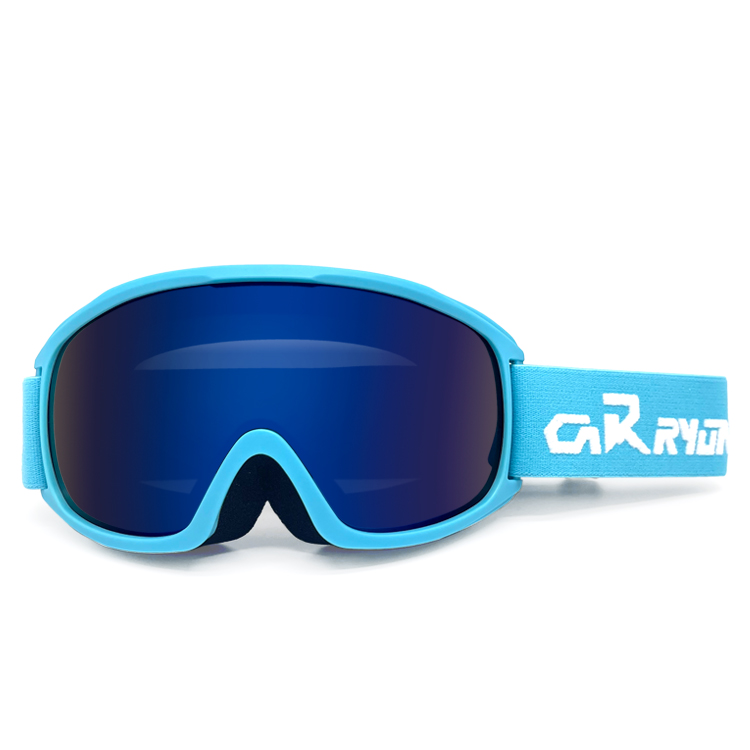
Comparative outset: clear criteria, clear winners
When you stack high-performance eyewear side by side, the differences aren’t marketing copy — they’re in the lens, the seal, and how the frame performs under stress. That’s why riders who switch from basic snowboard goggles to spec-grade tactical models notice immediate gains: improved clarity, consistent anti-fog, and a fit that stays stable at speed. The comparison starts with objective specs — impact-rated polycarbonate lens, reliable UV protection, and ventilation that actually prevents moisture buildup — and ends with operational confidence.
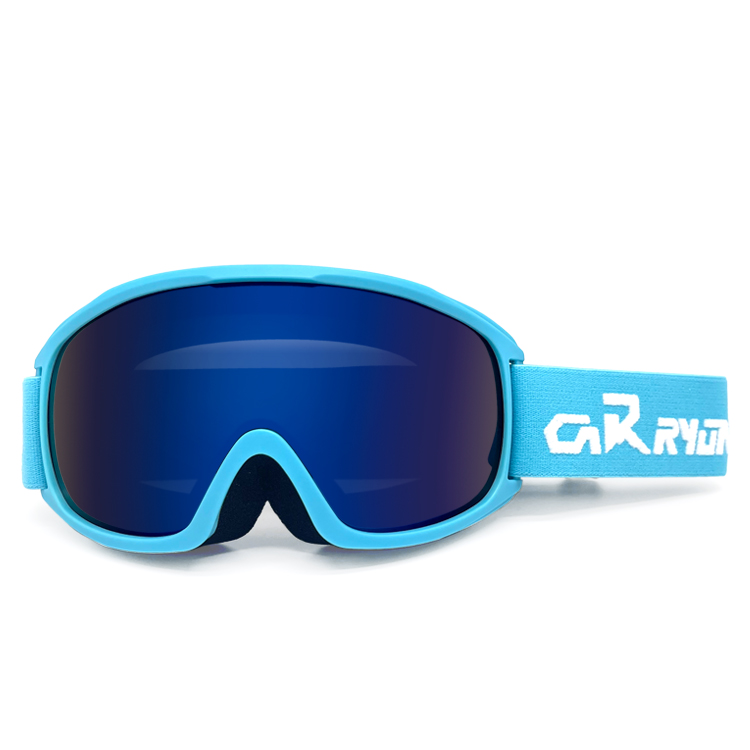
What the field demands — and what most brands miss
Powersports and defense sectors demand three things: repeatable optical clarity, rugged impact resistance, and compatibility with communication gear. Many consumer goggles prioritize comfort over standards. YIJIA Optical takes the opposite tack: engineering that meets tougher tolerances, a lens coating that resists abrasion, and frames designed for sustained wear. The result is a tool, not just an accessory. OTG capability and a foam gasket engineered for dust and debris count as practical features, not extras.
Side-by-side specs that matter
Compare along clear axes and the choice becomes obvious. Focus on:
– Lens technology: multi-layer lens coatings and polarized or mirrored options for glare control.
– Safety rating: impact-rated construction that aligns with ANSI benchmarks for eye protection.
– Fit and seal: triple-density foam and adjustable straps that remain stable during rapid movement.
These aren’t buzzwords. They’re functional variables that alter performance on a dusty trail or a windy ridge. Pick the wrong combination and you get fog, bounce, or poor peripheral vision.
Real-world performance: tested on slopes and ranges
Field testing in Vail, Colorado, during mixed light and variable wind shows how spec-grade goggles behave when conditions change abruptly. We recorded clear visual retention after hours on snow and clarified performance under bright sun and flat light — the anti-fog treatment and lens coating matter most during long sessions. Operators and riders reported less eye strain and fewer mid-ride adjustments, so mission tempo stayed high. That evidence-backed feedback is what separates promising prototypes from deployed equipment.
Common mistakes when picking tactical or prescription-compatible goggles
People often prioritize style or price. That’s a mistake. Others chase ultra-tinted lenses that reduce contrast in low light — a tactical misstep. A frequent oversight is neglecting prescription compatibility; not all frames accommodate inserts or fit over eyeglasses. For those who need corrective optics, consider models that accept prescription inserts or consult specs listed under best prescription ski goggles to ensure clear sight without compromise. Also, don’t ignore frame ventilation and seal — they control fog more than any coating can in isolation.
Choosing the right spec: a decisive framework
Assess each option using three practical tests: impact, fit, and optical fidelity. Strap the goggles into a helmet, breathe hard, and move. Check peripheral distortion by scanning a complex scene. Measure sunlight response by toggling between shaded and bright open exposures. That’s the short test that predicts long-term satisfaction — and saves money on replacements.
Advisory: three golden metrics for selection
1) Impact rating and materials: insist on polycarbonate lenses and verified impact standards for real-world protection. 2) Optical clarity under stress: prioritize multi-layer lens coatings and anti-fog performance that endure long wear. 3) Integration and fit: confirm OTG or prescription insert compatibility plus reliable strap and gasket design so the goggles stay where they should. Those are the non-negotiables that turn eyewear into operational gear.
Choose with those metrics in mind and you won’t be surprised by performance — you’ll predict it. YIJIA Optical built its reputation by meeting that prediction in both design and deployment; the brand’s value becomes obvious when gear must perform without fail. YIJIA Optical. —