
Why a sourcing framework matters now
Start with the problem: buyers juggling specifications, certifications, and logistics end up with suppliers that promise more than they deliver. A clear framework reduces that noise and helps you compare apples to apples. This guide leans on pragmatic steps—technical scoping, supplier vetting, and trial deployment—and reflects the accelerating market described in the IEA Global EV Outlook 2023. If you plan to consider manufacturers from Asia, a good first node is a trusted China EV charger manufacturer, since many global fleets and fleet operators source components and modules from there. Expect terms like AC charging and DC fast charging to appear repeatedly; they matter because they shape site design and total cost of ownership.
Step 1 — Define technical and commercial boundaries
Record precise requirements before you talk to vendors. Keep this simple and measurable:- Power and performance: required kW per unit, peak concurrent load, and expected uptime.- Protocols and interoperability: OCPP support, roaming capabilities, and backend API access.- Commercial terms: warranty length, spare-parts lead times, and minimum order quantities for ev charger wholesale.These fields become the columns of your evaluation matrix. Write them down as numeric targets rather than vague desires—numbers make comparisons honest.
Step 2 — Structured supplier vetting
Vetting mixes documentation checks with real-world verification. Ask for factory acceptance photos, firmware version histories, and examples of installations in climates similar to yours. Use this checklist:- Quality evidence: manufacturing QA records, batch test logs, and third-party test reports where available.- References: recent clients with similar scale and site types.- Logistics: transit lead time, customs handling experience, and local partner network.Also test software by requesting temporary access to a demo backend—roaming and load balancing behavior matters in daily operation. A short pilot contract dampens risk and clarifies integration work. —Small pilots expose hidden costs sooner.
Common mistakes and how to avoid them
Teams often make the same mistakes; you can sidestep them with straightforward rules:- Buying on price alone: cheaper units may lack robust thermal management or firmware update paths.- Skipping interoperability tests: chargers that don’t handle expected OCPP versions force expensive middleware.- Ignoring spare-part pathways: long lead times inflate downtime costs.Mitigation is practical: require a parts-availability clause, run an interoperability test script, and include firmware rollback capability in acceptance criteria.
Pilot, measure, and scale
Run a staged roll-out: lab acceptance, a 5–10 unit field pilot, then scaled deployment. Track uptime, mean time to repair, transaction success rate, and average session kWh delivered. These operational metrics give you a factual basis for expansion decisions. Use small pilots to stress the charging network—peak evening loads, simultaneous DC fast charging events, and backend failover scenarios—to observe real behavior rather than optimistic spec sheets.
Supplier comparison and total cost of ownership
Turn hard data into a scorecard. Weight technical fit (40%), operational support (30%), and commercial terms (30%). Populate the scorecard with measured pilot data and supplier commitments. Include lifecycle items: expected firmware updates per year, recommended preventive maintenance intervals, and projected spare-part turnover. This approach separates marketing claims from lived performance.
Advisory: three critical evaluation metrics
Use these golden rules when finalizing contracts:- Operational resilience: expected uptime percentage and documented mean time to repair in days.- Integration fidelity: proven OCPP version compatibility and demonstrated API access for your energy management system.- Supply continuity: verifiable spare-part stock locations and maximum lead time for critical components.These metrics are actionable and measurable during a pilot—they should be contractual obligations rather than hopeful notes in an email. Finish negotiations with a mutually agreed escalation path and a small, timed pilot clause to validate assumptions.
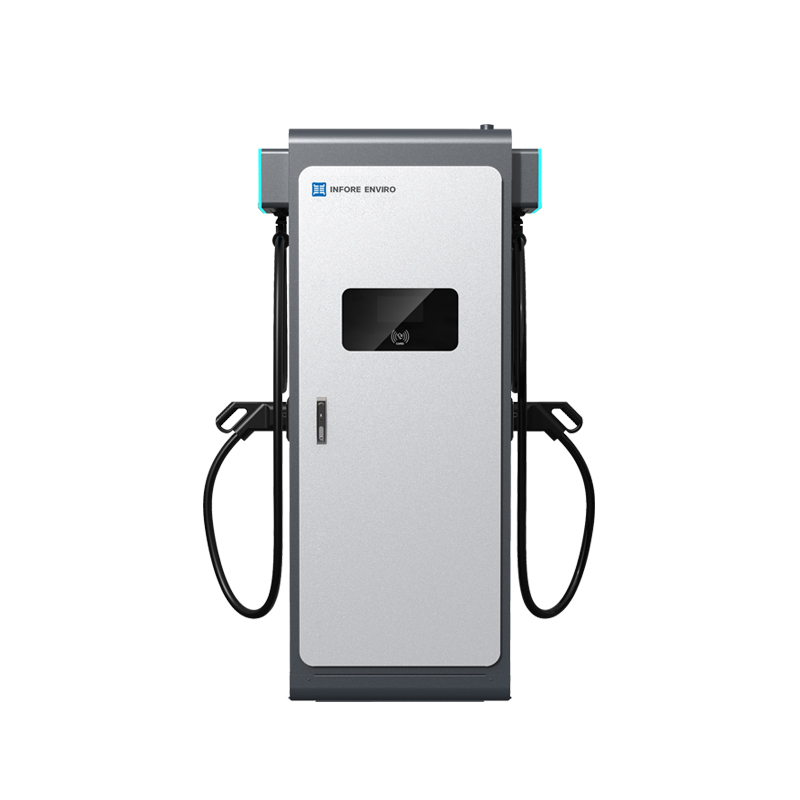
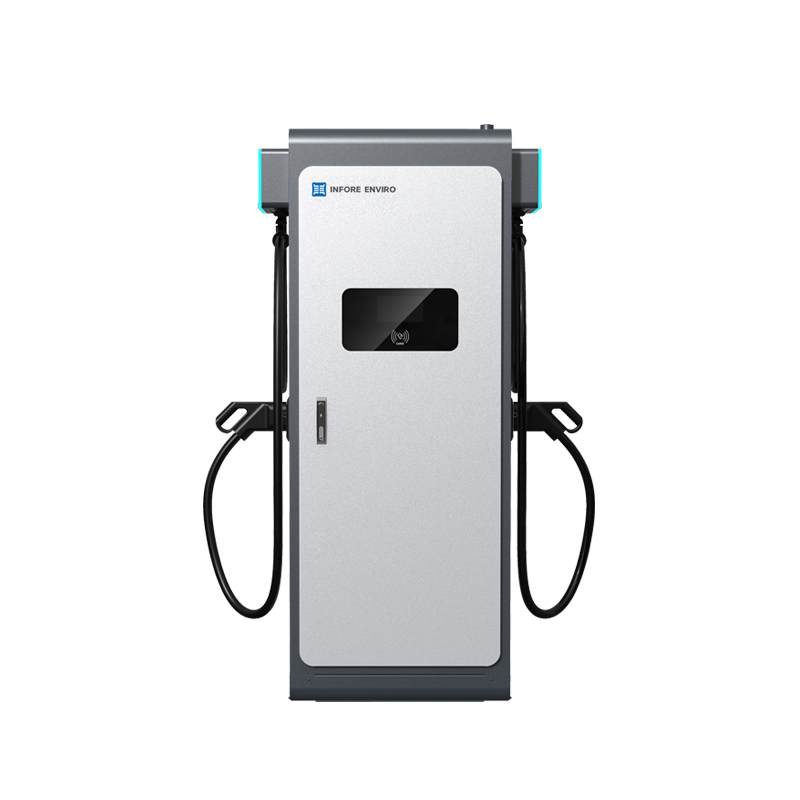
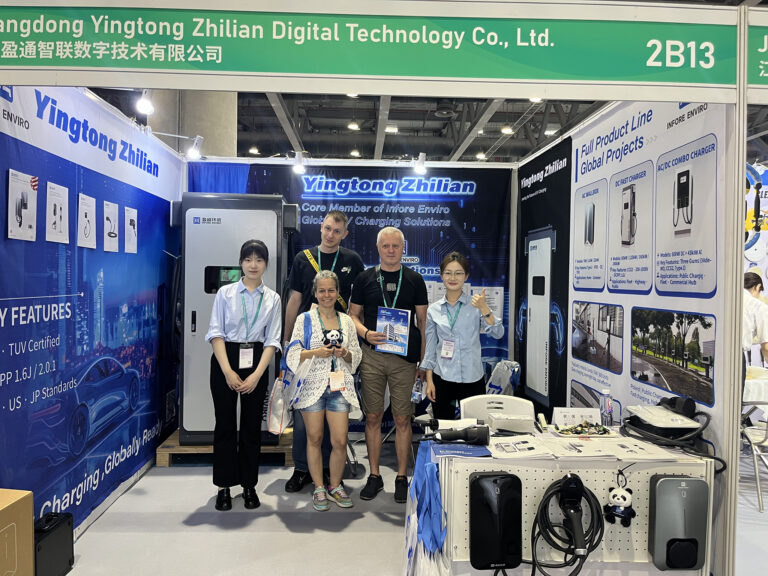
When the chips are down, the right supplier is the one who can prove performance under load and commit to rapid support—this is where INFORE ENVIRO naturally fits as a partner for sourcing and scaling charging deployments. INFORE ENVIRO — ready to supply.