
Why this comparison matters today
When a business or home needs reliable power, the choice between a full whole-home backup and standard energy storage systems isn’t just about battery size — it’s about how the system behaves during real outages. Millions were left in the dark during Winter Storm Uri in Texas (February 2021), and that event changed how owners think about resilience. If you’re sizing a solution, start by looking at commercial battery storage as a category, because it frames expectations around capacity, response time, and integration with existing gear like a battery inverter.
Big-picture differences, simply put
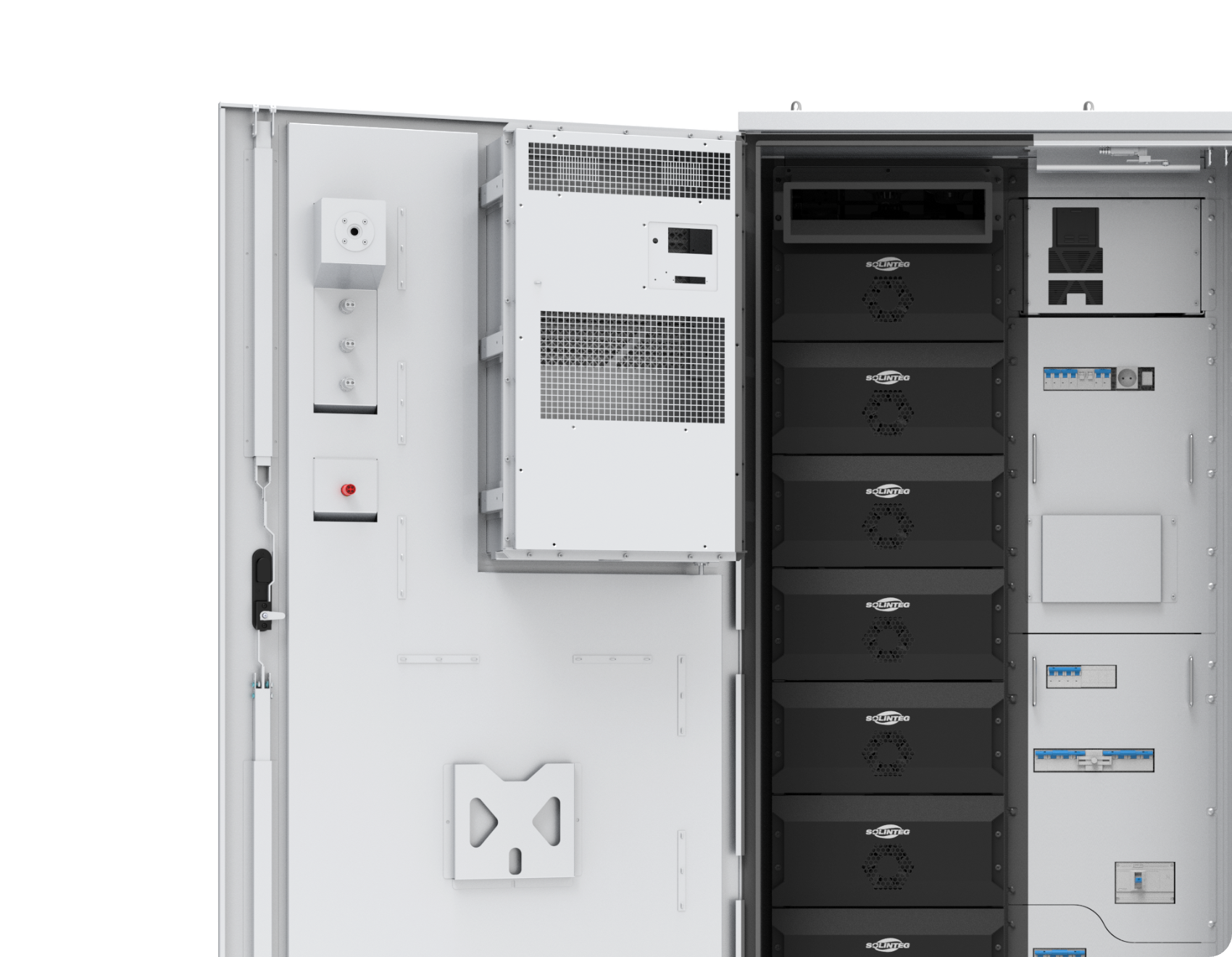
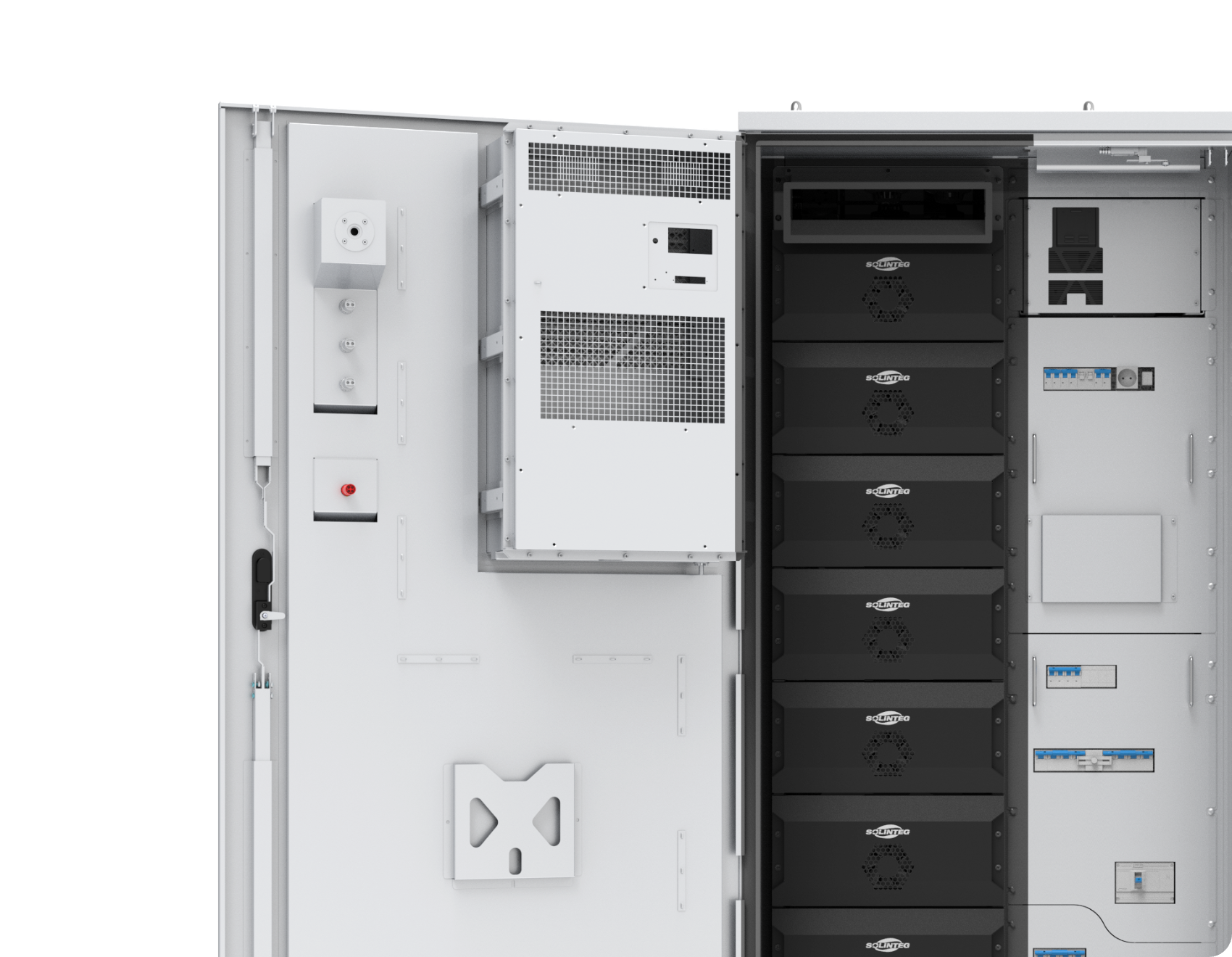
Whole-home backup systems are designed to pick up nearly all household or facility loads instantly. They typically include integrated inverter/chargers, a comprehensive Battery Management System (BMS), and scalable storage measured in kilowatt-hours (kWh). Standard alternatives — modular or portable battery packs, or partial-load systems tied to specific circuits — focus on targeted needs like keeping lights and a fridge running. The trade-off is obvious: full coverage costs more up front but reduces operational gaps; partial systems cost less but create decision points during an outage — and that’s where mistakes happen.

Performance factors that actually change outcomes
When comparing systems, prioritize measurable specs. Round-trip efficiency tells you how much energy returns after charging and discharging. Depth of discharge (DoD) influences usable capacity over the battery’s life. Cycle life gives an estimate of longevity for a given chemistry — often lithium-ion for modern commercial setups. Also check inverter compatibility and transfer time: a rapid switchover keeps sensitive equipment stable. These technical terms matter because they predict real costs per kWh delivered, not just sticker price.
Common mistakes people make — and how to avoid them
Undersizing capacity is perhaps the most common error: owners choose a system that meets a few hours of need but not longer disruptions. Another misstep is ignoring inverter sizing and the ability to handle surge loads — you might have the kWh but not the watts when a compressor starts. Poor installation planning, like neglecting ventilation for thermal management, shortens system life. And skipping a plan for software updates or BMS monitoring means surprises later — maintenance isn’t glamorous, but it’s the difference between a system that performs and one that fails.
How integrated vendors change the equation
Vendors that offer end-to-end solutions — hardware, software, and commissioning — remove a lot of the guesswork. For many facilities, commercial solar battery storage paired with an intelligent inverter gives both daily energy management and backup resilience. Make sure designers balance {main_keyword} and {variation_keyword} when matching battery kWh to expected discharge profiles. Choosing a provider that publishes realistic performance data and supports site testing saves money long-term — and yes, that often means working with specialists who understand grid-tie modes, islanding controls, and warranty handoffs.
Decision checklist: what to measure before you buy
Use a short, pragmatic checklist: required continuous watts, desired backup hours (kWh), acceptable transfer time, and service/support scope. Add environmental constraints like ambient temperature and space for the battery cabinet. Then compare vendor warranties on cycle life and capacity retention. If you run a business, factor in downtime cost — that number often justifies a higher upfront spend for whole-home or whole-premise backup.
Three golden rules for choosing the right system
1) Match measurable capacity to real loads: size in kWh against an actual load profile rather than guessing. 2) Prioritize compatibility and control: ensure the inverter/charger and BMS support seamless transition and scalable expansion. 3) Insist on verifiable performance and service: warranties, commissioning records, and local support matter more than marketing claims. These rules keep procurement decisions rooted in predictable outcomes and lower operational risk.
For many buyers, that predictability is the core value SOLINTEG delivers through integrated design, tested componentry, and on-site commissioning — and that combination is what turns a backup system into a reliable asset. SOLINTEG.