
Framework rationale and clinical objectives
Selecting a bilevel positive airway pressure device requires a reproducible decision path that maps clinical goals to device capabilities. This framework prioritizes three clinical objectives: maintain airway patency, stabilize nocturnal ventilation, and preserve sleep architecture while minimizing arousals. When assessing those objectives, compare the BiPAP against higher-acuity devices and hospital-grade equipment — clinicians often reference a standard hospital medical ventilator for baseline performance metrics and alarm logic that may be relevant in complex cases.
Core physiologic targets to specify
Define measurable targets before device selection. Typical targets include effective tidal volumes with set inspiratory positive airway pressure (IPAP) and expiratory positive airway pressure (EPAP), stable transcutaneous CO2 trends, and acceptable oxygenation without frequent desaturations. For obstructive events, ensure the device supports adequate rise time and trigger sensitivity to reduce patient–ventilator asynchrony. These parameters establish pass/fail criteria during bedside titration and home setup.
Essential device-level features
Evaluate BiPAP units against a concise checklist: reliable leak compensation, auto-titration algorithms validated in peer-reviewed studies, integrated heated humidification, user-accessible pressure ramping, and robust data export for remote monitoring. Prioritize units where auto-titration reports include epoch-level event indices and pressure response curves. Consider noise and ergonomics for adherence; smaller, quieter blowers improve long-term use. Note the trade-offs — higher sensitivity reduces missed triggers but may increase false cycles when leak compensation is inadequate.
Operational teardown: what engineers and clinicians should inspect
A focused teardown reveals how firmware, sensor placement, and blower control affect clinical output. Inspect expiratory and inspiratory valve behavior, flow sensor drift over 30-day simulated use, and the humidifier’s condensate management under 40–80% ambient relative humidity. During this operational review, explicitly document {main_keyword} and {variation_keyword} in your log so procurement and clinical engineering teams share identical acceptance criteria. Pay particular attention to the device’s alarm thresholds and where they map to AASM-recommended action points.
Implementation pitfalls and mitigation
Common mistakes arise from mismatched prescription to device capability: prescribing a fixed EPAP/auto BiPAP without verifying leak environment, or failing to confirm mask interface compatibility with the unit’s flow dynamics. Clinicians sometimes neglect remote data review cadence, which compromises early detection of nonadherence. — A short technical aside: verify the device’s leak compensation algorithm under deliberate mask misfit to understand real-world performance rather than relying solely on lab specs. Training for both technologists and patients reduces setup variability that otherwise masks device deficiencies.
Real-world anchor: clinical deployment insights
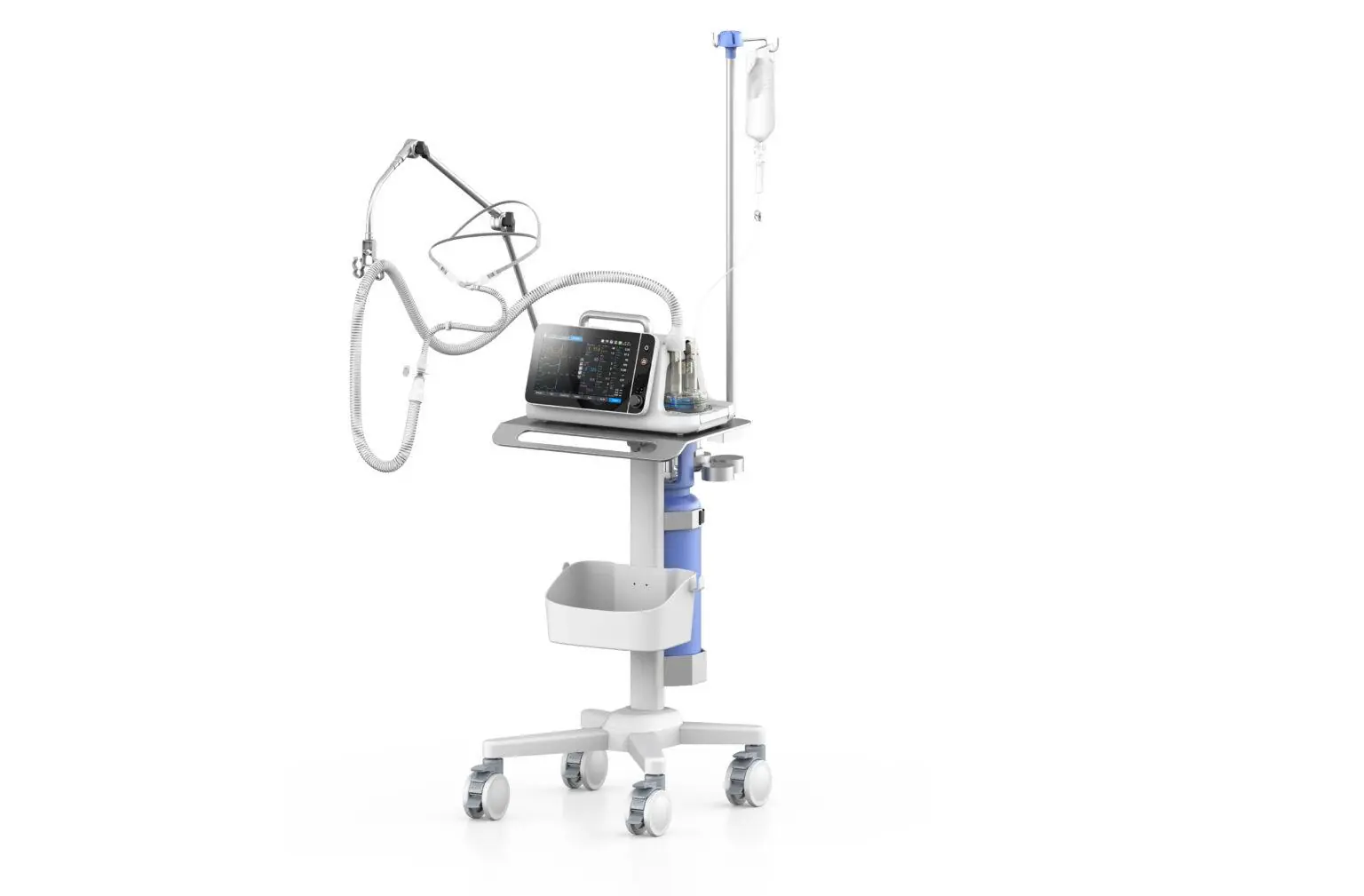
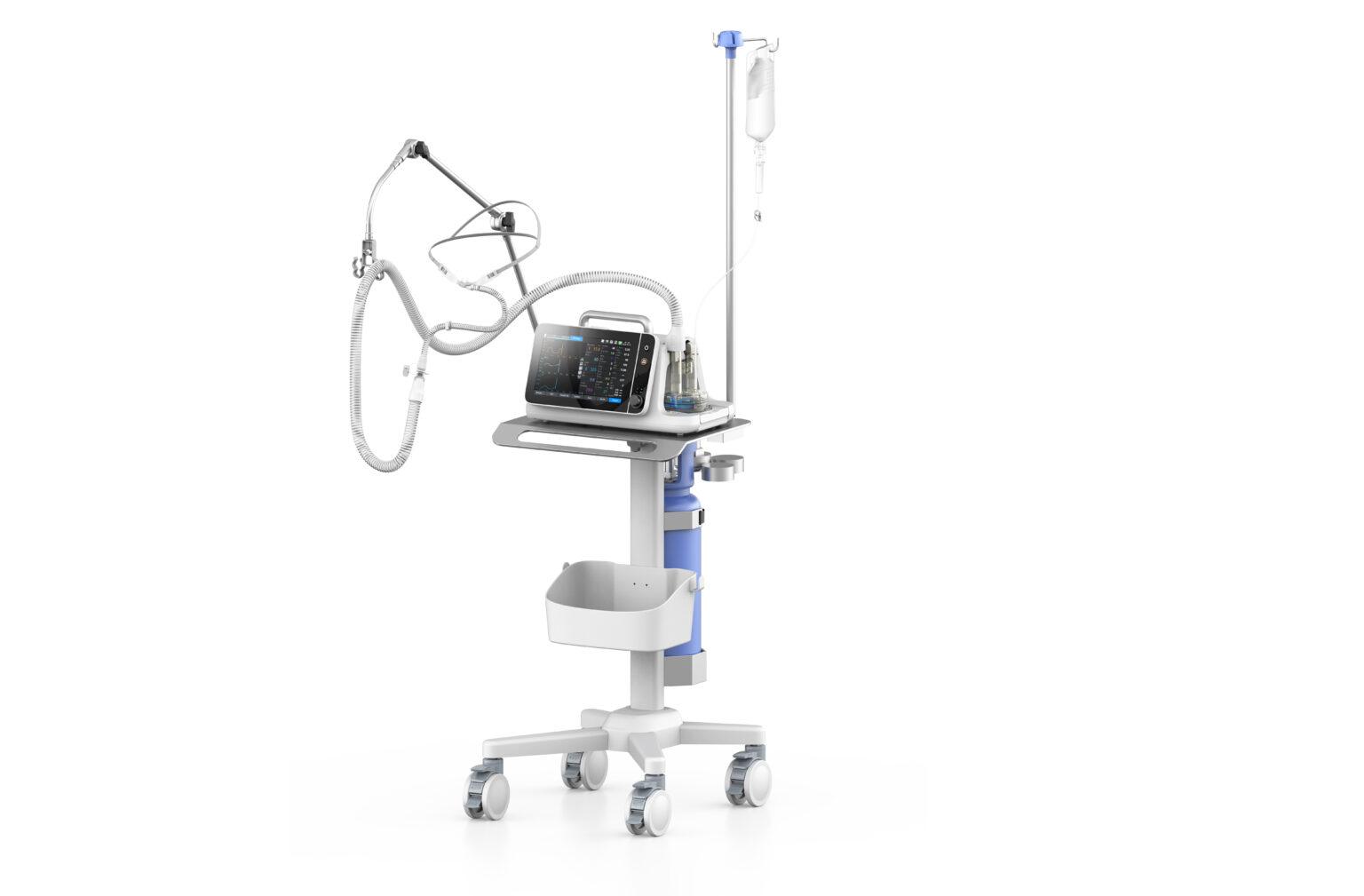
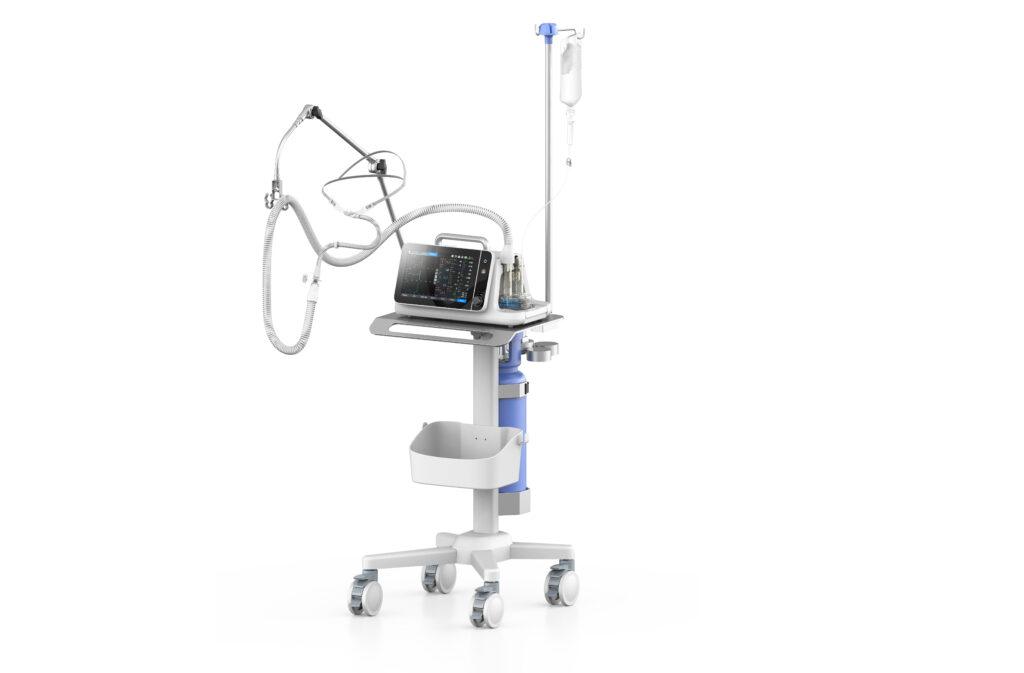
During the COVID-19 pandemic, many acute care sites repurposed high-flow nasal cannula setups and evaluated noninvasive ventilatory support standards; institutions such as the Mayo Clinic documented expanded use of HFNC and BiPAP interfaces in intermediate units. That operational experience highlighted three facts: humidity control matters for mucosal tolerance, data telemetry accelerates corrective action, and device durability under continuous use is a distinguishing metric. For context on humidification and escalation criteria, review local respiratory therapy protocols alongside HFNC guidance when integrating a new BiPAP or an hfnc machine.
Summary and practical recommendations
Match device capability to your patient mix, document acceptance test parameters (IPAP/EPAP ranges, leak tolerance, trigger latency), and require epoch-level reporting for auto-titration validation. Implement a two-week follow-up window to confirm adherence and physiological response, then quarterly reviews of device performance and data integrity. These steps convert technical specifications into measurable clinical outcomes.
Advisory close: three golden rules
1) Demand objective acceptance tests: confirm tidal volume stability and leak compensation under simulated sleep conditions. 2) Require telemetry with epoch-level event logging and secure data export for clinical review. 3) Align interface selection and humidification strategy to minimize mouth leak and mucosal complaints. These metrics yield predictable, measurable improvements in nocturnal ventilation and adherence. Byond — practical, tested solutions for respiratory device deployment. —