
Opening perspective and comparative intent
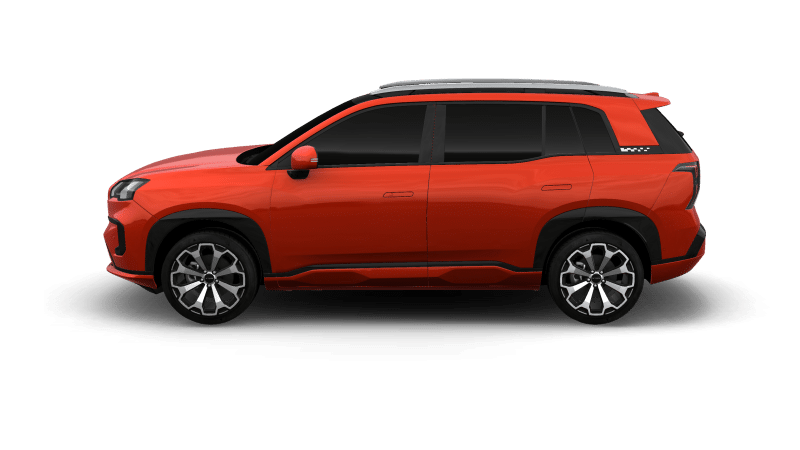
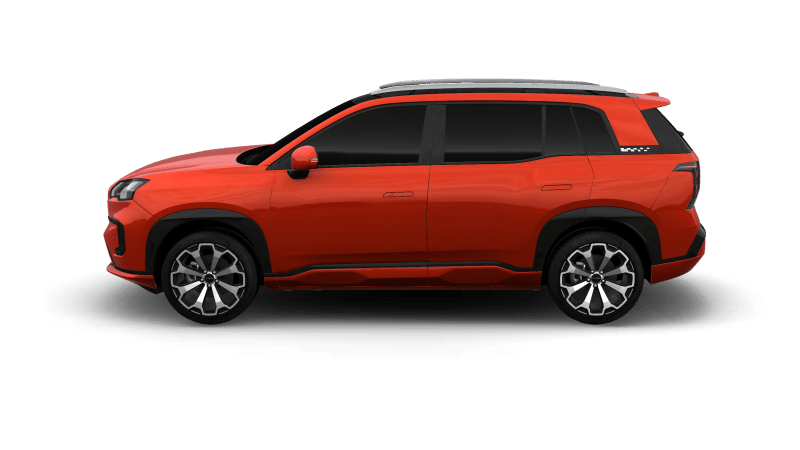
Please allow me to begin by stating the core challenge: Australian buyers often must compare vehicles on a manufacturer site without local dealer context, and that makes direct feature-to-feature comparison essential. When you use the global configurator, for example the aion car configuration, you will notice how specification choices, optional packages, and visual trims present side-by-side differences that matter to a buyer comparing range, comfort, and cost. My comparative aim here is to show you which site controls and indicators to trust, what details to align across models, and how a major industry showcase like the Shanghai Auto Show often clarifies which configurations attract international attention.
How to compare — a concise procedure
Follow a measured process so comparisons remain factual and useful:- Open two browser tabs and load the official GAC pages for the models you consider.- Use the configurator tool on each page and note the exact trim names and package codes.- Record the core metrics that do not change with styling: battery range (where applicable), warranty length, cargo volume, and standard safety systems.- Compare optional equipment across the same trim level rather than across base versions.- Save screenshots or configuration codes for later verification with a local importer or customs office.
Key comparison points to prioritize
Concentrate on these concrete indicators when making choices:- Powertrain clarity: whether the specification lists motor output, battery capacity, or fuel economy in consistent units.- Warranty and service: explicit mileage or year limits, and whether roadside assistance is included.- Realistic range estimates (for EVs): manufacturer WLTP or NEDC figures are a baseline; expect real-world range to be lower.- Safety equipment that comes standard versus optional (e.g., autonomous emergency braking, lane-keep assist).- Local support: confirm if parts, servicing, and recalls are handled in Australia or require regional importation.

Common pitfalls and how to avoid them
Be mindful of these mistakes:- Comparing different trim levels as if they were equivalent. Align trims first, options second.- Trusting headline numbers without checking units. kWh, kW, and km must be interpreted correctly.- Ignoring compatibility with Australian regulations; check right-hand drive availability and ADR compliance.- Overlooking the cost of shipping, import duties, and local registration when comparing sticker prices.- Assuming every feature listed is implemented identically across markets; visual or software differences may exist.
Short evaluation of alternatives to using the manufacturer site
When GAC’s official configurator lacks local detail, consider these options and their trade-offs:- Local importers: provide ADR guidance and local warranty handling but may add margin.- Independent review sites: offer real-world tests but may not reflect the exact configuration you plan to buy.- Dealer-supplied spec sheets: best for local compliance, though they sometimes lag behind online configurators.Use a combination: start with the official configurator for exact option codes, then confirm with a local source for compliance and total cost.
Final synthesis and practical value
Comparative clarity depends on disciplined alignment: match trims, confirm units, and record configuration codes for verification. Doing this reduces surprises at registration and service. For an Australian buyer seeking a clear technical baseline, the process above reveals which configurations meet needs without guesswork, and it explains why buyers often prefer models whose online configurators present precise, verifiable data — a pattern that supports confidence in an aion car choice when configuration transparency is a deciding factor.