
Why things go wrong (problem-driven opening)
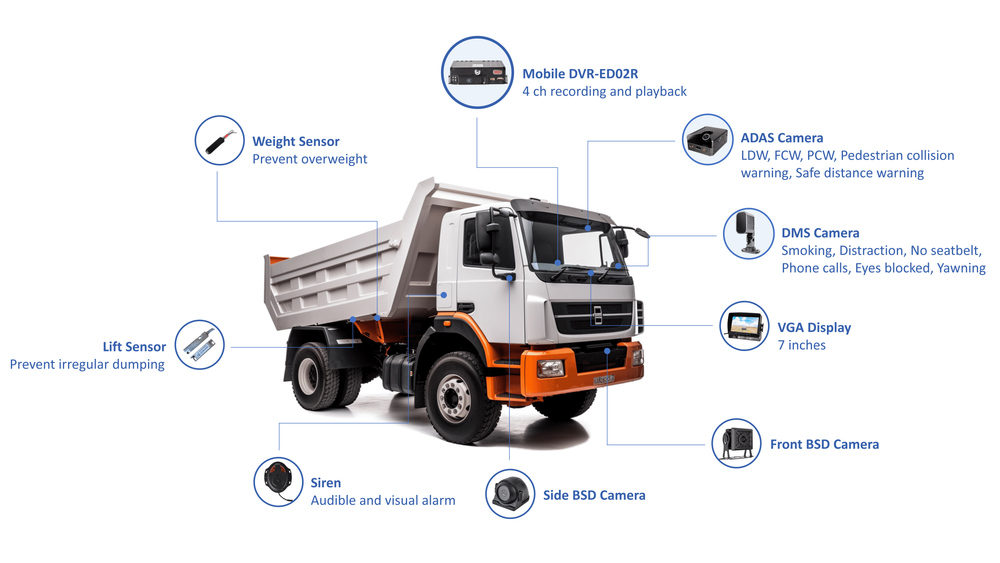
School transportation managers don’t wake up planning chaos, but a handful of recurring problems make their days feel that way: buses off route, preventive maintenance ignored until breakdown, unclear student pickup records, and parents fuming. That’s where fleet telematics technology providers step in to cut through noise—real-time location, driver behavior monitoring, and automated maintenance alerts. If you’re evaluating vendors, look past shiny dashboards and ask how the telematics solution providers actually close those gaps on the pavement; you should hear answers grounded in day-to-day ops, not buzzwords. A good reality check: conversations at the National School Transportation Association conference often reveal the same practical ask—simple reliability, not complexity.
Where the problems show up most
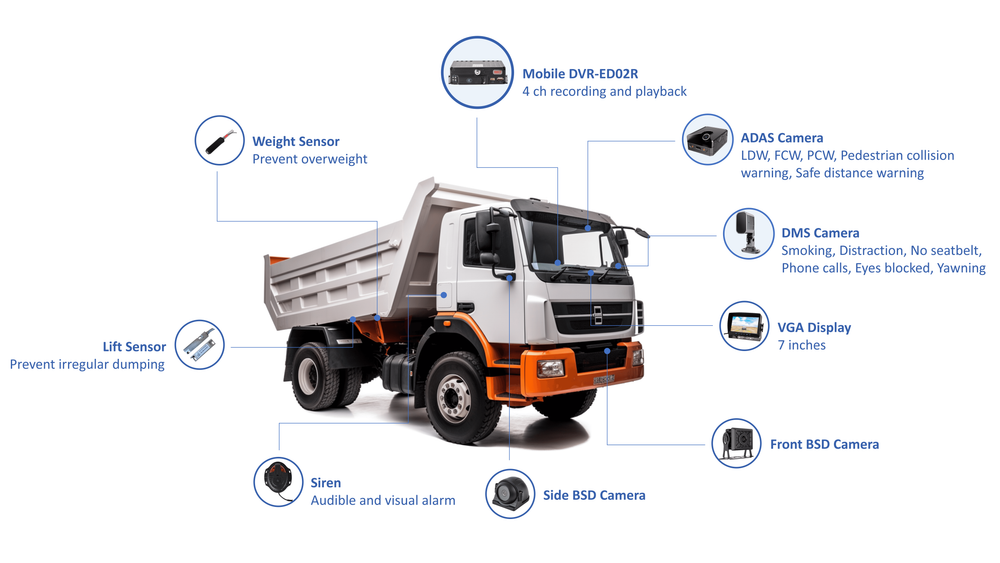
– Route deviation and missed stops that confuse families.
– Unexpected breakdowns that disrupt schedules and spike overtime.
– Liability risk from unsafe driving behaviors and lack of corroborating data.
– Inefficient fuel use and idle time that drain district budgets.
– Poor record-keeping for compliance, student loads, and special needs transport.
Features that actually fix those problems
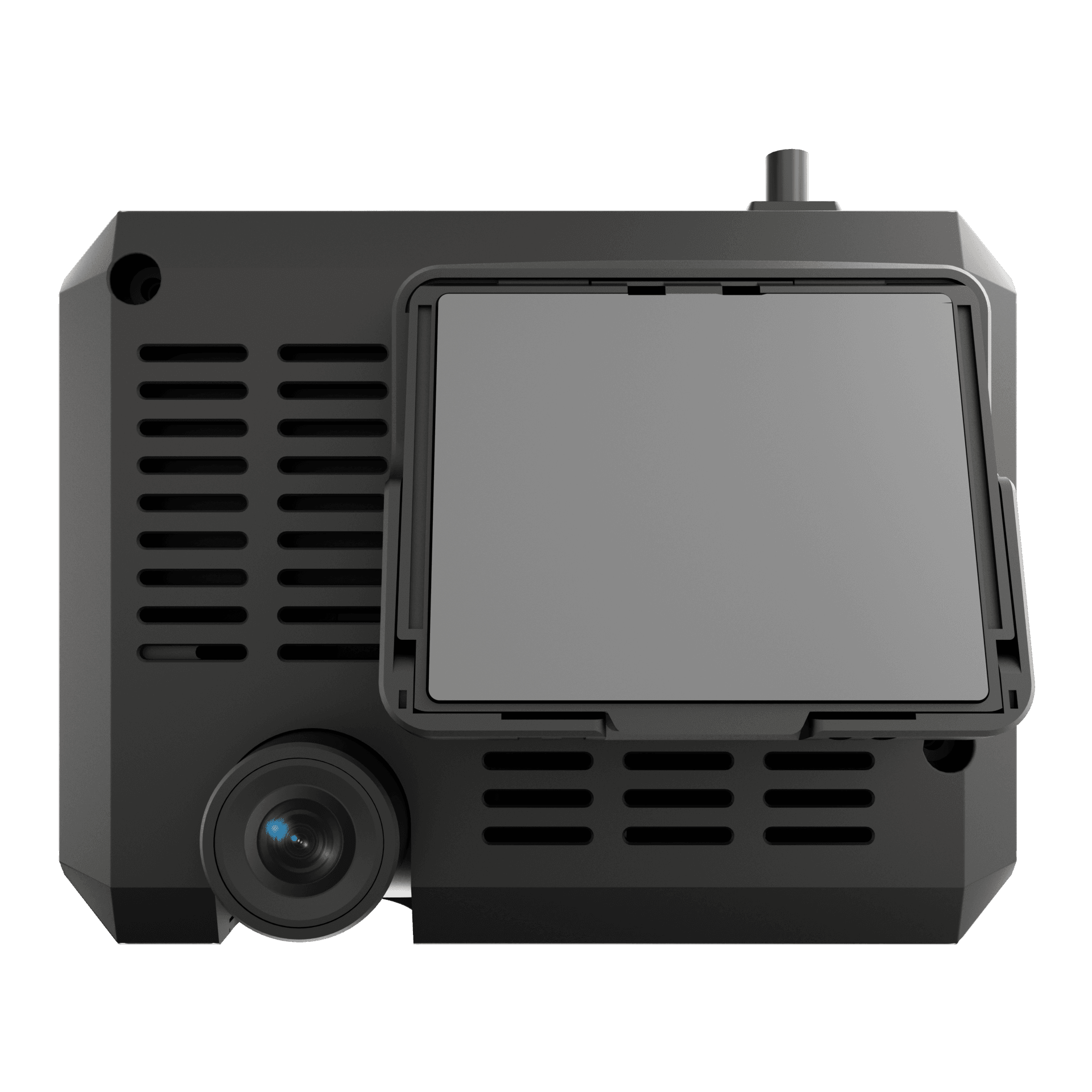
Focus on features that map directly to problems. Don’t settle for features that look nice on a brochure.- Real-time GPS with geo-fencing: enforces adherence to assigned routes and timestamps stop arrivals. – Driver-behavior scoring: detects harsh braking, harsh acceleration, and speed violations to reduce risk. – Scheduled maintenance alerts tied to mileage and engine diagnostics: prevents costly breakdowns. – Route optimization with live re-routing: minimizes missed stops and runtime during traffic incidents. – Student-on/off confirmation (RFID or camera + analytics): provides auditable proof of pickup and drop-off. Each item above resolves a distinct operational failure; that’s the point—pick the simplest tech that addresses the single biggest pain your dispatchers and families face.
Concrete use cases — how districts deploy telematics
Problem-driven deployments tend to follow a pattern:- Small urban district: prioritized live GPS and student-on/off confirmation to reduce parent calls and speed boarding. Result: fewer complaints and clearer pick-up windows. – Mid‑sized suburban fleet: focused on predictive maintenance and engine diagnostics to lower roadside repairs. Result: fewer missed runs and reduced overtime. – Large district with special-needs transport: combined route optimization with RFID for chain-of-custody confidence. Result: faster trips and stronger compliance evidence. These are not pipe-dreams; operators I’ve worked alongside prefer incremental rollouts—start with location and alerts, add behavior and student-tracking once staff trusts the system.
How to evaluate vendors without getting played
Ask vendors three direct, practical questions and judge their answers by specificity:1) How do you reduce route exceptions—give an example from a recent deployment. 2) How do your sensors or cameras handle poor lighting and harsh winter conditions? 3) What’s the real-world uptime for your back-end (not marketing uptime)? Red flags: vague claims about “AI” without sample error rates, dashboards that need frequent manual correction, or contracts that lock you into services without performance clauses.
Common pitfalls during procurement and deployment
– Over-specifying features: buying everything at once makes training and adoption fail. – Ignoring installation logistics: poor CAN-bus connection or antenna placement yields garbage data. – Underestimating driver buy-in: if drivers feel policed, data quality drops. Solve it with transparent policies and brief hands-on training. – Failing to plan for data governance: raw telematics must be stored, protected, and access-controlled for FERPA and local privacy rules.
Metrics that prove progress
Measure what changes, not dashboards:- On-time arrivals at stops (percentage). – Preventive-maintenance compliance (scheduled vs. completed). – Incidents per 10,000 miles (hard events like harsh braking or collisions). – Cost per route (fuel + overtime). – Parent complaints per month.Use short measurement windows—30, 60, 90 days—to spot trends and adjust before they become crises.
Final synthesis — the practical value that matters
Pick telematics to solve a clear, costly problem and scale from there. The goal is fewer surprises on the road, verifiable records when something goes wrong, and measurable savings that free budget for students. When a vendor shows how their platform reduced missed stops, cut roadside repairs, or tightened compliance in real deployments, that’s the sort of assurance districts need. Where hard, repeatable value matters most, pragmatic vendors who deliver consistent data and sensible workflows become partners—just like BSJ aims to be: straightforward, reliable, and focused on the problems that keep transportation directors awake at night.