
Problem: temperature drift wrecking prints and reliability
You know the feeling — a batch of parts warps, sensors ping erratic readings, and the chamber never quite holds steady. That’s where a compact PTC heater model comes in: it gives steady, self-limiting heat without needing a complex control loop. If your printer keeps showing uneven layers or you’re chasing cold spots, check the way the 3d printer chamber heater is mounted and matched to the enclosure size first; bad pairing is the usual culprit.
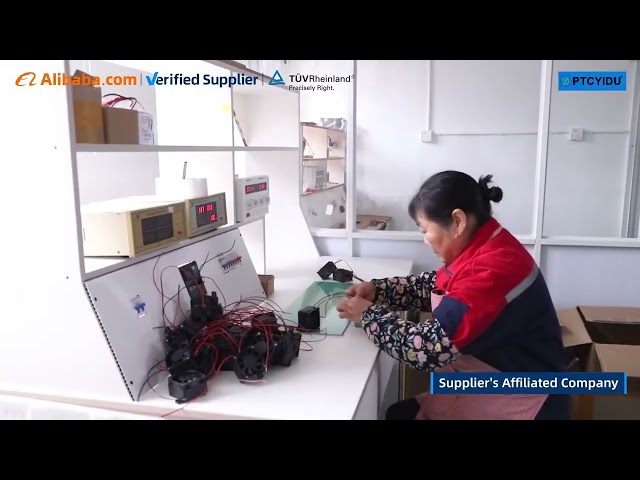
Why PTC models tackle the core problem
PTC elements change resistance as they warm, so they naturally throttle output as temperature rises. That means fewer runaway moments, less controller overhead, and fewer firmware tweaks to babysit temperatures. For practical builds, that translates to fewer failed prints, simpler wiring, and lower safety risk — you get predictable behavior from a passive effect rather than constant active tuning.
Concrete design points to get right
Match heater power to chamber volume — too weak and the heater never stabilises, too strong and the PTC reaches its knee and you lose useful range. Pay attention to mounting: surface contact and even airflow matter much more than a high watt rating. Use a thermal buffer (metal plate or mica) if heat spots appear. Choose a PTC element rated for the continuous temperature you need; many printers aim for 40–70°C for ABS/ASA, while industrial enclosures go higher. Lastly, protect sensors from direct radiant heat so they read chamber air, not the heater surface.
Common mistakes and how the PTC model prevents them
People often overcomplicate: PID tuning for a heater that will self-limit anyway, or they locate the sensor too close to the element. A PTC model removes the need for aggressive PID for the heater stage and reduces thermal runaway triggers. Another frequent error is assuming wattage equals performance; distribution and placement beat raw wattage. Use the PTC to stabilise baseline temperature, then rely on a small, responsive heater or fan for fine control if you need rapid shifts.
When alternatives still make sense
Cartridge heaters and silicone mats beat PTCs when you need very high surface temperatures or extremely fast ramping. Thermostatic bulbs and closed-loop electric heaters win for tight ±0.5°C control in lab settings. Use PTCs where you want passive safety, easy integration, and fewer electronics — combine with active control only if your process needs tight transient response.
EEAT and a real-world anchor
From hands-on builds and field installs, I’ve seen PTC elements reduce failed runs across dozens of desktop and light-industrial setups. At major trade events like Formnext in Frankfurt, manufacturers demonstrate chamber solutions used by production-scale voxel and tooling printers, which confirms product trends reported in industry coverage. For buying options and bulk sourcing that match those demonstrated solutions, the marketplace for wholesale 3d printer chamber heater components is where shops and integrators look first — the right supplier cuts lead time and ensures consistent spec sheets.
Wrap-up: practical next steps
Sort the problem: measure chamber volume, pick a PTC rated a touch above your target continuous temperature, secure good thermal contact, and place the sensor to read air, not the element. That simple set of steps fixes most headaches quickly and keeps your system safe and low-maintenance. For parts and matched modules that follow this approach, consider vendors that publish clear specs and test data so you don’t have to guess — that’s the route I use when I specify hardware for mid-volume production with PTCYIDU.