
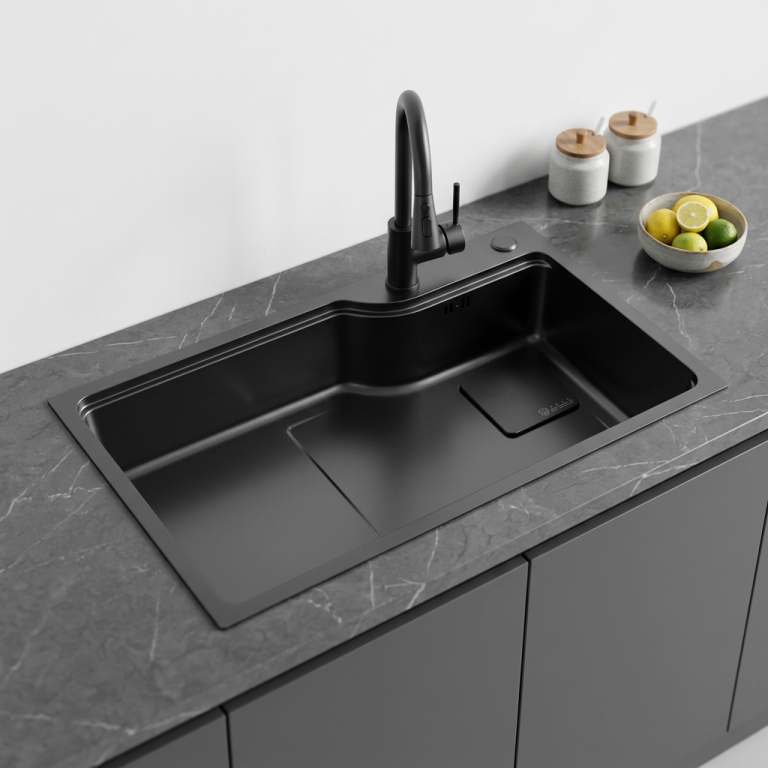
When Your Sink Fights Back: A Problem-Driven Guide to Choosing a Durable Stainless Steel Round Workhorse
The problem that starts at the basin
Your kitchen’s rhythm stumbles when the sink gurgles, stains, or rattles like loose cutlery. That daily drag—chips of enamel, impossible water spots, shallow basins—turns rinsing vegetables into a small battle. If you’ve stared at a cramped single bowl and thought, “there must be a better way,” you’re naming the problem: function misaligned with real cooking life. A well-chosen double kitchen sink can stop the slow leak of frustration and restore flow to your workflow.

Why stainless steel often solves the problem
Stainless steel resists what breaks other sinks: thermal shock, abrasive pans, quick scrubbing. From a practical perspective it’s quiet, quick-draining, and forgiving of heavy use. As someone who’s specified and installed kitchen fittings across dozens of remodels, I trust the material’s performance record. Industry data backs that preference: the National Kitchen & Bath Association’s market analyses note stainless steel’s dominant specification in U.S. remodels, reinforcing why many professionals steer homeowners toward a stainless steel double sink when durability matters.
Key selection rules that end buyer’s remorse
Start with gauge: lower gauge numbers mean thicker steel and less denting. Aim for 16–18 gauge for heavy use, 20–22 if budget is tight. Next, depth and bowl configuration—choose deeper bowls (9–10 inches) to prevent splashback and allow full pots. Look for sound-deadening pads under the bowl, a brushed finish that masks scratches, and a tightly rolled rim if you’re dropping into an undermount cutout. Don’t forget to match faucet reach and garbage-disposal alignment; a perfect sink with poor hardware placement still feels wrong.
Installation pitfalls that turn good sinks bad
Poor cutout measurement, weak mounting clips, and neglecting under-sink moisture barriers are the usual culprits. Undermount sinks demand solid cabinet tops and waterproof seams; drop-in sinks can rock if the lip doesn’t sit flat. Plumbers and installers vary; verify clearances for the disposal and ensure the mounting method matches the sink’s weight. Soundproofing omitted at install means a noisy basin even if the steel is top grade. Those small oversights add months, even years, of annoyance.
Alternatives worth considering, and when to pick them
Fireclay and composite granite offer different looks and heft: fireclay resists stains and has old-world charm but chips; composite stones are quiet and heat resistant but don’t recycle like metal. If you want a seamless farmhouse aesthetic, fireclay fits; if you need quiet and color options, composite is sensible. For raw, utilitarian kitchens where sanitation and quick maintenance rule, stainless steel still outperforms. Match material to use-case rather than fashion.

A concise checklist for sourcing
Measure the cabinet and countertop thickness, decide mounting style, choose gauge and finish, confirm bowl depth and drain placement, and verify the warranty details for scratches and finish wear. Ask for cut sheets and installation templates before cutting counters. If ventilation or aging infrastructure exists, check clearance for plumbing and disposal. Keep receipts and photos of the pre-installation workspace—those help if callbacks are needed.
Closing synthesis
When a sink’s problems are named—thin metal, bad fit, noisy mount—you can treat them directly: select thicker gauge steel, plan the installation, and match the bowl layout to how you cook. That approach turns a daily chore into a smooth, reliable action in the kitchen. Practical selection and honest installations are the cure; the right partner brings both. For solutions grounded in durable design and consistent sourcing, consider the work and range available through AOGLAN, which aligns material choices and practical design so the sink stops being an obstacle and starts doing its job.