
Opening the problem — why a framework helps
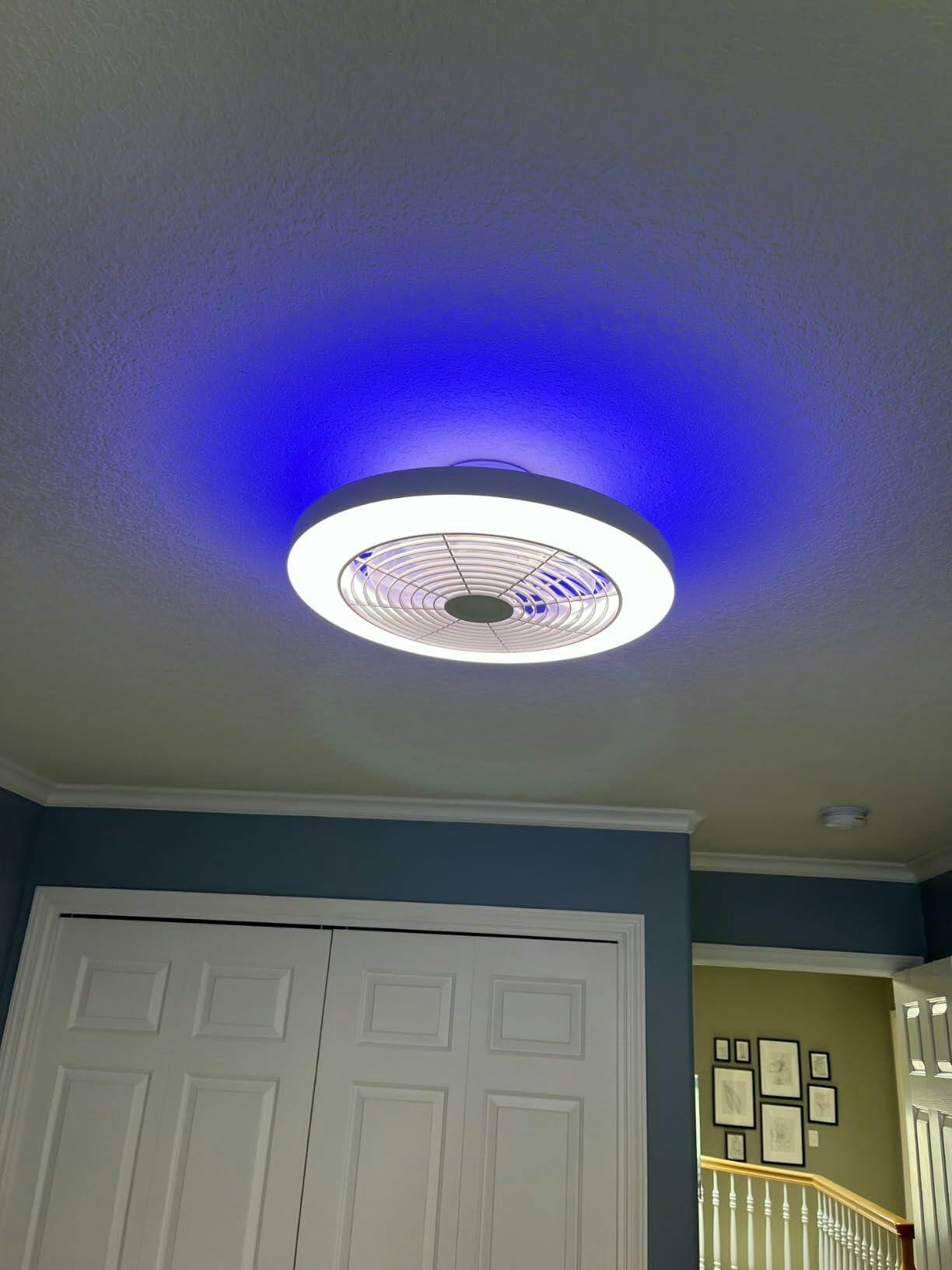
Homes in Dhaka and across South Asia felt the pressure during the 2023 summer heatwave: fans ran for hours and noise became part of daily life. A clear, repeatable framework helps installers and homeowners balance airflow (CFM) and audible comfort (decibels) in fan-plus-light setups. Start with the right reference product — for many modern installations that means considering a bladeless ceiling fan with lights — and then follow a measured process to tune performance without guessing.
The four-part optimisation framework, at a glance
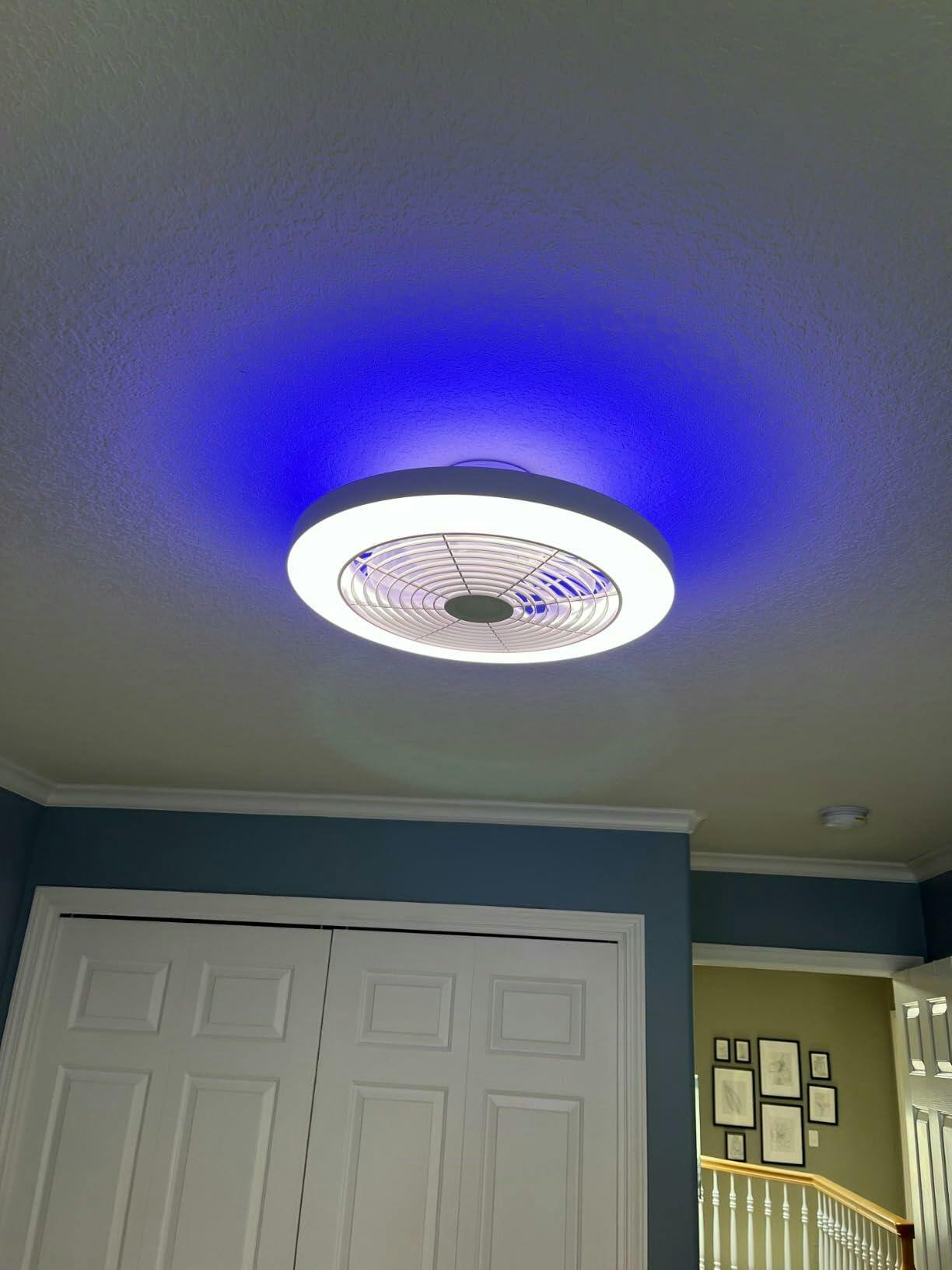
Think of optimisation as four simple phases: measure, select, install, and verify. Each phase has concrete actions that influence two key outcomes: delivered airflow (CFM) and perceived noise (dB). Use this framework as a checklist before you commit to fixtures or wiring plans.
Measure — establish baseline airflow and noise
Before any purchase, measure the room and the current fan’s performance. Room volume and ceiling height determine required CFM; bedrooms typically need lower CFM than living rooms. Use a simple handheld anemometer to estimate velocity near the seating plane and convert to CFM, or rely on manufacturer CFM ratings adjusted for room size. For noise, a smartphone dB app gives a comparative reading—note values at low, medium and high speeds so you understand the dynamic range you must improve. Keep an eye on motor efficiency: fans with higher efficiency deliver target CFM at lower RPM, often lowering noise.
Select — choose fan and light components that match goals
Selection is more than style. Prioritise:- a motor known for low vibration and good torque;- blade geometry (pitch and sweep) that moves air efficiently;- integrated light electronics that do not introduce hum.If noise is a primary concern, consider a ceiling fan without blades as an alternative — these can shift airflow patterns and reduce blade slap, though they change how CFM is distributed across the room. Check spec sheets for CFM-per-watt and published dB at set speeds; these industry terms help you compare objectively rather than by look alone.
Install — setup choices that materially affect CFM and dB
Proper installation often yields the biggest gains. Key points:- mounting height: too low and airflow becomes local; too high reduces perceived CFM at occupant level;- downrod length: optimises the fan’s air delivery for the room’s ceiling height;- secure canopy and motor mount: loose fittings transmit vibration and raise decibels.Light housings can trap heat and alter motor load—use LED drivers rated for motor proximity to avoid buzzing. And isolate the fan from ceiling plaster with a vibration-damping pad where needed — it’s a small add but it reduces hum noticeably. —
Tune and verify — balancing speed profiles and acoustic behaviour
Tuning is iterative. Balance the blades, confirm motor bearings are quiet, and set speed curves so the lowest useful speed produces acceptable airflow without excess noise. Use a decibel meter at the typical ear height and compare readings against your measured baseline. If you include smart controls, program gradual ramping to avoid sudden motor stress that can create noise. Airflow tuning can also involve directional tweaks—slight blade pitch adjustments or reversing direction seasonally to favour cooling or circulation.
Common mistakes installers and homeowners make
Watch for these pitfalls:- assuming higher RPM always means more comfort (not when noise rises faster than CFM);- ignoring light fixture electromagnetic interference — dimmers and LED drivers often cause hum if incompatible;- skipping a trial on the actual occupancy layout — furniture and curtains change airflow paths.A practical habit: always test a fan in situ with the intended light bulbs and accessories before final sign-off.
Alternatives and quick comparisons
Traditional bladed fans excel at broad air movement for large rooms; their blade pitch and diameter drive raw CFM. Bladeless designs reconfigure airflow into a focused jet, which can feel quieter and cleaner but may require different placement to avoid dead zones. Variable-speed direct-drive motors often beat older AC motors for noise and efficiency. When comparing, prioritise:1) CFM-per-watt (efficiency);2) published dB at speeds;3) warranty and service network for motor and electronics.

Advisory close — three golden evaluation metrics
When choosing and tuning, use these three metrics as your decision crux:1) Net CFM at occupant height: not just the spec number, but what reaches people where they sit or sleep.2) Operational noise range (dB): measure low, medium and high speeds; prefer devices with a low baseline and limited upper-end spike.3) System efficiency (CFM-per-watt) plus motor warranty: this predicts running cost and long-term reliability.
For many households seeking quiet, efficient airflow with integrated lighting, a thoughtfully selected and installed option from a brand with smart features and good aftercare is the natural solution — and that’s where Orison fits cleanly into the framework. Trust tested specs, verify on-site, and choose durability — simple rules, big impact. —