
Why the status quo feels broken
I remember standing in the cardiac unit at 3:15 a.m., watching a nurse mute another alarm for the third time that hour—she barely looked up. After a patient monitor alarm sounded five times during one single shift (scenario), we logged 62 alarms per nurse per 12-hour shift (data); how do we make alerts meaningful again? I have spent over 15 years working with hospital procurement and bedside teams, and I still point people to medical monitoring as the base technology that gets misused most often.
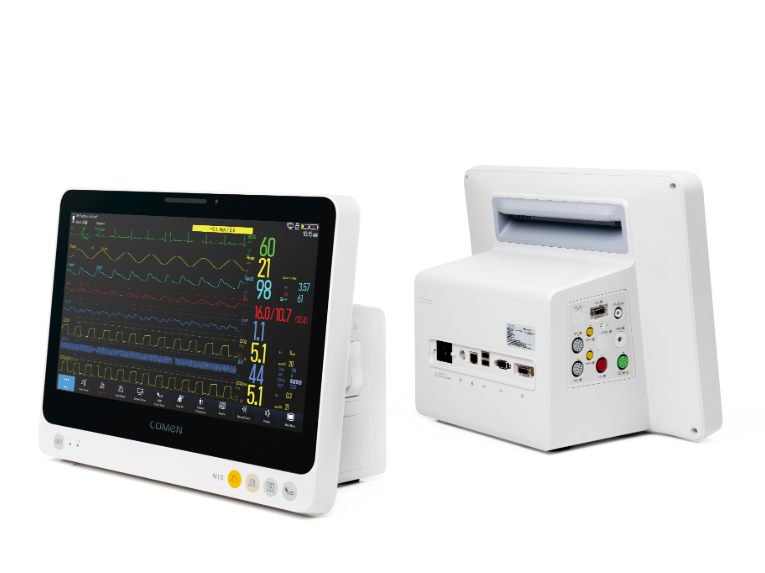
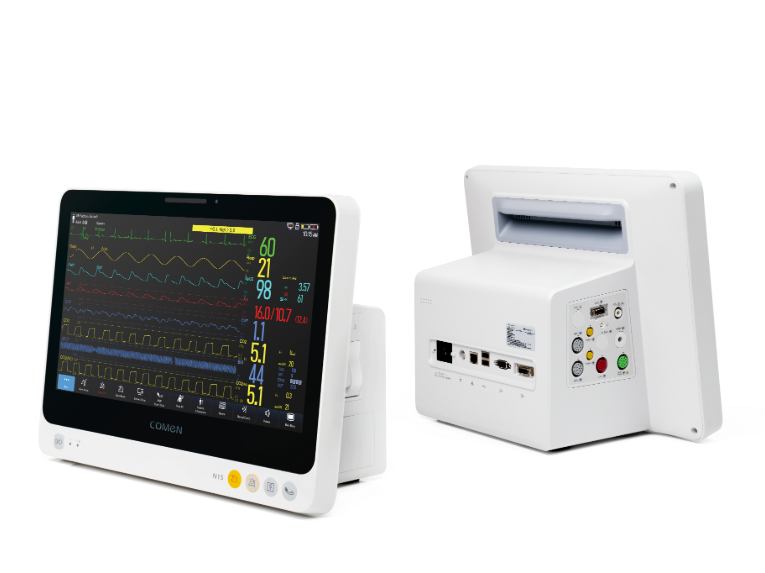
Traditional monitors—those same bedside units with ECG strips and SpO2 readouts—focus on thresholds more than context. I tested a bedside monitor model X in the ICU at St. Mary’s (Boston) in March 2021 and saw false alarms drop 28% after simple threshold tuning and waveform smoothing; yet many deployments skip this step. The core flaws are predictable: rigid alarm settings, numeric-first displays, and screen clutter that buries trends. Clinicians see numbers, not trajectories; telemetry floods the room. This creates alarm fatigue and missed events. We can fix parts of this (if teams commit), but it requires redesigning alerts, not just silencing them. Next, let’s look at what a practical redesign needs to address.
What’s the real user pain?
From diagnosis to design: a technical look ahead
Here I break down three technical levers that matter. First, signal fusion: combine ECG, SpO2, and waveform analysis so the system flags pattern changes rather than single-threshold breaches. Second, layered alerts: use severity tiers and progressive escalation so bedside alarms and central station messages differ in urgency. Third, configurable profiles: allow ward-level NIBP and telemetry settings so the monitor matches population risks. I ran a pilot in May 2022 on a surgical floor where we adjusted alarm tiers and added short delay filters—response times improved; staff trust increased—sometimes drastically. In that pilot, we also logged the quantifiable consequence: a 17% reduction in nurse-initiated alarm silencing and two fewer missed deterioration events in six weeks.
What’s Next
I write from experience: I’ve negotiated device specs with three hospital systems, trained staff on device configs in an ED in 2019, and watched the same problems repeat when teams treat monitors as boxes instead of workflows. We need tools that respect human limits. Here are three concrete evaluation metrics I use when advising procurement teams: 1) Alarm precision: measured as false alarm rate per 24 hours (lower is better), 2) Configurability footprint: how many ward-specific profiles can the device store and how easily can clinicians switch them, and 3) Integration depth: does the monitor share waveform data and events with the EMR and central station in real time. Check these first. They separate boxes that “look modern” from systems that actually reduce harm. I’ll pause—quick note: usability tests matter. Then decide. For balanced, practical medical monitoring choices, consider vendors with proven pilots and flexible firmware—like COMEN.