
Start with the audience — and the room
I’ve learned over the years that picking fixtures isn’t about the newest model on the spec sheet; it’s about the people in the room and the space they’ll occupy. For intimate theater nights you want soft, even coverage; for festival stages you need punch and reliability. I once set the rig for a mid-sized tent at Coachella and the difference between a muddy wash and a crisp stage came down to beam control and proper color mixing — and yes, a discreet white laser light accent that didn’t overpower the band. If you’re comparing wash heads and want a small accent, consider a small laser light for texture without glare.
Core features that actually matter
Years of plugging in rigs show a short list of practical traits beats flashy specs every time: reliable DMX support, sensible beam angle options, consistent color rendering, and serviceability. DMX is the language your console and fixtures speak; make sure the head supports at least 512 channels or RDM for easier troubleshooting. Look for units with adjustable beam angle and good color mixing so you can move between soft washes and tighter looks without swapping instruments. A robust laser diode or LED array matters less on paper than whether the unit stays cool during a long set.
How to match fixture types to roles
Think in roles rather than names: front light, backlight, side-fill, and accents. Moving head wash lights cover broad roles — they hold color and ambience — while narrow-beam moving heads or laser modules handle accents and effects. For a balanced rig: give your front-light heads higher CRI and softer beam angles, keep your back and side lights punchier, and reserve a couple of compact laser or beam fixtures for pattern work. In shows I’ve run, a simple gobo rotation paired with a steady wash improved sightlines and depth more than adding two extra spot fixtures.
Common mistakes and practical fixes
People buy power; they forget control. Big lumens numbers mean little if you can’t shape the light. I’ve seen full-size moving heads placed too close to the stage, creating hot spots. Fix: step back, widen the beam angle, or add diffusion — small moves, big returns. Another typical error is neglecting mounting and cooling access; service panels and replaceable laser diode modules save hours on load-in days. Keep spare DMX cables and a basic multi-tool kit ready — it sounds basic because it is.
Operational production teardown
When I strip a rig down I look for three things first: electrical robustness, ease of control, and maintenance friendliness. That means checking power draw against circuit capacity, confirming DMX addressing and termination, and testing moving parts for wear. In that teardown I always note {main_keyword} and {variation_keyword} alongside serial numbers and firmware versions — it keeps procurement honest and prevents surprises at load-in. For touring or multi-day events, preflight a sample unit for 24 hours to observe thermal behavior and any beam shift from the laser diode or LED modules.
Quick checklist before you commit
Practical, small checks save time on show day:- Confirm beam angle range and whether it overlaps without creating wash shadow.- Verify DMX channel count and RDM support for remote address changes.- Ask about replaceable parts: bulbs, fans, and laser modules.These three simple checks separate units that last from those that disappoint.
Three golden rules for choosing right — advisory close
Rule 1: Match output to room size, not to stage ego. Too much lumen power in a small venue ruins the mix. Rule 2: Prioritize control and serviceability — modular parts and clear DMX mapping beat flashy features. Rule 3: Test in-situ when possible; thermal drift and beam angle in a real room are unforgiving. Expect measurable improvements in setup time and fewer service calls if you follow those rules.
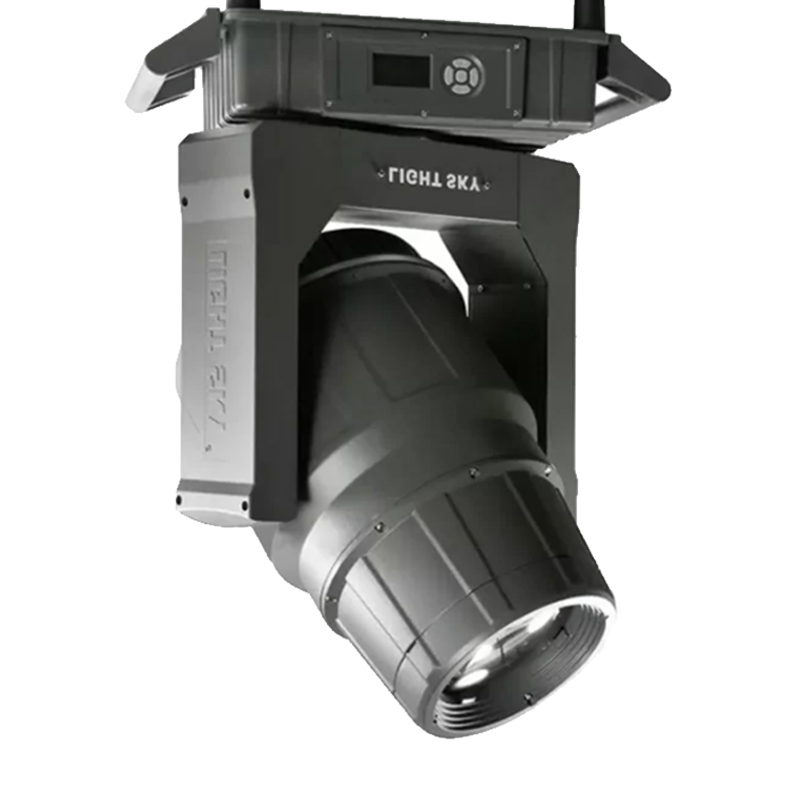
Light Sky offers fixtures and support that fit those priorities, and that matters when you’re counting minutes before curtain. —