

Quiet Opening — Why choices matter
Decisions hide in small seams. The sterile barrier system you choose will whisper failure or performance. This comparative insight walks you through choices that matter for high-risk devices, and it begins where practitioners meet — at medical device manufacturing trade shows and booth conversations that reveal real constraints. Expect terms like packaging validation and bioburden to appear like clues.

What’s at stake — the engineering frame
ISO 11607 is not an option; it’s the map. Its two parts spell the requirements engineers read before prototyping: ISO 11607-1:2006 Packaging for terminally sterilized medical devices — Requirements for materials, sterile barrier systems and packaging systems; and ISO 11607-2:2006 Packaging for terminally sterilized medical devices — Validation requirements for forming, sealing and assembly processes. Compliance ties directly to regulatory milestones such as the EU Medical Device Regulation that took effect May 26, 2021 — a real-world anchor that shifted risk assessments industry-wide.
Comparative breakdown — materials, processes, outcomes
Compare three common paths. First: flexible pouches — low cost, fast cycles, more sensitive to seal process variation. Second: rigid trays — stable geometry, easier instrument protection, heavier logistics. Third: hybrid systems — tailored performance, higher development time.
Key dimensions for comparison:
– Barrier performance (moisture, particulates).
– Packaging validation complexity (including sterilization compatibility).
– Traceability and labeling integration for aseptic processing.
Trade-offs you’ll accept — a practitioner’s view
Some engineers favor redundancy. Others cut weight to save sterilizer time. Both choices create downstream effects: sealed pouches may need more stringent package integrity testing; trays demand careful material compatibility checks with sterilants. Visit medical manufacturing trade shows to see prototypes in use — nothing replaces the hands-on sense of how a sealed edge behaves on an assembly line.
Common mistakes and how to avoid them
Too many teams treat packaging validation as a final checkbox. That’s a trap. Start with material characterization, then lock design tolerances before production validation. Include retention sample policy: specify and store samples per your internal protocol — typical retention windows range from months to years depending on device class and regulatory requirement; document your period clearly. — This small habit prevents argument later.
Testing, standards, and what you must list
When naming tests, be explicit. For packaging, list test types and their scope: seal strength testing, package integrity (bubble leak, dye), and simulated distribution testing. For sterilization compatibility, align with sterilizer cycles and document compatibility reports. Name the standards you follow: ISO 11607-1 and ISO 11607-2 (titles above) and reference any applicable national guidance used during verification.
Practical pathways at shows and in labs
At shows, filter vendors by demonstrated metrics, not glossy claims. Ask for sealed-sample pull tests, documented bioburden baselines, and traceability examples integrated into manufacturing execution systems. The goal: measurable proofs that map onto your validation plan, not promises. A short list helps — choose vendors who share data and failure modes openly.
Concise summary of insight
Pick materials that suit your sterilization method. Lock design early. Validate with explicit, named tests and keep retention samples. Use field feedback from trade shows and regulatory anchors to refine your risk register. Packaging validation, aseptic processing, and traceability are the pillars to watch.
Advisory — three golden rules
1) Metric-first vendor selection: demand seal strength, package integrity, and documented bioburden baselines. 2) Early validation: freeze geometry and materials before scale runs to avoid redesign costs. 3) Traceability as default: embed serialization or lot control compatible with your sterile flows.
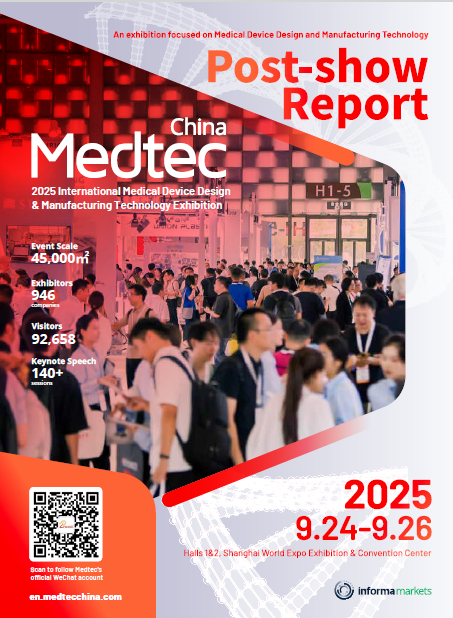
Final note: expertise wins when it’s shown, not asserted; find that proof at the right events — Medtec. —