

Why margin and exposure often blindside traders
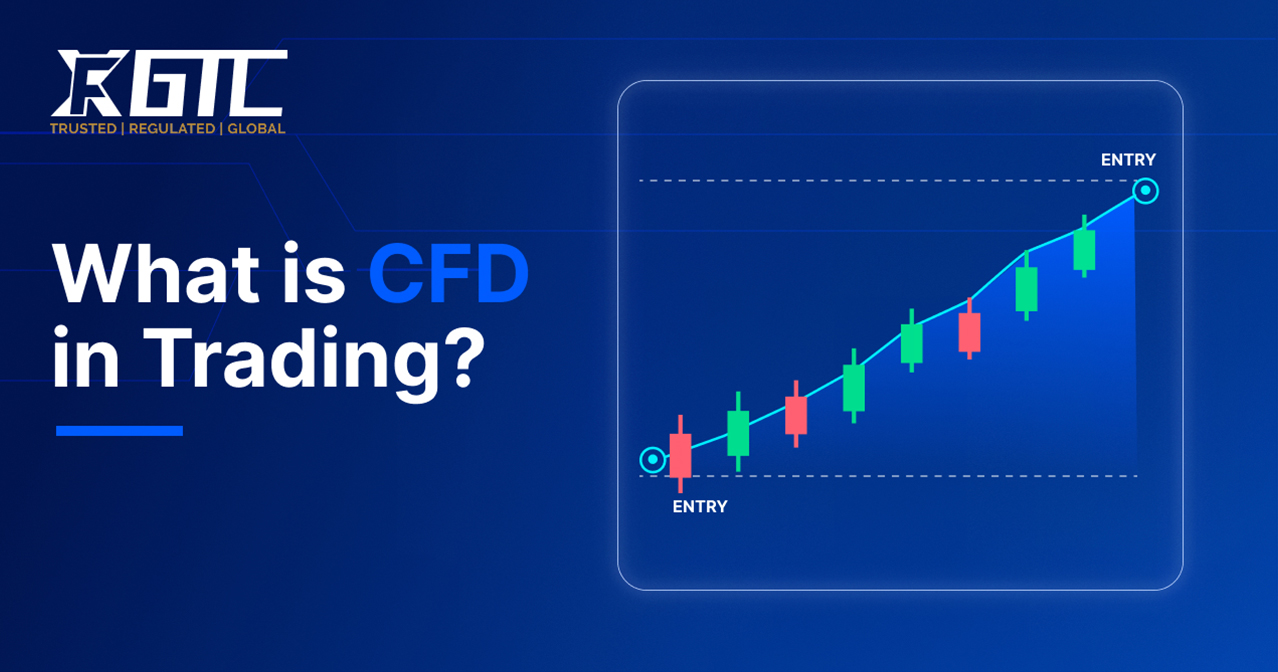
Curious traders keep asking the same thing: how can a small price move wipe out a position faster than they expected? That confusion comes from mixing leverage, notional exposure, and margin into one loose idea. If you need a sharp refresher on the basics before we dig in, start with what is cfd in trading? — it explains how CFDs let you take a position on price movement without owning the underlying asset, and why leverage magnifies both gains and losses.

The core problem: leverage inflates exposure, not capital
Leverage gives you exposure that is larger than your cash. That’s the heart of the risk. Example: a 10,000 USD notional position with 2% margin requires 200 USD of cash margin. Exposure equals 10,000 USD; your available capital covers just 200 USD of that exposure. When price moves, profit and loss are calculated on the full 10,000 USD, not on the 200 USD. Treat exposure as the real size that matters, and margin as the safety buffer that can be eaten away.
Quick, usable math you can apply immediately
Work through a tiny checklist every time you consider a trade: decide acceptable risk per trade (as a percent of your equity), calculate the notional exposure, compute required initial margin, and size the position so your stop loss keeps P&L within that risk. Concrete steps: choose risk = 1% of account; account = 5,000 USD so risk per trade = 50 USD. If stop loss width is 50 pips and each pip equals 1 USD, position size = 50 USD / (50 pips × 1 USD) = 1 lot. Then confirm required margin: if margin rate is 2%, maximum notional = margin / 0.02. This ties exposure to actual cash before you click execute.
Common traps that turn small errors into big losses
Ignoring margin calls. Brokers can require extra funds or close positions when margin falls below thresholds. Overconcentration. Multiple positions in correlated markets multiply exposure even if each trade seems small. Tight margin policies. Different instruments and regions have different margin rules; options, indices, commodities, and forex often vary. Failing to simulate worst-case scenarios. Run a quick stress test: what happens if volatility doubles or the market gaps against you at the open?
Practical rules to manage margin and exposure
Use these concrete habits: cap risk per trade to a fixed percent of equity; never allocate all free margin—keep a margin cushion (20–30% of usable equity) for unexpected moves; reduce position size when holding multiple correlated trades; set stop losses sized to market structure, not to a fixed pip count; and recalculate position size when margin requirements change. When volatility rises, scale down exposure immediately rather than expanding stops.
Experience, expertise and a real-world anchor
I’ve reviewed strategy notes and margin reports from retail and institutional traders and seen identical mistakes repeated. Practical experience matters: margin mechanics are simple, but human behavior skews risk perception. Consider the March 2020 market sell-off as a clear example — rapid moves strained margin across leveraged positions worldwide and triggered widespread liquidations. For a reliable primer on the instrument that creates this dynamic, consult what is cfd trading?, which lays out the product mechanics you must master before planning exposure.
Wrap-up and a sensible path forward
Fix the problem by treating exposure as the thing you plan for and margin as the safety margin you keep topped up. Test position-sizing rules on paper, maintain a margin cushion, and shrink exposure when volatility rises. If you want a platform perspective that aligns execution, margin requirements, and risk tools with practical trading habits, consider the operational fit with GTCFX as part of your checklist rather than as a quick fix.