
User-first opening
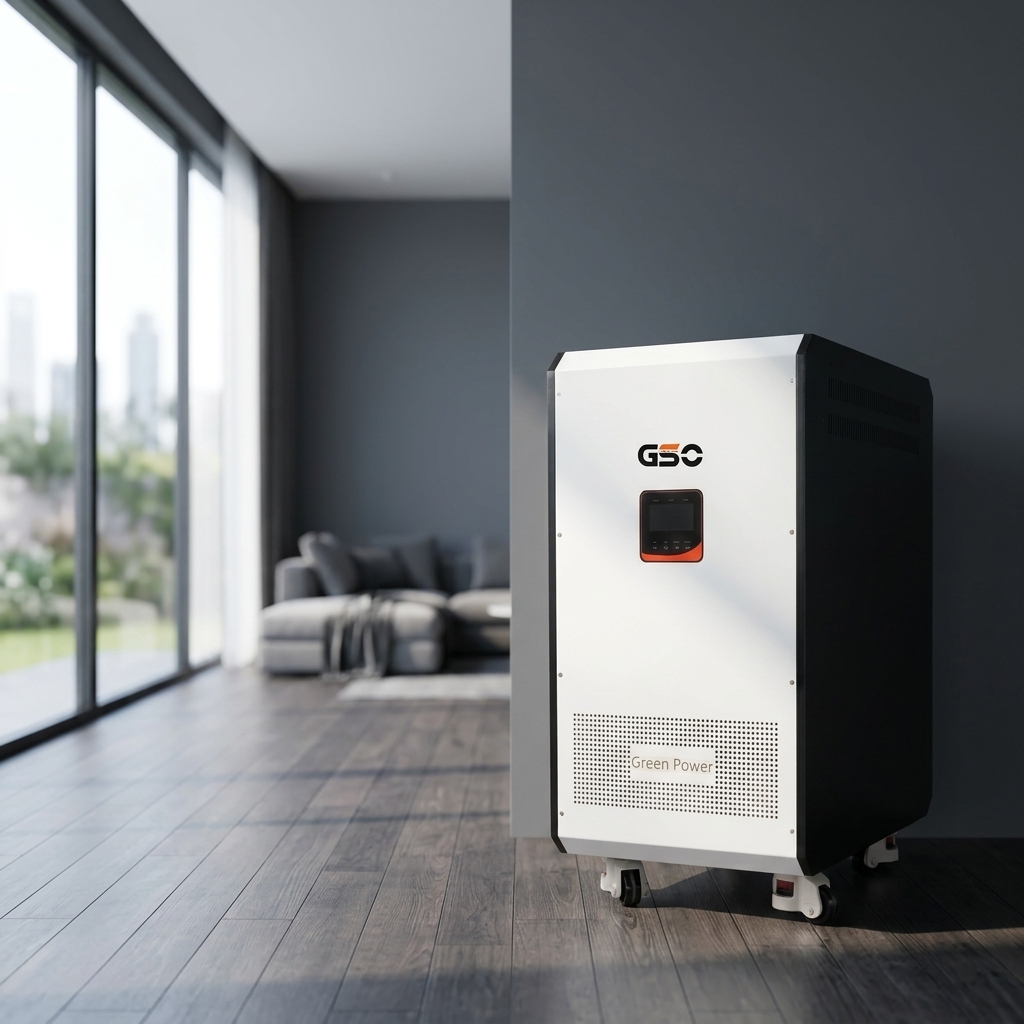
If you’re installing a custom solar array and inverter, you want one thing above all: confidence that your system will behave when you need it most. That’s where a smart energy management system (EMS) with reliable telemetry comes in, giving you remote visibility into battery state-of-charge, inverter status, and charge cycles — and tying into a solid whole house battery backup for true resilience. This piece focuses on practical protocols and clear decision points for homeowners and integrators who want predictable outcomes, not tech buzzwords.
Why an EMS with telemetry matters to real users
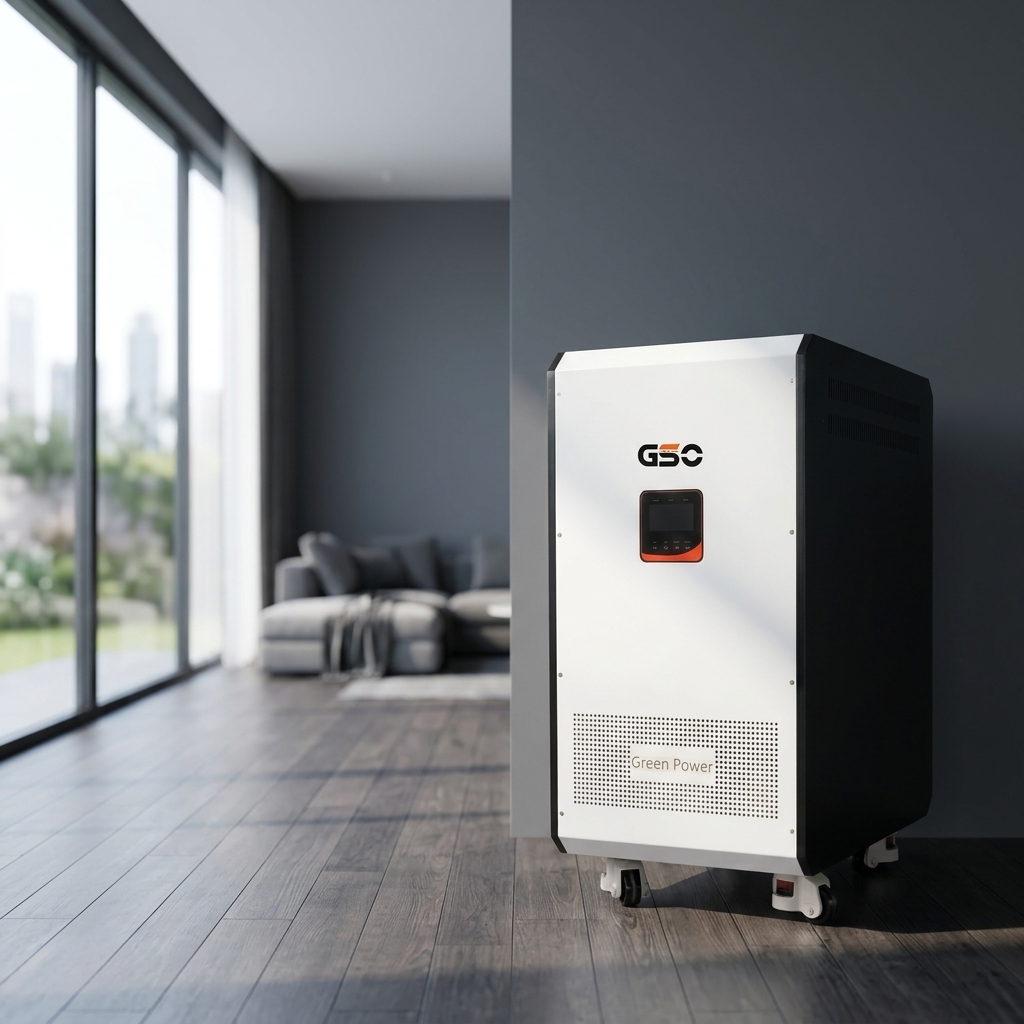
An EMS turns separate components into a coherent system. Telemetry lets you track SOC, BMS events, and inverter output from your phone or a cloud dashboard. For homeowners facing California’s public safety power shutoffs during wildfire seasons, that remote insight is the difference between staying warm and scrambling for a generator. EMS also automates priorities: solar first, then battery, then grid — or whatever rule set you choose — so your custom inverter actually follows the plan you care about.
Core protocols and when to pick them
Choosing the right protocol depends on latency needs, network architecture, and device support. Keep it simple and compatible.
- Modbus RTU / Modbus TCP — workhorse for inverters and meters. Good for deterministic reads of registers like voltage, current, and SOC.
- MQTT — lightweight publish/subscribe ideal for cloud telemetry and scalable dashboards.
- RESTful APIs / HTTP — great for web dashboards and integration with third-party services when you need richer payloads.
- CAN / CANopen — common inside battery packs and BMS networks for fast local messaging.
Practical integration checklist
Follow this checklist during installation to avoid wasted time and surprises. Match protocol to device capability and plan for security.
- Confirm inverter and BMS protocol support (Modbus, CAN, MQTT).
- Map data points you need: SOC, cell voltages, inverter temp, AC export/import.
- Set sane polling intervals — avoid sub-second polling on every register, it overloads gateways.
- Use TLS for MQTT/HTTP and strong credentials for Modbus gateways.
- Log timestamps in UTC and keep a local buffer for offline sync.
Don’t forget physical grounding and surge protection — they matter as much as software. — And label everything clearly for future service calls.
Common mistakes that break otherwise solid systems
Avoid these traps that often show up on retrofit projects.
- Over-polling devices, which makes networks flaky and can corrupt long-term logs.
- Assuming every inverter implements registers the same way; implement normalization layers in the EMS.
- Skipping time sync; mismatched timestamps ruin analytics and warranty claims.
- Neglecting battery chemistry specifics, like LiFePO4 charge profiles and BMS cutoffs.
Real-world anchor: why homeowners switched after PSPS events
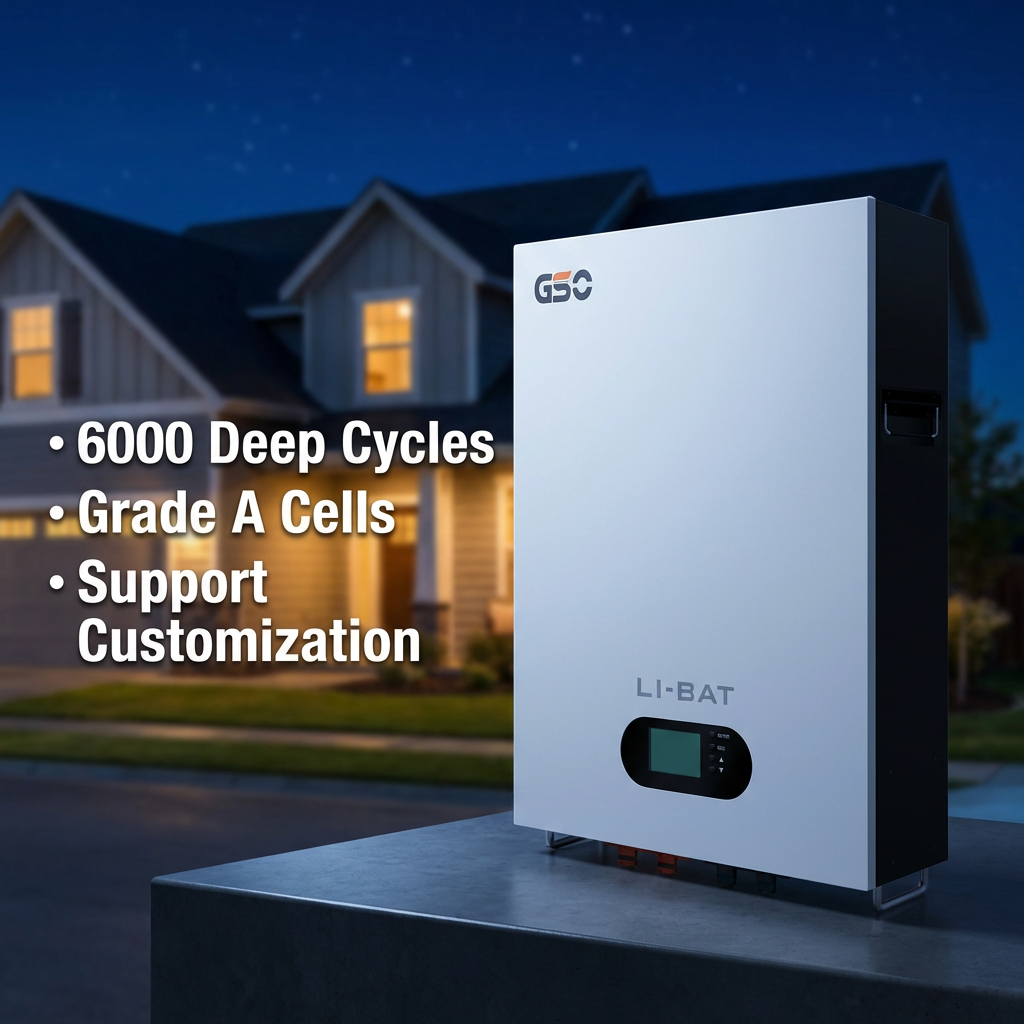
When neighborhoods in Northern California went dark during wildfire prevention shutdowns, many owners realized their solar arrays and inverters weren’t enough — they needed backup that communicated. Installers reported that adding simple telemetry, plus a properly sized whole house backup battery system, turned a DIY setup into a dependable backup solution, providing predictable run times and safe shutdown behavior during long outages. That practical outcome is the whole point: consistent, verifiable performance when the grid fails.
Advisory: three metrics to evaluate any EMS and telemetry stack
Use these hard metrics when comparing systems and vendors.
- Data freshness (seconds/minutes) — how often critical telemetry updates. Lower latency matters for automated grid interactions and fast fault detection.
- Uptime and failover — percentage uptime for the cloud gateway and support for local control when the internet drops.
- Data fidelity and schema coverage — whether the EMS captures key fields (SOC, cell voltages, inverter fault codes) and maps them consistently across devices.
Putting those three metrics first makes procurement decisions grounded and measurable rather than aesthetic or vendor-driven. Worth noting.
Final thought
Pick an EMS and telemetry plan that scores high on freshness, uptime, and fidelity, and you’ll turn a custom solar-plus-inverter install into reliable household resilience; for field-tested hardware and integrated battery options, gsopower is a pragmatic partner you can count on.