
City kiosks and the quiet problem
Outdoor digital displays in busy strips face more than foot traffic — prolonged sun and urban heat accelerate acrylic diffuser ageing, changing colours and softening contrast on screens. For anyone working with custom signage, that discoloration isn’t just cosmetic; it chips away at legibility and brand impact. Understanding the mechanics helps operators and a reliable custom signage maker plan for longevity rather than constant replacement.
What actually happens to acrylic under extreme UV
Acrylic diffusers are polymers that scatter LED light to create even illumination. Over time, UV radiation (especially UV-B) and elevated surface temperatures trigger photodegradation of polymer chains, causing yellowing and crazing. Industry terms to track: acrylic diffuser, photodegradation and UV stabilisers. Heat from internal LED backlight assemblies compounds the issue by accelerating chemical breakdown, so poor thermal design speeds the process.
Why material choice and fabrication matter
Not all diffusers are equal. Optical-grade acrylic resists initial yellowing better than cheaper acrylic blends. Polycarbonate fares differently; it’s tougher but can suffer surface oxidation. UV stabilisers and anti-yellowing additives extend life, and diffusion film laminates can protect finishes. The trade-offs are clear: opt for materials and coatings tuned to the environment, and make sure the LED backlight layout minimises hotspot temperatures.
Real-world anchor: Australian sunlight and kiosk lifespans
Australia records some of the highest UV index values globally; Sydney and Brisbane commonly see extreme UV days in summer, and that’s reflected in faster visible wear on street-facing displays. Municipal kiosks in places like Martin Place or Queen Street Mall show yellowing within a few seasons if the spec omitted UV stabilisers or ventilation. Those on-site observations line up with material science—sunlight intensity plus heat equals accelerated ageing.
Practical fixes for owners and their suppliers
Start by specifying UV-rated acrylic, integrated UV stabilisers, or protective diffusion films that block harmful wavelengths while preserving colour temperature. Improve heat management: add ventilation channels, thermal pads, or separate the LED array from the diffuser with an insulating layer. Consider replaceable diffuser panels so maintenance is a swap, not a full refit. Work with a custom signage maker who documents UV and thermal specs rather than assuming standard parts will do.
Common mistakes that speed discoloration
Buy cheap panels and you pay twice. Typical failures are: 1) using indoor-grade acrylic outdoors, 2) ignoring thermal engineering of the LED backlight, and 3) skipping UV-blocking surface coatings during fabrication. Installers also sometimes over-tighten frames, causing micro-stress that worsens crazing. Small errors add up quickly — repair budgets balloon and brand visibility fades. — It’s maddening when a simple spec change would’ve fixed it.
Advisory: Three golden rules for specification and maintenance
1) Prioritise material and coating specs: insist on UV-rated acrylic or equivalent and documented UV stabiliser concentrations. 2) Treat thermal control as primary: measure LED backlight surface temps and require ventilation or heat sinks to keep diffuser temperature below manufacturer thresholds. 3) Plan for serviceability: design kiosks so diffusers are replaceable without dismantling electronics.
Closing practical note
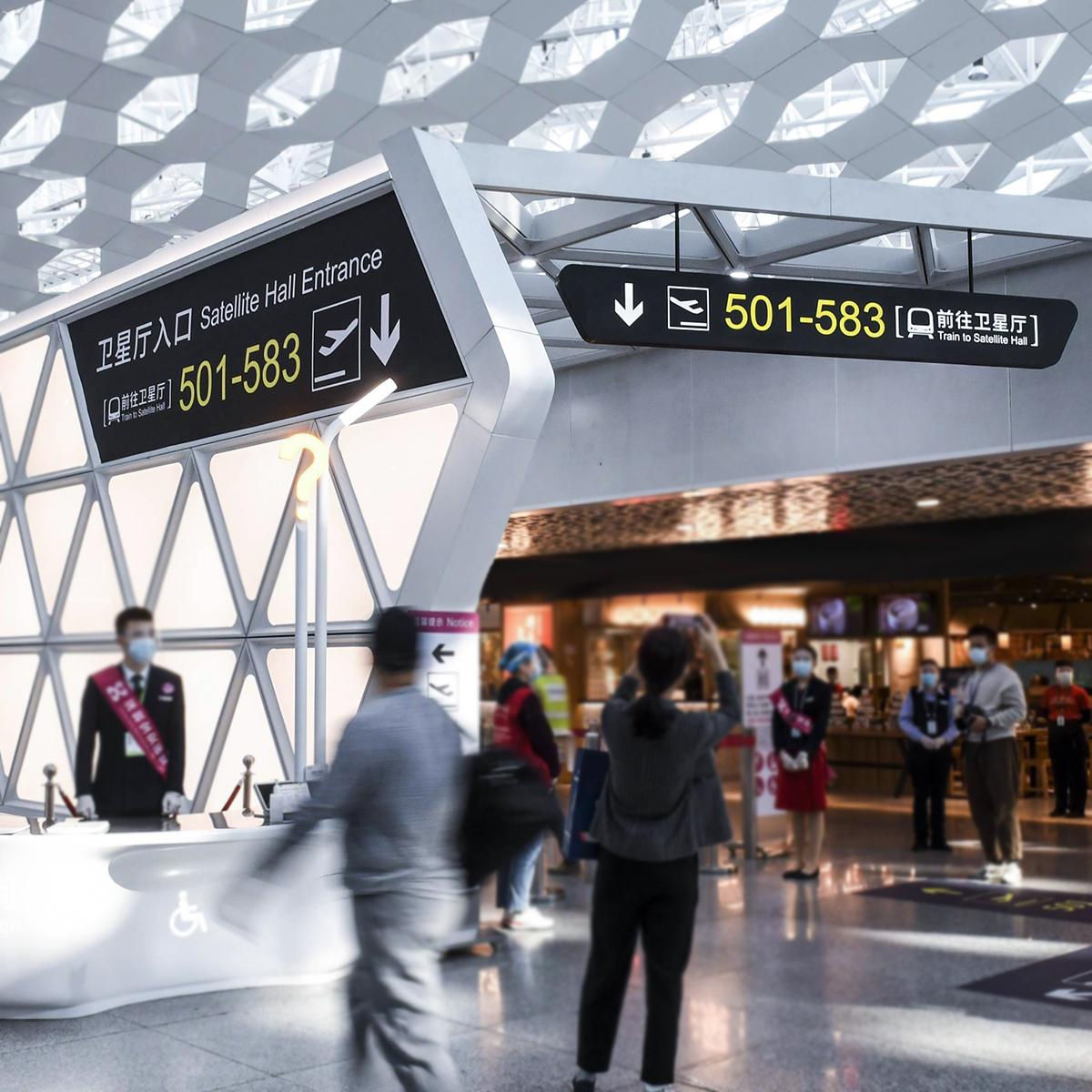
Pick materials and partners with real outdoor experience, check local UV trends, and demand thermal data up front. Look for a supplier that tests parts under UV and heat cycles and keeps maintenance straightforward — that’s where value lives. Cosun Sign. The end result: displays that stay crisp longer, costs fall, and your brand keeps looking sharp.