
Introduction — a moment in a high-risk job
What happens when a tiny spark turns a routine task into an emergency? Picture a maintenance crew on an Edinburgh petrochemical platform, hands steady, tools ready — and the air thick with vapour. Recent industry figures show that contact-ignition incidents still account for a troubling share of site events (roughly 12–15% in some sectors) — so I ask: can better tools blunt that risk?
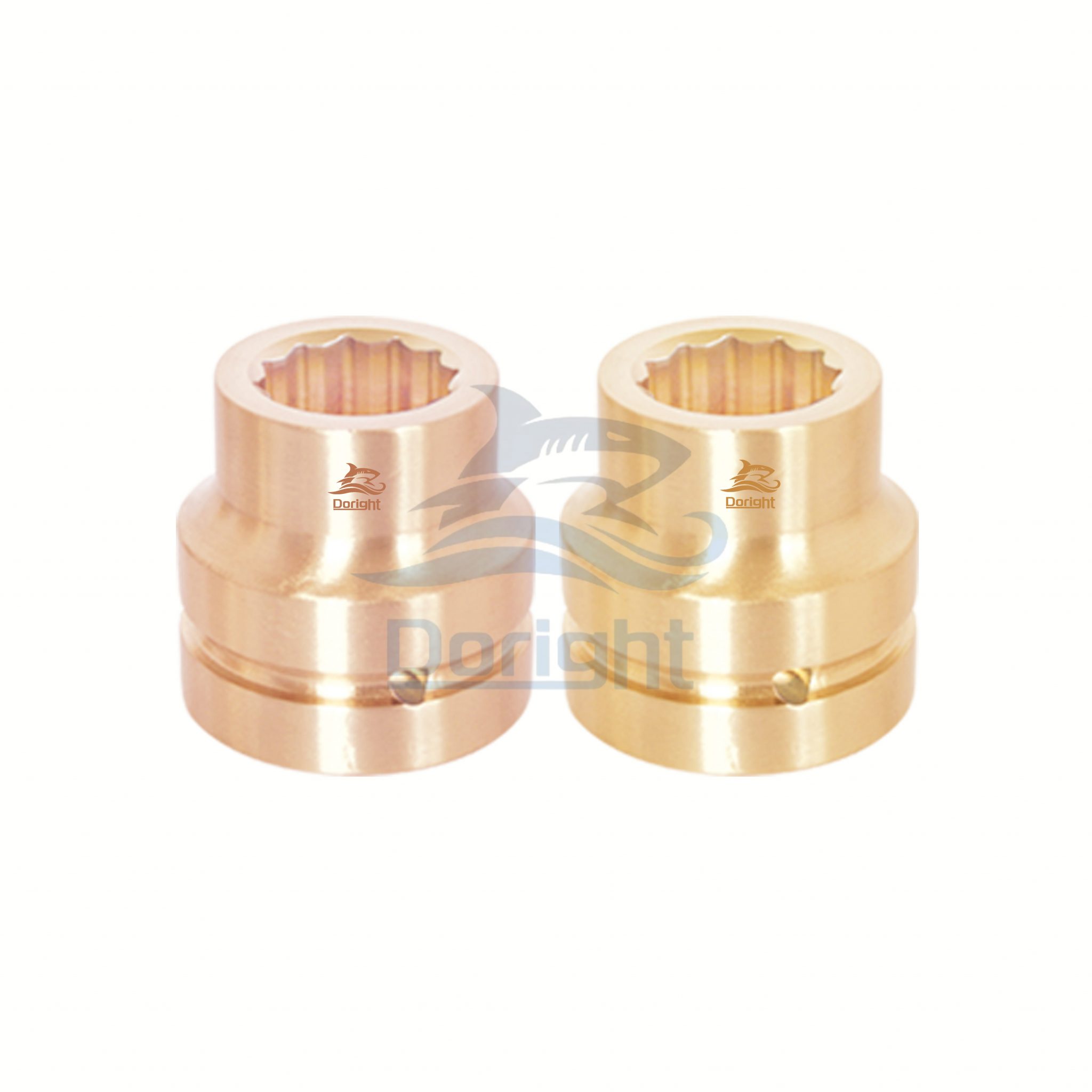
Here we talk about non sparking sockets and why they matter to teams that work near flammable atmospheres. I’ve seen the relief on an engineer’s face when a safer tool does its job; I’ve also seen the stress when a socket fractures or slips. The scene is real. The numbers are worrying. What changes help avoid both the near-miss and the headline?
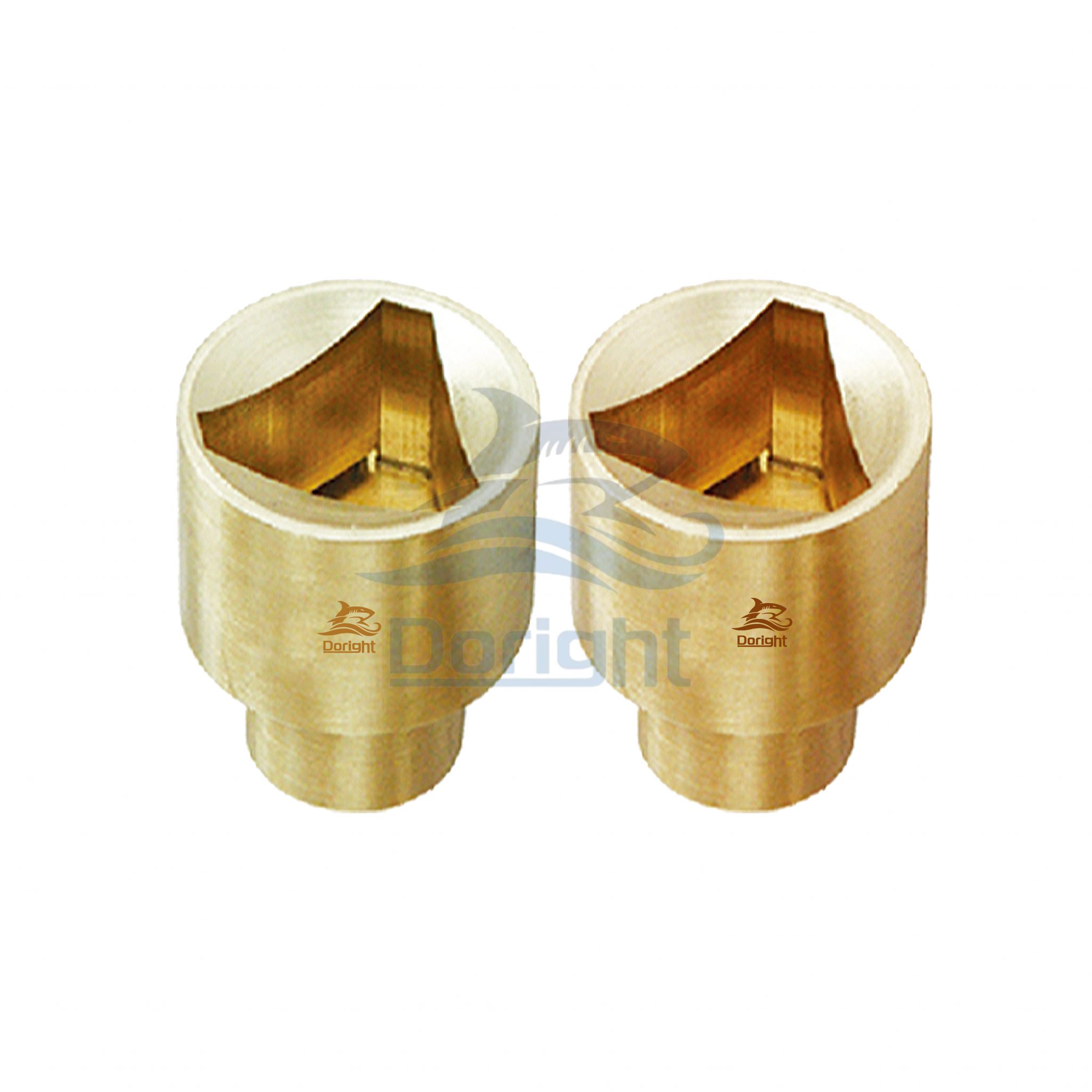
We’ll start by looking at where the usual answers fall short — and then move toward practical, forward-looking options. Mind you, this isn’t cheerleading for novelty; it’s about safer, smarter choices that actually help people on the ground.
The Deeper Problem: Why many “non spark socket” fixes don’t hold up (Technical view)
Why do they fail?
non spark socket is often the term written on procurement lists. But I’ve learned that name alone hides a lot. Manufacturers will tout brass or bronze alloys, yet alloy composition varies. Some blends trade toughness for softness — fine for light work, poor where torque and impact meet. Then there’s torque calibration: sockets that deform under load lose grip, slip, and create heat. That’s not theory — it’s what I’ve seen after hours on maintenance runs.
Look, it’s simpler than you think: a part that flexes under force can produce friction and tiny sparks. Add poor edge finishing or burrs, and you have a persistent ignition hazard. Add to that the common practice of mixing tool sets across crews and suddenly an “intrinsically safe” claim looks thin. I also find that explosion-proof enclosures and grounding straps get attention — but the actual interface, the socket head, is often the weakest link. In short: material science, finishing, and real-world torque conditions matter far more than a label.
What’s Next — Future outlook and practical measures
How new practice and design can help
We need two moves at once: better product design and smarter selection criteria. Advances in alloy treatments, refined machining, and controlled torque testing help a lot. I’ve seen prototypes of non-sparking socket heads that use graded alloys and tighter tolerances to resist deformation. That matters because when a head stays true, you get less slippage and less heat. Also — and this is important — anti-static coatings and better surface finishes reduce micro-arcing during repeated use.
Adopting these improvements isn’t just technical theatre. It changes daily outcomes for crews. When I advise clients now, I push for field trials under normal site stressors — not just lab bench tests. Try them in damp weather. Try them after a day’s wear. That feedback loop drives better design. And yes, budgets matter; but over a season the reduced downtime and fewer incidents usually justify the spend — funny how that works, right?
For those choosing solutions, I recommend three clear evaluation metrics: 1) Material integrity under load — check torque calibration and deformation limits; 2) Surface and edge quality — look for anti-static finishes and smooth radii; 3) Real-world durability — insist on field test reports, not only lab numbers. Use these metrics as your checklist when you compare suppliers and designs.
We owe it to crews to pick tools that behave predictably. I’ve worked with teams who swapped to better heads and saw fewer slips, fewer hot spots, and calmer shifts. It’s practical. It’s humane. If you want a reliable source for thoughtfully engineered options, have a look at Doright.