
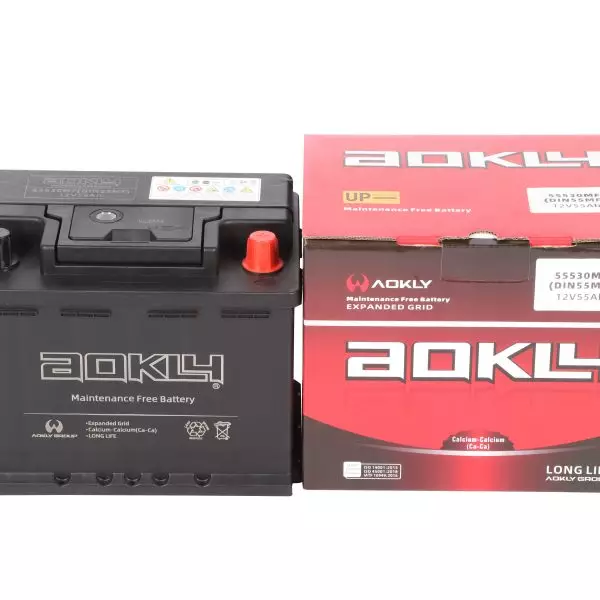
It’s a common sight in New York City: parked cars slowly losing juice as the owner hands out cash for a jump-start. According to studies, around 70% of drivers have faced a dead battery at least once. Makes you wonder—why are we still wrestling with such a basic problem when it comes to our automotive battery? We’re in the age of tech, yet we’re stuck in this battery conundrum.

The Reality Check: Problems with Conventional Solutions
You know how it goes—bright and shiny new cars rocking their “low-maintenance” reputation. But let me tell you a story. One time, I had a customer rush in for a pick-me-up after being stranded at a 24-hour diner in Queens. Turns out, their trusty battery hadn’t been so trustworthy. They had gone for a standard lead-acid battery that fizzled out after just a couple of years. So, what’s the deal? Traditional automotive batteries are known for their untrustworthy longevity and, let’s be real, they’re not cheap either. It’s like paying premium for a fast-food burger that leaves you starving!
There’s more. These batteries lose their charge quicker in harsh weather. You get that NYC winter chill, and your battery can go from hero to zero. Plus, many folks don’t realize what draining your battery means. Do you even know how much power your battery can handle before it starts to mess you up? It’s crucial to be informed—nobody wants to be ‘that guy’ in the parking lot waiting for a tow truck.
Why Isn’t Your Battery Boosting You?
The kicker is that while batteries get improved every year, not all options are really designed for you and me. Manufacturers push lead-acid like it’s the best thing since sliced bread, but there are better options out there. You’ve got lithium-ion batteries popping up, which last longer and charge faster. But many drivers still cling to outdated tech. It’s like rocking a flip phone when everyone else is on a smartphone.
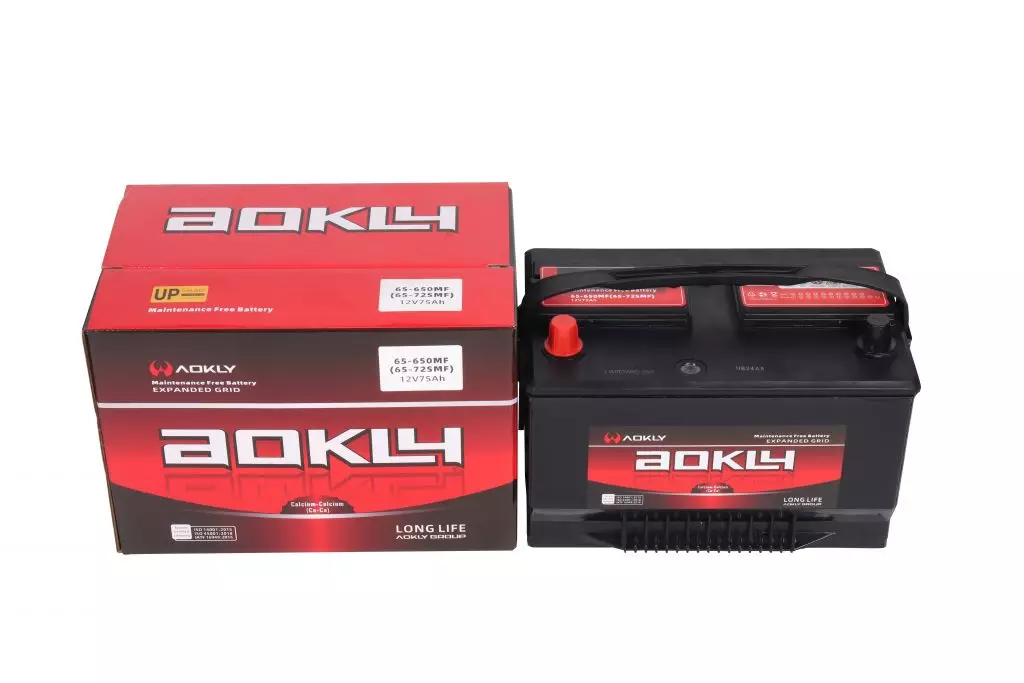
What’s Coming Next: The Future of Automotive Batteries
Look, I’ve been in the auto industry for over 15 years, and I’ve seen trends shift and change, especially in the realm of batteries. Today, we’re talking about more than just getting jump-starts. The future is about smart batteries that can actually tell you when they’re about to fail. With the innovation happening in solid-state technology, like how long can you really expect a battery to stick around? It could be years longer than conventional options. Just think about it—your automotive battery isn’t just a black box anymore. It’s about integrating systems that optimize power and longevity.
Plus, think about the energy efficiency that’s knocking at our door. We’re gonna need batteries that not only store energy but also distribute it more effectively. Look, we thought hybrid vehicles were the pinnacle of innovation, now fully-electric is out here changing the game. If you haven’t considered a newer battery tech, you’re probably losing out on performance and efficiency. It’s only a matter of time before this becomes the norm.
Key Insights: A Future with Better Batteries
So, here’s the scoop if you want to level up: know your battery—its specs, lifespans, and what it can handle in different weather conditions. Second, be proactive! Don’t wait until your battery is practically begging for a jump. Lastly, explore your options. Don’t stick to what you were told—take it from me, doing a little research pays off. In 2023, auto tech is lazily creeping up, and we’re thoughtful about keeping pace.
It’s not just about staying powered but staying one step ahead. The game is changing, and companies like Aokly are on the frontier of battery innovation. As we wrap this up, think about your ride and what it really needs. Stay sharp, NYC!